
Pruning
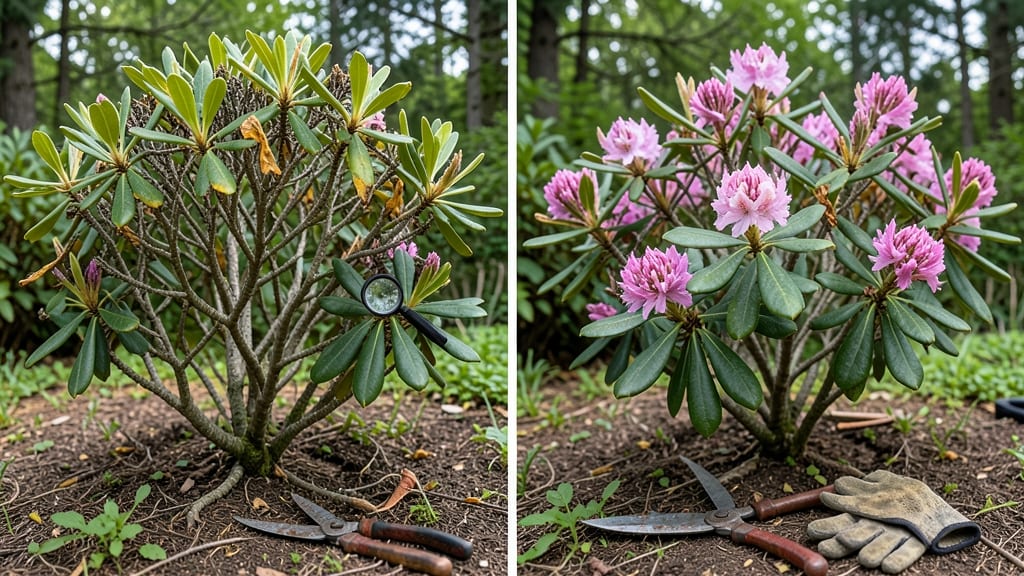
Pruning rhododendrons the wrong way can turn your 🌸 blooming shrubs into stunted, flowerless shadows — and most gardeners accidentally make these mistakes every year.
You might think a little trim after winter will keep your rhododendron looking neat, but cutting at the wrong time or in the wrong place actually weakens the plant, reduces next year’s blooms, and can even invite disease.
The key is timing: prune too early, and you sacrifice flowers; prune too late, and you stress the plant before winter.
In this guide, I’ll walk you through the five most destructive pruning mistakes and how to fix them — so your rhododendron stays healthy, lush, and bursting with color for years to come.
Whether you’re a first-time pruner or just want to avoid costly errors, these steps will help you revive weak growth and keep your shrubs thriving in USDA Zone 6 and beyond.
5 Deadly rhododendron pruning mistakes that stunt growth
Rhododendrons are stunning shrubs that reward gardeners with vibrant spring blooms and lush foliage—but only if pruned correctly. I’ve seen over-pruned rhododendrons struggle to recover, their growth stunted and flowers sparse.
The key is understanding what not to do when your pruners are in hand. These 5 deadly mistakes can turn a healthy rhododendron into a shadow of its former self.
Many gardeners make well-intentioned cuts that actually damage the plant’s health. For example, cutting back old wood removes next year’s flower buds, while pruning at the wrong time stresses the plant.
Even over-pruning can lead to dieback and weak stems. Let’s break down these mistakes—and how to avoid them—so your rhododendron thrives for years.
⚠️ Here’s what you MUST avoid when pruning rhododendrons:
Cuts made during dormancy stimulate new growth that can’t survive cold. Always wait until after flowering (late spring or early summer).
Rhododendrons flower on old wood. Removing more than 1/3 of the plant at once eliminates next year’s blooms and weakens structure.
Ragged cuts tear plant tissue, inviting disease. Always use sharp, sterilized tools and make clean cuts just above a leaf node.
Shearing rhododendrons into geometric shapes stresses the plant. Instead, focus on selective pruning to open the center and improve airflow.
If stems turn brown or mushy, it’s often root rot or disease. Prune only healthy green wood—never dead or diseased branches.
Let’s dive deeper into why these mistakes are so harmful. Pruning at the wrong time, like in late fall, forces the plant to grow new shoots that won’t survive winter.
This wastes energy and leaves your rhododendron vulnerable to frost damage. I’ve seen gardeners cut back their plants in December, only to watch them struggle to recover in spring.
Cutting into old wood is another silent killer. Rhododendrons produce flower buds on last year’s growth, so removing too much means fewer blooms next season. Even a single aggressive cut can reduce flowering by 50% or more.
If your rhododendron isn’t blooming as much as it used to, this might be the culprit.
Using dull pruners might seem like a minor issue, but it leads to jagged cuts that expose the plant to infections. Always sterilize your tools with rubbing alcohol before pruning. I keep a small bottle in my gardening toolbox—it takes 30 seconds and prevents diseases like powdery mildew from spreading.
Many gardeners fall into the trap of over-pruning for aesthetics. Shearing rhododendrons into perfect shapes might look tidy, but it weakens the plant’s structure and reduces its ability to photosynthesize. Instead, focus on removing only dead or crossing branches to keep the plant healthy and full.
Finally, ignoring dieback can turn a minor issue into a full-blown problem. If you see mushy or discolored stems, it’s a sign of disease or rot.
Pruning these areas too late can spread the problem throughout the plant. Always cut back to healthy green wood and dispose of diseased branches immediately.
Now that you know what not to do, the next step is learning the correct pruning techniques. The right timing, tools, and cuts will keep your rhododendron blooming beautifully for decades. Stay tuned for my next section on proper pruning methods—it’s where the magic happens! 🌸
When and how to prune rhododendrons correctly
Pruning your rhododendron at the right time and with the proper technique can transform your plant from a weak, sparse shrub into a lush, flowering beauty. Timing is everything—cut too early, and you risk losing next year’s spring blooms.
Cut too late, and you might encourage dieback or weak growth. The secret lies in patience and precision.
I’ve pruned rhododendrons for years, and the best time to prune is always after flowering, typically in late spring or early summer. This gives your plant time to develop next year’s flower buds while allowing you to shape the shrub without sacrificing its natural beauty.
Avoid pruning in fall or winter, as this can stress the plant before dormancy.
Before you grab your shears, gather the right pruning tools. A sharp bypass pruner is ideal for clean cuts, while sterilized pruning shears prevent disease spread.
Never use dull tools—they crush stems, inviting pests and infections. I also recommend having rubbing alcohol and pruning sealant on hand for larger cuts.
✂️ Rhododendron Pruning Mistakes to Avoid
- 1. Pruning Before Blooming – Cutting in late winter or early spring removes next year’s flower buds, which form on old wood. Wait until after blooms fade.
- 2. Over-Pruning – Removing more than 1/3 of the plant at once stresses the rhododendron. Stick to light shaping—never drastic cuts.
- 3. Using Dull Shears – Jagged cuts slow healing and invite disease. Always use sharp, clean tools for smooth incisions.
- 4. Cutting at the Wrong Angle – Avoid flat cuts that leave stubs. Make 45-degree angles just above a leaf node for proper regrowth.
- 5. Pruning in Fall or Winter – Late cuts expose fresh growth to frost damage and winter dieback. Always prune after flowering.
Now that you know what not to do, let’s focus on the correct pruning technique. Start by removing any dead, diseased, or crossing branches first. These are easy to spot—they’re brown, brittle, or growing inward.
Next, shape the shrub by trimming overly long branches back to a leaf node or bud.
When making cuts, always aim for a 45-degree angle just above a leaf node. This encourages new growth in the right direction. Avoid cutting into old wood (woody stems without leaves), as this won’t produce flowers.
For larger branches, use a pruning saw and seal the cut with pruning sealant to prevent moisture loss.
After pruning, give your rhododendron some extra care to help it recover. Water deeply to reduce stress, and apply a layer of mulch around the base to retain moisture. Avoid fertilizing immediately—wait until early fall to encourage root growth for next year’s blooms.
With proper timing and technique, your rhododendron will reward you with vibrant flowers for years to come.