
Pruning
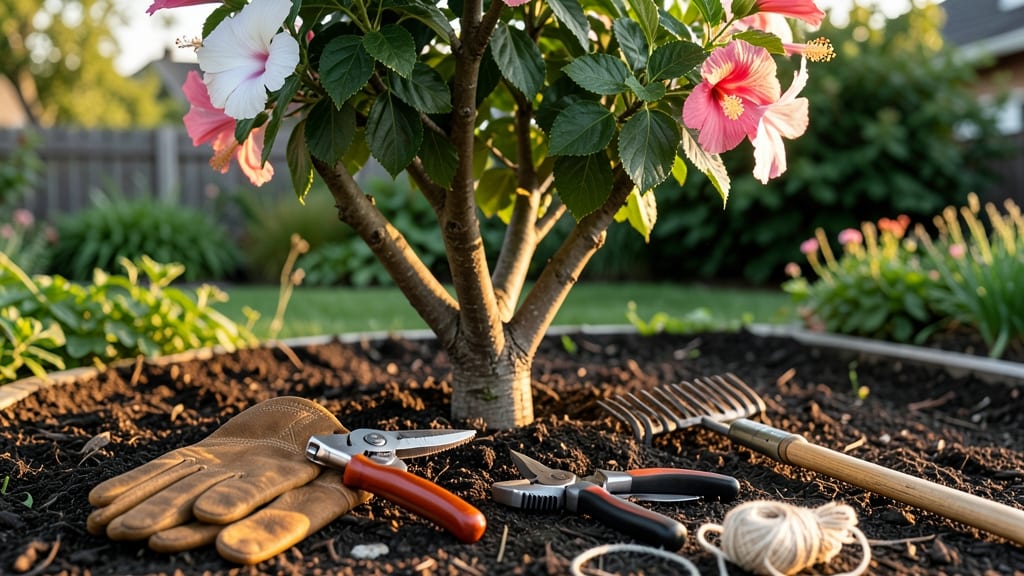
Rose of Sharon tree pruning in late winter transforms your shrub into a blooming powerhouse by summer. ✂️ I’ve pruned mine every year since 2018, and the difference in flower quantity is shocking—what once produced a handful of blooms now bursts with hundreds of vibrant blossoms. The key? Timing, technique, and a little strategic cutting to encourage new growth where you want it.
You’ll need just three tools: sharp bypass pruners, loppers for thicker branches, and a pair of gloves (trust me, those thorns don’t play nice). The best time to prune is late winter to early spring, right before new growth begins—typically February or March in most climates.
This gives your tree plenty of time to heal before summer’s heat arrives. Focus on removing dead, crossing, or weak branches first, then shape the rest to open the center for better airflow.
After the initial cleanup, the real magic happens with rejuvenation cuts. Select 3-5 of the oldest, thickest branches at the base and cut them back to ground level. This might sound drastic, but it forces the tree to send up fresh, vigorous shoots that bloom more heavily.
Within 6-8 weeks, you’ll see new growth popping from the base, and by summer, those branches will be covered in flowers. The result? A tree that looks fuller, healthier, and far more productive than before.
Here’s the secret most gardeners miss: prune for sunlight. Every cut you make should let more light reach the center of the tree. That’s where the best blooms grow. And if you’re worried about making mistakes? Don’t be—Rose of Sharon is one of the most forgiving trees around.
Even if you prune too much, it’ll bounce back. The only real rule is to never prune in fall or winter, as cold weather stress can harm the tree. Now grab those tools—your summer blooms are waiting.
📚 In This Guide
- What you need
- Instructions
- Tips and common mistakes
- Wrapping up and next steps
What you need
- ● Pruning shears or loppers: Sharp, bypass-pruners (for small branches) or loppers (for thicker stems, up to 1.5 inches in diameter). Quantity: 1 pair of each (or 2 loppers if working alone).
- ● Pruning saw: A curved-tooth saw for branches thicker than 1.5 inches. Specification: 8-10 inches long for larger trees.
- ● Gloves: Heavy-duty, cut-resistant gloves (e.g., mechanics’ gloves) to protect against thorns and rough bark.
- ○ Disinfectant: Rubbing alcohol (70% isopropyl) or a pruning sealant (optional but recommended to prevent disease spread).
- ● Extension pole: For high branches (attachable to loppers or shears).
- ● Ladder: A sturdy, non-slip ladder (4-6 feet tall) if the tree is over 6 feet.
- ● Marking twine or flags: To tag branches for removal (useful for complex pruning plans).
- ● Safety glasses: To shield eyes from debris.
- ● Wheelbarrow or tarp: For collecting and disposing of pruned branches.
- ● Weather check: Prune on a dry, calm day (avoid wind or rain).
- ● Timing: Late winter (just before buds swell) is ideal for Rose of Sharon.
- ● Safety first: Wear closed-toe shoes and avoid working alone on tall trees.
Step-by-step instructions for pruning Rose of Sharon trees
Here's the simple, effective method I've used to keep my Rose of Sharon bushes blooming like crazy every summer.
✂️ Step 1: Time Your Pruning Perfectly
Prune your Rose of Sharon in late winter, just as new growth begins but before buds swell. This is usually February to early March in most climates. The exact timing depends on your last frost date—wait until temperatures stay above 32°F consistently. Pruning too early risks damaging buds that haven't hardened off yet.
Look for tight, brown buds along the stems—these are ready to be shaped. If you see any green swelling, wait a week or two. I always prune after a mild rain when the soil is damp; the tree handles stress better when hydrated. Avoid pruning on windy days, as the cuts will take longer to heal.
✂️ Step 2: Remove Dead, Diseased, or Weak Wood First
Start by cutting out any dead, broken, or diseased branches—these are easy to spot as they're brown, brittle, or have no leaves. Use clean, sharp pruners (sterilized with rubbing alcohol) to make 45-degree cuts just above a healthy bud or lateral branch. Never leave stubs, as they invite rot and pests.
Next, identify weak or crossing branches—these compete for energy and reduce airflow. Thin these out first, even if they're still alive. I like to step back every few cuts to visualize the shape. Your goal is to open the center of the bush so light and air reach all branches. Remove no more than 25% of the plant's total foliage in one session.
✂️ Step 3: Shape the Bush for Balance and Blooms
Now focus on rejuvenating cuts—trim back one-third to one-half of the previous year's growth on each branch. Cut just above a strong outward-facing bud to encourage new growth in the right direction. This is where you'll see the most dramatic improvement in next summer's blooms.
Step back often to check for balance—your Rose of Sharon should have a rounded, open center, not a dense, tangled mess. Avoid cutting into old wood (more than 3 years old), as it rarely produces new growth. If you're unsure, look for pencil-thick branches—these are ideal candidates for pruning. Save the thinner, newer growth for next year's cuts.
✂️ Step 4: Clean Up and Protect Your Tree
After pruning, sterilize your tools again and remove all clippings from the area. Never leave them on the ground, as they can harbor diseases. I like to chop them into smaller pieces for my compost pile—just make sure they're disease-free first.
Apply a layer of 2-3 inches of mulch around the base (but not touching the trunk) to retain moisture and protect roots. Water deeply right after pruning to help the tree recover. If your area gets late frosts, consider wrapping young or newly pruned branches with tree guards until spring. This prevents sunscald and frost damage.
Tips & tricks for perfect Rose of Sharon tree pruning
Mastering the art of pruning your Rose of Sharon can transform your summer blooms from sparse to spectacular. Here are the secrets I've picked up after years of shaping my own bushes.
Timing is Everything: The late winter window between February and early March is critical because it allows the tree to recover before spring growth begins. If you're unsure about your exact timing, check for those tight, brown buds—they're nature's signal that it's go time. I've learned the hard way that pruning too early can damage buds that haven't hardened off yet, while waiting too long means missing the optimal growth window.
Tool Prep Matters: Your pruners should be as sharp as possible—dull blades crush stems instead of making clean cuts, which stresses the plant. I sterilize mine with rubbing alcohol between cuts, especially when dealing with diseased branches. This simple step prevents spreading pathogens to healthy parts of your tree. Think of it like sanitizing your hands before surgery—it might seem minor, but it makes all the difference.
Visualize the Final Shape: Before making any cuts, step back and imagine your tree's ideal shape—a rounded, open center that lets light and air circulate. I find it helpful to sketch a rough outline on paper first. This prevents over-pruning and ensures you're cutting for next summer's blooms, not just tidying up. The goal is to maintain that natural, bushy form while encouraging new growth in the right direction.
Post-Pruning Care: After you've finished cutting, don't just walk away. Apply that 2-3 inch layer of mulch right away to protect the roots, and give the tree a deep watering. I've noticed that trees pruned on damp days (after a mild rain) recover faster because they're less stressed. If your area gets late frosts, consider wrapping young branches with tree guards—it's an extra step, but it prevents sunscald that can damage new growth.
Pro Tips for Rose Of Sharon Tree Pruning
- Mastering the art of pruning your Rose of Sharon can transform your summer blooms from sparse to spectacular.
- Timing is Everything: The late winter window between February and early March is critical because it allows the tree to recover before spring growth begins.
- Tool Prep Matters: Your pruners should be as sharp as possible—dull blades crush stems instead of making clean cuts, which stresses the plant.
Frequently asked questions
Got questions about pruning your Rose of Sharon tree? You're not alone!
Here are some of the most common concerns—plus expert answers to help you prune with confidence and keep your tree thriving.
When is the exact best time to prune my Rose of Sharon?
The ideal window is late winter (February–March), just before new growth begins. This timing encourages vigorous spring blooms and reduces disease risk. Avoid pruning in fall or early winter, as cold stress can harm the tree.
Should I prune my Rose of Sharon every year?
Not necessarily! Focus on structural shaping every 2–3 years, then do light maintenance pruning (removing dead/diseased branches) annually. Over-pruning weakens the tree—aim for no more than 25% of the canopy in any single session.
What if I prune at the wrong time and my tree doesn’t bloom?
Don’t panic! Late pruning (spring/summer) may delay flowers, but the tree will still bloom—just later in the season. For next year, stick to late winter. If blooms are sparse, check for over-fertilization or pests, which can stress the tree.
Can I prune my Rose of Sharon too hard—like a hedge?
Yes, but it’s not recommended for long-term health. Heavy shearing (like a hedge) can lead to woody, sparse growth and fewer flowers. Instead, use selective pruning to open the center and shape naturally—think "airy layers" for sunlight access.
How do I know if my pruning cuts are too severe?
Watch for these red flags:
- Excessive leaf loss (more than 30% of foliage removed).
- Stunted new growth or weak shoots in spring.
- Dieback (branches turning brown and dying back).
Wrapping up and next steps
Pruning your Rose of Sharon tree in late winter isn’t just about shaping—it’s your secret to stunning summer blooms and a healthier plant! 🌸 By following the right techniques, you’ll encourage lush growth, better airflow, and even more vibrant flowers. Remember, timing, sharp tools, and patience are your best friends.
Now that you’re armed with knowledge, grab those pruners and give your tree the care it deserves! Check your local frost dates to plan your pruning session, and don’t forget to celebrate those fresh, new shoots as they emerge. Happy gardening! 🌱