
Pruning
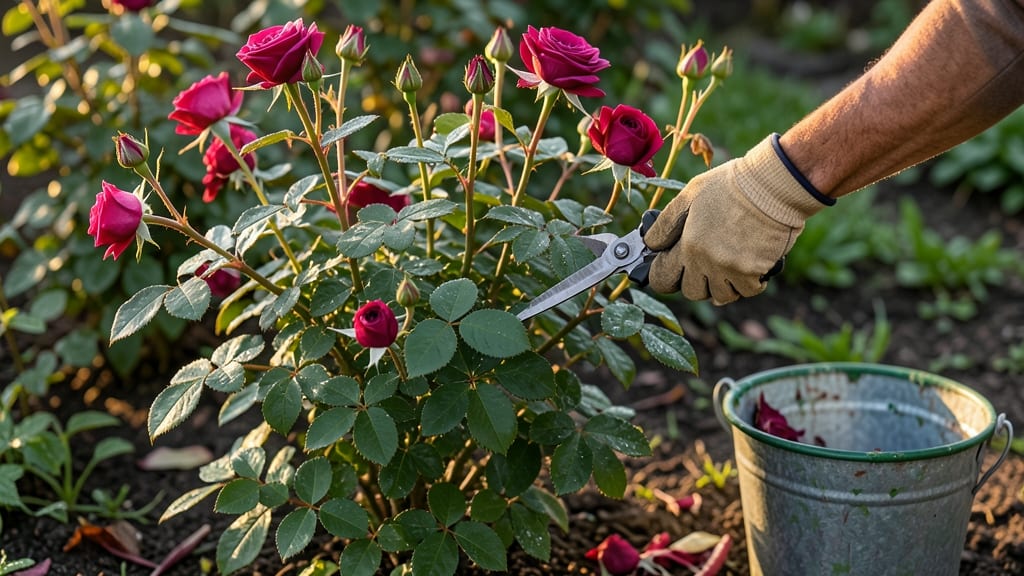
Rose plant pruning isn't just about cutting back—it's the secret to stronger canes and nonstop blooms all season. ✂️ I’ve pruned roses for over a decade, and the difference between a bush that barely flowers and one covered in blooms comes down to a few key cuts made at the right time. The best part? You don’t need a green thumb—just sharp tools, a clear head, and a little patience.
Most people wait until spring, but year-round pruning keeps roses healthy, shapes them properly, and prevents disease. Start with the right tools—a pair of bypass pruners, a loppers for thicker stems, and disinfectant to clean cuts.
Then, focus on removing dead wood, crossing branches, and thinning out crowded canes to improve airflow. The goal? Encourage new growth where you want it, not just anywhere.
After pruning, your roses will reward you with bold new shoots within weeks and longer-lasting blooms all season. The key is making clean cuts just above an outward-facing bud, about ¼ inch above it.
This simple technique ensures the plant grows outward, not inward, creating a fuller, more balanced shape. Plus, you’ll cut back on pests and diseases hiding in thick foliage.
Whether you’re dealing with climbing roses, shrub roses, or hybrid teas, the same principles apply—just adjust the timing and intensity. For example, climbers need less aggressive pruning, while shrub roses thrive with a harder cut back. Let’s get those canes looking like champions!
📚 In This Guide
- What you need
- Instructions
- Tips and common mistakes
- Wrapping up and next steps
What you need
- ● Bypass pruners: Sharp, high-quality pruners (e.g., Felco or Corona) for clean cuts on smaller canes (¼"–¾" thick). Invest in a good pair—dull blades crush stems, stressing the plant!
- ● Loppers: For medium-sized canes (¾"–2" thick). Look for 8"–12" handles with bypass blades for precision.
- ● Pruning saw: A curved-tooth saw (like a Felco F-2) for thick, woody canes (2"+). Avoid serrated blades—they tear bark.
- ● Gloves: Heavy-duty, cut-resistant gloves (e.g., Mechanix or rose-specific) to protect from thorns and scrapes.
- ● Disinfectant: Rubbing alcohol (70%+) or a pruning sealant (e.g., Tanglefoot Tree Wound Pruning Sealer) to sterilize tools between cuts and prevent disease spread.
- ● Hand pruners: Compact, ergonomic pruners for delicate trimming (e.g., deadheading or shaping small blooms).
- ● Pole pruners: Extendable loppers (10–15 ft) for tall climbers or hard-to-reach roses.
- ● Rake or broom: To clear fallen leaves/debris after pruning and reduce pests.
- ● Marking spray: Non-toxic paint (e.g., white or pink) to tag canes for future reference (e.g., "keep" vs. "remove").
- ● Compost bin: For collecting pruned canes to recycle into nutrient-rich compost.
- ● Research your rose type: Know if your roses are hybrid teas, floribundas, climbers, or shrub roses—pruning techniques vary!
- ● Check the weather: Prune on a dry, overcast day (or early morning) to minimize stress on the plant.
- ● Gather a bucket: A 5-gallon bucket with water to dip pruners in between cuts (keeps blades sharp and clean).
- ● Wear long sleeves/pants: Roses are thorny warriors—protect your skin!
Instructions for pruning roses like a pro
Here’s the method I’ve used for years to keep roses blooming abundantly while keeping their structure healthy.
✂️ Step 1: Time Your Pruning for Maximum Impact
Prune hybrid teas and floribundas in late winter or early spring—just as new buds begin to swell. This timing ensures you remove dead wood while encouraging fresh growth before summer heat arrives. For climbing roses, wait until after the first flush of blooms in spring to avoid cutting back canes that may still produce flowers.
If you’re pruning fall-blooming roses like 'Knock Out' varieties, hold off until late winter—they bloom on old wood, and cutting too early removes potential flower buds. Always prune when the weather is dry and cool to reduce stress on the plant and minimize disease risk.
✂️ Step 2: Remove Dead, Diseased, and Weak Canes First
Start by cutting out any blackened, mushy, or hollow canes—these are dead or infected and won’t recover. Use clean, sharp pruners (sterilized with rubbing alcohol) to make 45-degree cuts just above an outward-facing bud. This angle helps water run off the cut and prevents rot.
Next, identify thin, spindly canes with weak growth. These rarely produce strong blooms and compete with healthier canes for nutrients. Snip them at the base, leaving only 3-5 of the strongest, thickest canes per bush for hybrid teas. Climbing roses can keep more—5-7 canes—since they have a different growth habit.
✂️ Step 3: Shape the Bush for Airflow and Light
Step back and visualize the rose’s natural shape. Open the center by cutting back any inward-growing canes that crowd the middle—this improves airflow and reduces humidity, which prevents fungal diseases like black spot. Aim for a rounded, vase-like form with the widest part near the base.
For repeat-blooming roses, cut back one-third of the oldest canes each year to encourage new growth. Look for canes with thick, woody stems—these are older and should be reduced. Always leave at least 3-4 buds on each remaining cane to ensure regrowth.
✂️ Step 4: Thin Out Crowded Buds for Larger Blooms
After shaping, focus on individual stems. Remove weak, crossing, or overly crowded buds—these compete for energy and result in smaller, weaker flowers. Leave 3-5 strong buds spaced evenly along each cane. You’ll see fewer but larger blooms as a result.
Watch for suckers—shoots growing from the base or below the graft. These drain energy from the main plant. Cut them off at the base immediately. If you miss them, they’ll steal nutrients meant for your roses’ showstopping blooms.
🌿 Step 5: Clean Up and Protect Your Roses
Rake up and dispose of all pruned debris—don’t compost it, as fungal spores may linger. Sterilize your pruners again with rubbing alcohol to prevent spreading disease between cuts. If your roses are in a high-humidity area, consider applying a copper fungicide after pruning as a preventive measure.
Finally, water deeply after pruning to help the plant recover. Avoid fertilizing immediately—wait 4-6 weeks to let new growth establish before feeding. You’ll notice fresh, vibrant leaves within weeks, signaling your roses are on their way to a spectacular blooming season.
Tips & tricks for pruning roses like a pro
These game-changing insights will help you transform your rose bushes into thriving, bloom-heavy powerhouses—without the guesswork.
Timing is Everything: The late winter to early spring window is critical for hybrid teas and floribundas because that's when the plant's energy shifts from dormancy to growth. I've seen roses struggle when pruned too early—look for those first swollen buds as your cue. For climbing roses, patience pays off: waiting until after their first spring flush ensures you don't accidentally remove canes that could still produce flowers. Remember, dry and cool weather conditions are your allies—they reduce stress on the plant and minimize disease risk during this vulnerable period.
The 45-Degree Cut Technique: That precise angle isn't just aesthetic—it's functional. When you make your cuts at a 45-degree angle just above an outward-facing bud, you're creating a natural water runoff path that prevents rot. I learned this the hard way after seeing multiple roses develop canker from water pooling on flat cuts. Pro tip: Sterilize your pruners between each cut with rubbing alcohol to prevent spreading any potential pathogens from diseased canes to healthy ones.
Bud Count Matters More Than You Think: Leaving 3-5 strong buds on each remaining cane for hybrid teas might seem arbitrary, but it's actually a precise balance. Too few buds means fewer blooms, while too many creates competition that results in smaller, weaker flowers. I've found that spacing these buds evenly along the cane creates a natural framework for airflow, which is crucial for preventing fungal diseases. For repeat-blooming varieties, that one-third reduction of oldest canes each year might seem drastic, but it's what forces the plant to produce fresh, vigorous growth.
Post-Pruning Care Makes All the Difference: The work doesn't end when you put down your pruners. Deep watering immediately after pruning helps the plant recover, while that 4-6 week wait before fertilizing gives new growth time to establish strong roots. I've noticed that roses pruned in dry conditions and given this recovery period show significantly better bloom production the following season. And that copper fungicide application? It's particularly valuable in humid climates where fungal diseases like black spot can quickly become problematic.
Pro Tips for Rose Plant Pruning
- These game-changing insights will help you transform your rose bushes into thriving, bloom-heavy powerhouses—without the guesswork.
- Timing is Everything: The late winter to early spring window is critical for hybrid teas and floribundas because that's when the plant's energy shifts from dormancy to growth.
- The 45-Degree Cut Technique: That precise angle isn't just aesthetic—it's functional.
Frequently asked questions
Got questions about pruning your roses like a pro? Here are answers to the most common concerns—so you can keep your plants thriving all year round!
When is the best time to prune roses?
For most roses, late winter or early spring (just before new growth starts) is ideal. This removes dead wood and shapes the plant for the growing season. Repeat-blooming varieties (like hybrid teas) can also benefit from a light trim after the first flush of blooms in mid-summer. Always avoid pruning in fall—it invites disease before winter dormancy.
Can I prune roses in winter?
Pruning in winter is risky unless you’re in a mild climate (Zones 7-10). Cold snaps can stress newly cut canes, and wet conditions increase the risk of fungal diseases. If you must prune in winter, wait until late winter (just before buds swell) and avoid cutting into old wood—it may not regrow in time for spring.
What if I accidentally prune too much?
Don’t panic! If you’ve over-pruned, your rose may take longer to recover, but it’s not fatal. Focus on healthy canes (green, flexible stems) and avoid cutting into bare, woody stems. Water deeply after pruning, and apply a balanced fertilizer to encourage regrowth. Most roses bounce back with patience!
Do I need to sterilize my pruners between cuts?
Sterilizing pruners between cuts prevents the spread of black spot and other fungal diseases. Wipe blades with rubbing alcohol (70% or higher) or a 10% bleach solution, then rinse and dry. This simple step keeps your roses disease-free and your garden thriving. Pro tip: Carry a small bottle of alcohol in your pruning bag for quick cleanups!
What should I do with the pruned rose branches?
Don’t toss those cuttings! Small, healthy stems (about pencil-thick) can be rooted in water or soil to propagate new plants. Larger branches make great mulch or firewood. If diseased, dispose of them in the trash (not compost)—never reuse infected plant material. Bonus: Dried rose canes can even be used for winter arrangements!
Wrapping up and next steps
Pruning your roses might seem intimidating at first, but with the right tools, timing, and technique, you’ll unlock healthier canes, more vibrant blooms, and a thriving garden. 🌹 Whether you’re tackling deadheading in summer or a full winter reset, each trim is a step toward stronger growth.
Now that you’re armed with expert tips, grab those shears and get pruning with confidence—your roses will thank you with stunning results!
Next step: Mark your calendar for the next pruning season and observe your roses weekly. Adjust your approach based on their response, and soon, you’ll master the art of year-round rose care! 🌱