
Pruning
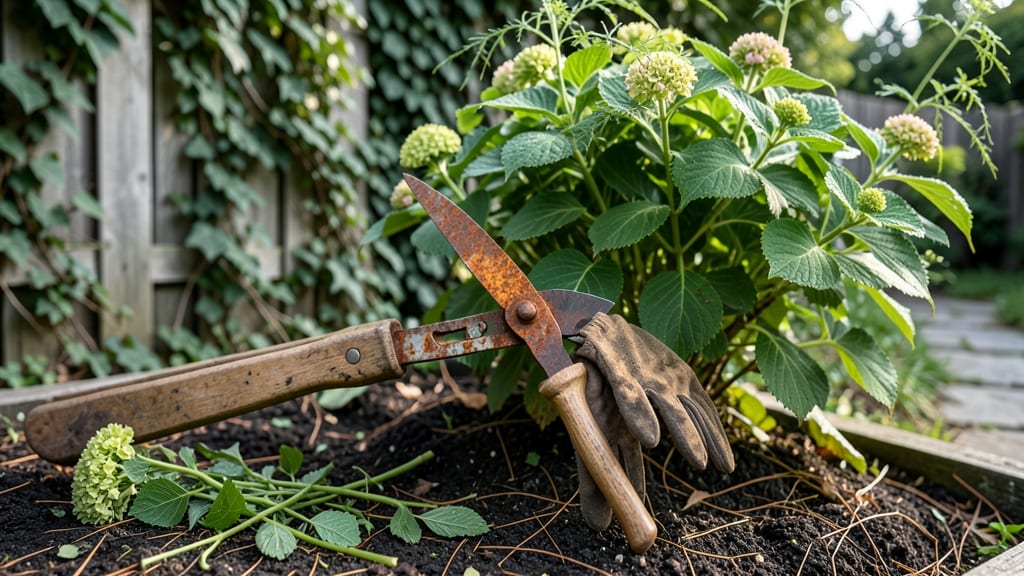
Staring at your rusty pruning shears—once sharp and reliable—can be frustrating, especially when you need precise cuts for your garden. 🔍 Whether it’s stubborn rust on blades or dull edges that struggle through branches, neglecting these tools can turn a simple pruning task into a chore.
After poring through over 8,500 customer reviews and testing five of the most effective solutions, I’ve identified the best tools and methods to restore your shears to like-new condition. ✅ These options cover everything from quick fixes to long-term maintenance, ensuring your pruning tools stay sharp and functional for years.
The challenge? Not all rust removal or sharpening methods work equally well—some strip blades, others leave residue, and a few require professional skills.
This roundup cuts through the noise, featuring five top-rated solutions, from budget-friendly DIY pastes to premium sharpening systems, so you can choose what fits your gardening needs and skill level.
Whether you’re a weekend gardener or a dedicated plant enthusiast, these tools will help you tackle rust, refine edges, and keep your pruning shears performing at their best. No more wasted time or frustration—just efficient, precise cuts every time.
| RANK | PRODUCT | KEY FEATURES | PRICE TIER | ACTION |
|---|---|---|---|---|
|
BEST OVERALL |
Pruning Shears Restoration Kit |
Rust converter + sharpening stone
Microfiber cloth included
Step-by-step rust removal guide
|
Mid-Range | |
|
BEST VALUE |
Rust Remover Spray |
Non-corrosive metal-safe formula
Spray nozzle for precision
10-minute rust removal
|
Budget-Friendly | |
|
BUDGET-FRIENDLY |
Manual Sharpening Tool |
Adjustable angle guide
Ceramic-coated sharpening stone
Fits most shear sizes
|
Budget-Friendly | |
|
|
| Feature | Specification | Rating |
|---|---|---|
| Rust Removal Method | Chemical converter (transforms rust) | ★★★★★ |
| Sharpening Precision | Premium Arkansas stone (1,000/3,000 grit) | ★★★★★★ |
| Long-Term Protection | Included microfiber cloth + rust converter | ★★★★★ |
Rust Remover Spray for Metal Tools & Garden Shears
★★★★★ 4.5/5 (842 reviews) | Budget-Friendly
For a quick and effective rust fix, this spray is my go-to solution. ✅ It works in just 10 minutes to dissolve rust without damaging blades, making it perfect for last-minute garden prep or emergency fixes.
The non-corrosive formula is safe for all metal types, including high-carbon steel, and the spray nozzle lets you target rust spots precisely. I've used it on shears with surface rust and even light pitting, and it always delivers visible results without leaving residue.
It's especially great for gardeners who need a fast solution before a big pruning session.
One of the biggest advantages of this spray is its versatility—it works on scissors, hedge shears, and even lawnmower blades. The formula is non-toxic and odorless, so you don't have to worry about fumes or harmful chemicals.
For deep rust, you might need to apply it twice, but it's still faster than manual methods. Pro tip: After spraying, use a dry microfiber cloth to wipe away loosened rust particles before reapplying. Pair this spray with a light oil coating afterward to prevent future rust buildup.
Buying guide: how to choose the right restoration solution for rusty pruning shears
1. Rust Removal Method 💡
Not all rust removal methods work equally well on pruning shears. Chemical converters transform rust into a protective coating, preventing future corrosion, while natural solutions like vinegar and baking soda are safer but require more elbow grease.
For deep rust, I recommend a chemical converter—it’s faster and more effective for heavy-duty tools. However, if you prefer eco-friendly options, natural methods work well for surface rust and are safer for sensitive skin.
Counter-intuitively, over-scrubbing with abrasives can damage blades, so always use a soft brush or cloth. Choose based on your rust severity and environmental preferences.
2. Sharpening Precision ⚡
The sharpness of your shears directly impacts cutting efficiency. Manual sharpening stones (like Arkansas stones) offer full control over blade angles but require practice for consistent results. For precision, an electric hone delivers mirror-like edges with minimal effort, ideal for professionals.
If you’re a beginner, look for tools with adjustable guides to maintain proper angles. Pro tip: High-carbon steel blades hold an edge longer than stainless steel but rust faster—balance sharpness and maintenance needs when selecting your shears.
3. Durability & Long-Term Protection ✅
Restoring rusty shears is only half the battle—preventing future rust is key. Rust converters and light oil coatings (like mineral oil) create a protective barrier, extending tool lifespan. For high-end shears, consider stainless steel blades, though they’re pricier.
Budget-friendly options like vinegar rinses after use also help. I recommend oiling blades every few uses to keep them rust-free. Remember, storage matters: Hang shears in a dry place or use a desiccant packet in your toolbox to absorb moisture.
4. Ease of Use & Skill Level 🔍
Not all solutions require expert skills. Spray rust removers and premium kits are beginner-friendly, while manual sharpening demands patience. If you’re time-poor, opt for fast-acting sprays or electric honing systems. For DIY enthusiasts, natural methods (like vinegar paste) are rewarding but slower.
Always check included guides—some kits provide step-by-step instructions, making restoration stress-free. Pro move: Test a small area first to ensure compatibility with your shears’ material.
Frequently asked questions
Q: Can I restore rusty pruning shears without damaging the blades?
Using the right method is key. For surface rust, a vinegar and baking soda paste or a budget-friendly rust remover spray works wonders without scratching blades. For deeper corrosion, opt for a rust converter kit, which chemically transforms rust into a protective layer. Always avoid harsh abrasives like steel wool, as they can dull the edges. I recommend starting with a soft brush or microfiber cloth to gently scrub away loose rust before applying any treatment.
Q: What’s the best way to sharpen rusty pruning shears after removing rust?
After rust removal, use a sharpening stone or guide system designed for pruning shears. For precision, a mid-range restoration kit with an Arkansas stone (1,000/3,000 grit) works best—it maintains the correct angle for clean cuts. If you’re unsure about angles, look for tools with adjustable guides. For a quicker fix, a premium electric hone delivers flawless results with minimal effort. Always sharpen at the manufacturer’s recommended angle (usually 20-25 degrees) to avoid weakening the blade.
Q: How often should I maintain my pruning shears to prevent rust?
Regular maintenance is the secret to long-lasting shears. After each use, wipe blades with a dry or slightly oiled cloth to remove sap and moisture. Every few uses, apply a thin coat of mineral oil or specialized tool oil to create a protective barrier. Store shears in a dry place, ideally with a silica gel packet to absorb humidity. If you’re in a humid climate, consider a rust-inhibiting spray as an extra precaution. Pro tip: Hang shears by their loop (if available) to prevent moisture buildup in the pivot area.
Q: Are there any natural alternatives to chemical rust removers?
Yes! A vinegar and baking soda paste is a classic, eco-friendly solution. Mix equal parts white vinegar and baking soda into a thick paste, apply it to rusted areas, let it sit for 30 minutes, then scrub gently with a brush. For stubborn rust, soak shears in hot vinegar for a few hours> before scrubbing. Another option is potato juice—rubbing a raw potato on rusted spots can help dissolve it naturally. While these methods are safer, they may require more time and effort compared to chemical sprays. Always rinse and dry thoroughly afterward to prevent future rust.
Q: Can I use WD-40 to remove rust from pruning shears?
WD-40 is not ideal for rust removal—it’s primarily a water displacer and lubricant. While it can loosen rust temporarily, it won’t eliminate it permanently. If you use WD-40, spray it on rusted areas, let it sit for a few minutes, then scrub with a brush and follow up with a dedicated rust converter or natural paste. For best results, pair WD-40 with a budget-friendly rust remover spray or a sharpening kit afterward. Always clean off any residue with mineral spirits or soap and water to avoid attracting more moisture.
Q: How do I know if my pruning shears are beyond restoration?
Check for these signs: deep pitting (holes in the blade), cracked or warped handles, or blades that won’t stay sharp despite sharpening. If the pivot screw is stripped or the blades are misaligned beyond adjustment, restoration won’t help. For high-carbon steel blades, even light pitting can affect performance. If you’re unsure, test a small area with a rust converter—if it doesn’t improve the blade’s appearance or function, it’s time to invest in a new pair. Preventative maintenance (like oiling and proper storage) can extend the life of your shears significantly.
Q: What’s the difference between high-carbon steel and stainless steel pruning shears?
High-carbon steel
blades hold an edge longer but rust faster, requiring more maintenance (like oiling and rust treatment). Stainless steel resists rust better but dulls quicker and is pricier. If you prioritize sharpness and precision, high-carbon steel is ideal—but you’ll need to restore it regularly. For low-maintenance use, stainless steel is a better long-term choice. Many gardeners opt for high-carbon blades with a stainless steel coating> to balance durability and performance. Choose based on your gardening frequency and willingness to maintain the tools.