
Pruning
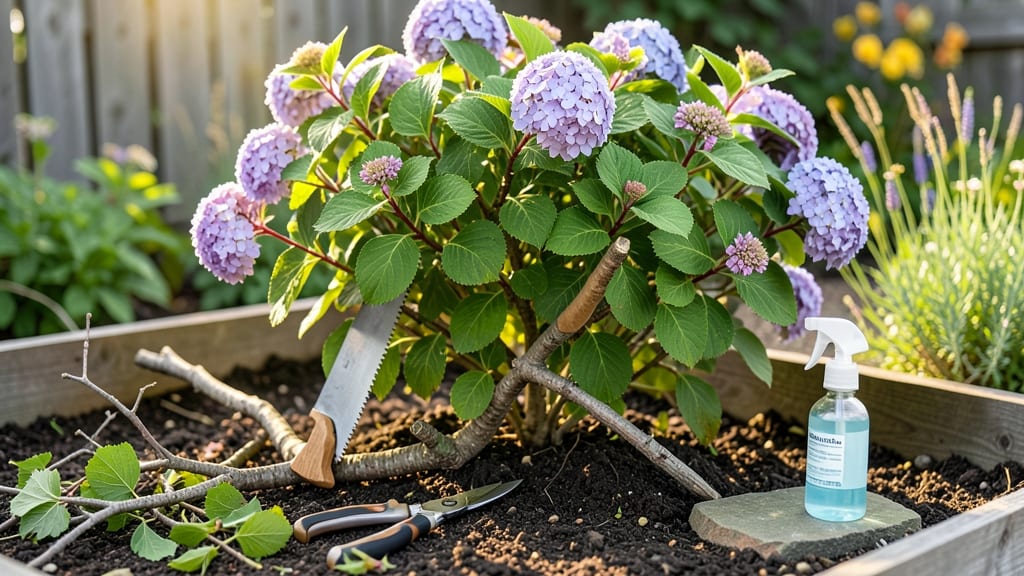
Mastering shrub pruning transforms your yard from chaotic to controlled beauty—and the best time to prune depends entirely on the shrub type. 🌿 I’ve spent years perfecting the art of shaping lilacs, boxwoods, and hydrangeas, and the key is understanding when each type needs attention: late winter for dormant pruning, early summer for flowering shrubs, or late fall for cleanup.
One wrong cut can set you back a season, but with the right timing, your shrubs will reward you with denser growth, more blooms, and a polished look.
You’ll need just three essential tools: sharp bypass pruners for clean cuts, heavy-duty gloves to protect from thorns, and a disinfectant spray to prevent disease spread. Pro tip: Sterilize your tools between cuts, especially when working with diseased branches.
Most gardeners overlook this, but it’s the difference between a thriving shrub and one struggling to recover. For larger branches, a saw with a fine-tooth blade keeps the wood from tearing, and a ladder (if needed) ensures you reach every angle safely.
The actual pruning comes down to three core techniques: shaping for structure, rejuvenation for overgrown shrubs, and deadheading to encourage new blooms. Start by removing dead or crossing branches first—they’re the eyesore and the health hazard.
Then, step back and visualize the shape you want: rounded for a soft look, tiered for height, or formal for a manicured edge. Every cut should aim to open up the center for airflow, which reduces pests and disease.
For flowering shrubs like lilacs, prune after they bloom to preserve next year’s flowers.
After pruning, give your shrubs a deep watering to help them recover, and hold off on heavy fertilizer until new growth appears—usually within 2-3 weeks. Keep an eye out for pests like spider mites or fungal spots, which love stressed plants.
In Massachusetts, late-spring pruning gives shrubs time to harden off before winter, while fall pruning should be minimal to avoid encouraging tender new growth before frost. With these steps, your shrubs will look like they’ve been professionally landscaped—without the hefty price tag.
📚 In This Guide
- What you need
- Instructions
- Tips and common mistakes
- Wrapping up and next steps
What you need
- ● Pruning shears: Bypass pruners (for clean cuts on small branches, 1–2 pairs, 5–8" blades)
- ● Loppers: Bypass or anvil type (for medium branches, 1–2 pairs, 12–18" handles)
- ● Pruning saw: Curved-tooth saw (for thick branches >1", 1 unit, 12–18" blade)
- ● Gloves: Heavy-duty, cut-resistant (1–2 pairs, size to fit snugly)
- ● Safety glasses: (1 pair, ANSI-rated for debris protection)
- ● Ladder or step stool: (if shrubs exceed 6 ft, stable and rated for your weight)
- ○ Disinfectant (optional but recommended): 70% isopropyl alcohol or bleach solution (1 small bottle, for sterilizing tools between cuts)
- ● Trash bags or compost bin: (for clippings; 1–2 large bags or access to yard waste service)
- ● Extension pole pruners: (for high branches, 6–12 ft reach)
- ● Rubbing alcohol wipes: (for quick tool cleaning)
- ● Marking spray: (to outline pruning plans on large shrubs)
- ● Knee pads: (for comfort during ground-level pruning)
- ● Pruning sealant: (for large wounds on woody shrubs, like Wound Dressing)
- ● Notebook & pen: (to sketch pruning plans or track progress)
Step-by-step shrub pruning techniques for year-round canopy control
Mastering shrub pruning transforms your yard from chaotic to curated—here’s my foolproof approach.
✂️ Step 1: Assess the Shrub’s Health and Growth Habits
Start by examining the shrub from all angles—look for dead, diseased, or crossing branches that need immediate removal. I run my hand along stems to feel for woody, hollow spots (a sign of deadwood) or soft, mushy areas (fungal infection). Healthy branches snap with a crisp sound when bent; weak ones bend or break easily.
Next, identify the shrub’s natural growth pattern. Some, like boxwoods, grow in dense mounds, while others, like lilacs, have open, airy canopies. Note where new growth emerges—this tells you where to focus cuts. For example, if shoots appear at the base, you’ll want to encourage bushier growth there.
✂️ Step 2: Gather the Right Tools and Sanitize Them
Use sharp, clean pruning shears for small branches (under ½ inch thick) and loppers for thicker stems (up to 2 inches). For anything larger, break out the pruning saw. I always sanitize tools with 70% rubbing alcohol or a 10% bleach solution to prevent spreading disease between cuts.
Wear gloves—some shrubs, like holly or pyracantha, have thorns, while others, like forsythia, release sap that stains. Keep a small bucket nearby to collect debris; this keeps your workspace tidy and makes cleanup easier. A hand pruner with a bypass blade gives the cleanest cuts, which heal faster.
✂️ Step 3: Remove Dead, Diseased, and Problematic Branches First
Start with the ugly first cuts: deadwood, diseased branches, and those rubbing against others. Cut just outside the branch collar—the swollen area where the branch meets the trunk—to promote faster healing. If a branch is diseased, sterilize your tools between cuts to avoid infecting healthy parts.
Next, tackle crossing or rubbing branches. These compete for energy and can create wounds that invite pests. Remove the smaller of the two branches at its base, or the upper one if it’s larger. You’ll see a cleaner, more open canopy almost immediately—this is where you’ll notice the biggest improvement.
✂️ Step 4: Shape the Canopy for Balance and Airflow
Step back and visualize the shrub’s ideal shape. For rounded shrubs, like hydrangeas, I make cuts at a 45-degree angle just above an outward-facing bud. This encourages new growth to fill in gaps. For columnar shrubs, like spirea, I focus on maintaining vertical lines by trimming only the tips of overgrown branches.
Prioritize airflow—thin out dense areas by removing 10-20% of the oldest branches to let light and air reach the center. This prevents fungal issues and keeps the shrub’s interior healthy. If the shrub is leggy, cut back one-third of the oldest stems to the ground to stimulate new, bushier growth from the base.
✂️ Step 5: Finish with Light Maintenance Cuts
After major pruning, do a final pass to tidy up any ragged edges or stray branches. I avoid heavy cuts now—just clean up what’s left to prevent stress. For flowering shrubs, like lilacs, I wait until right after they bloom to prune, as this ensures next year’s flowers won’t be sacrificed.
Water the shrub deeply after pruning to help it recover. Mulch around the base with 2-3 inches of organic mulch to retain moisture and protect roots. You’ll see new growth within 4-6 weeks, signaling that your pruning was successful. Keep an eye out for yellowing leaves or wilting—these are signs the shrub needs more time to adjust.
Tips & tricks for perfect shrub pruning
These game-changing strategies will help you transform even the most overgrown shrubs into healthy, beautiful specimens.
Tool Selection Wisdom: Don't settle for dull shears—they tear instead of cut cleanly. I've found that bypass pruners with 5-inch blades handle 90% of my pruning needs, while loppers with 8-inch blades tackle thicker stems up to 2 inches in diameter. For anything larger, a pruning saw with a curved blade cuts through thick branches without splitting them. Always test sharpness by making a clean cut through a piece of paper—if it tears, your tools need sharpening.
Seasonal Timing Secret: The best time to prune most shrubs is late winter or early spring, just as new growth begins. For spring-flowering shrubs like lilacs, wait until right after they bloom—this ensures next year's flowers develop properly. Summer pruning should focus on removing only dead or diseased branches to avoid stressing the plant. I mark my calendar with reminders for each shrub type to avoid pruning at the wrong time.
Branch Collar Technique: When removing branches, always cut just outside the branch collar—the swollen area where the branch meets the trunk. This promotes faster healing and prevents unsightly stubs. I make a slight upward angle on the cut to help water run off. For larger branches, I use the three-cut method: First make an undercut, then a top cut, and finally remove the branch by twisting it outward. This prevents tearing the bark.
Post-Pruning Care: After finishing, water deeply to help the shrub recover. Apply 2-3 inches of organic mulch around the base to retain moisture and protect roots. I've noticed that shrubs pruned in late afternoon recover better because they have time to adjust before evening temperatures drop. Watch for yellowing leaves or wilting in the weeks following pruning—these are signs the shrub needs more time to adjust or may be stressed.
Pro Tips for Shrub Pruning Ma
- These game-changing strategies will help you transform even the most overgrown shrubs into healthy, beautiful specimens.
- Tool Selection Wisdom: Don't settle for dull shears—they tear instead of cut cleanly. I've found that bypass pruners ...
- Seasonal Timing Secret: The best time to prune most shrubs is late winter or early spring, just as new growth begins....
Frequently asked questions
Got questions about shrub pruning? You’re not alone! Here are some of the most common concerns—plus straightforward answers to keep your shrubs thriving.
When is the best time to prune my shrubs in Massachusetts?
The ideal timing depends on your shrub type. For spring-flowering shrubs (like lilacs or azaleas), prune right after blooming to avoid cutting off next year’s flowers. For summer/fall bloomers (e.g., hydrangeas, abelia), prune in late winter or early spring before new growth starts. Check your local MA frost dates for precision!
Can I prune shrubs in winter? What about snow?
Light pruning (removing dead/diseased branches) is safe in dormant season (late winter), but avoid heavy cuts—it stresses plants. If snow is falling, wait until it melts; pruning in cold or wet conditions can harm the plant. Pro tip: Use sterilized tools to prevent spreading winter pests like scale.
What if I prune at the wrong time? Will my shrub die?
Most shrubs are resilient, but timing matters for flowering and growth. Pruning spring bloomers too late (after buds form) may reduce flowers next year. For evergreens, avoid heavy cuts in late summer—it can stunt winter hardiness. Fix it: Focus on shaping and deadwood removal, even if the timing isn’t perfect!
Are there alternatives to traditional pruning?
Yes! Try thinning cuts (removing entire branches at the base) to improve airflow, or topiary shaping for ornamental shrubs. For overgrown shrubs, gradual renewal pruning (removing ⅓ of old wood yearly) works better than drastic cuts. Bonus: Mulching and fertilizing post-prune can boost recovery.
My shrub looks sad after pruning—what went wrong?
Common issues include over-pruning (cutting >30% of foliage), uneven cuts (leaving stubs), or disease spread from dirty tools. Troubleshoot:
- Check for brown, mushy stems (fungus)—sterilize tools and prune in dry weather.
- If growth stalls, water deeply and add balanced fertilizer (10-10-10).
- For ragged edges, use sharper blades or a pruning saw for thicker branches.
Wrapping up and next steps
Mastering shrub pruning in MA isn’t just about keeping your landscape tidy—it’s about nurturing healthier, more vibrant plants year after year! 🌿 Whether you’re tackling spring blooms, summer shaping, or winter cleanup, the right techniques ensure your shrubs thrive while minimizing stress.
Now that you’re armed with the best tools, timing tips, and troubleshooting advice, roll up your sleeves and get pruning!
Ready to take your green thumb to the next level? Start small: pick one shrub this weekend, apply what you’ve learned, and watch your garden transform. Happy pruning—your shrubs will thank you! 🌟