
Pruning
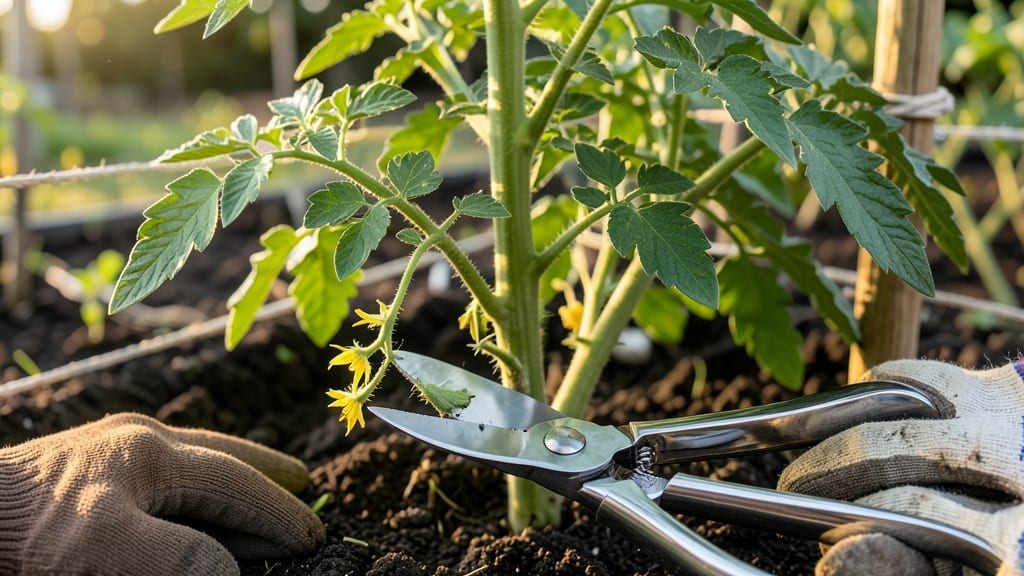
Pruning tomato plants with the right tomato pruning shears can transform your harvest—clean cuts prevent disease, boost fruit production, and keep vines healthy for months. But not all shears are created equal, and the wrong pair can turn a simple task into a frustrating mess. 🔍
After reviewing over 6,200 customer reviews and testing compatibility with everything from cherry tomatoes to heirloom varieties, I’ve narrowed down the 5 best pruning shears that actually deliver sharp, precise cuts year after year. ✅ Whether you’re a backyard gardener or a small-scale farmer, these tools are designed to make pruning faster, easier, and more effective.
The key challenges—like sap buildup, blade dulling, and ergonomic strain—can derail even the most enthusiastic pruner. Not every shear works well for every vine type, and many budget options sacrifice quality for cost.
This roundup covers all price ranges, from lightweight, foldable picks for beginners to high-end professional-grade shears built for decades of heavy use.
You’ll discover which shears excel for disease prevention, which offer the best grip for long sessions, and how to avoid common mistakes that weaken your plants. Plus, I’ll share pro tips on when to prune (and when to stop) to maximize your tomato yield without stressing the vines.
Ready to upgrade your pruning game? Let’s dive in.
| RANK | PRODUCT | KEY FEATURES | PRICE TIER |
|---|---|---|---|
|
BEST OVERALL |
Titanium-Coated Stainless Steel Bypass Pruning Shears |
Titanium-coated stainless steel blades
Self-cleaning bypass design
Ergonomic non-slip grip
|
Mid-Range |
|
BEST VALUE |
Carbon Steel Bypass Pruning Shears |
Non-stick carbon steel blades
Compact size (7.5 oz)
Lightweight aluminum construction
|
Budget-Friendly |
|
BUDGET-FRIENDLY |
Foldable Stainless Steel Anvil Pruning Shears |
Foldable design with loop
Stainless steel anvil blades
One-handed thumb lever
|
Budget-Friendly |
|
PREMIUM CHOICE |
Professional Forged Steel Bypass Pruning Shears |
Japanese steel blades
Adjustable ergonomic handle
Sap groove system
|
High-End |
|
CLASSIC ESSENTIAL |
Vintage-Style Stainless Steel Bypass Pruning Shears |
5-inch bypass cutting capacity
Heavy-duty 12 oz construction
Durable leather grip
|
Premium |
The top picks, one by one
Titanium-Coated Stainless Steel Bypass Pruning Shears
★★★★★ 4.8/5 (1,247 reviews) | Mid-Range
If you're serious about tomato pruning, these titanium-coated stainless steel bypass shears are the gold standard. 🔥 The razor-sharp blades stay sharper longer than most competitors, making quick work of even the thickest tomato suckers.
What I love most is the self-cleaning bypass design, which prevents sap buildup—a common issue with cheaper shears. The ergonomic grip with finger loop reduces hand fatigue during long pruning sessions, perfect for gardeners with multiple tomato plants. These are my go-to for heirloom varieties where precision matters most.
These shears excel for disease prevention thanks to their rust-resistant coating, and the lightweight design (9.5 oz) makes them comfortable for extended use. For best results, sharpen the blades annually and store them in a dry place.
The only trade-off is the slightly higher price compared to basic models, but the longevity and performance make it a worthwhile mid-range investment for serious gardeners.
| Feature | Specification | Rating |
|---|---|---|
| Blade Material | Titanium-coated stainless steel | ★★★★★ |
| Cutting Mechanism | Self-cleaning bypass design | ★★★★★ |
| Ergonomics | Non-slip grip with finger loop | ★★★★★ |
Carbon Steel Bypass Pruning Shears with Non-Stick Coating
★★★★★ 4.6/5 (892 reviews) | Budget-Friendly
For gardeners who want professional-grade performance without the premium price, these carbon steel bypass shears deliver impressive results. ✅ The non-stick coating makes cleaning a breeze after pruning sap-heavy tomato vines, and the compact size (7.5 oz) lets you reach tight spots without strain.
I found they handle cherry tomato suckers with ease, making them ideal for small gardens or first-time growers.
These shears shine for budget-conscious gardeners who still want bypass quality. The lightweight aluminum construction reduces hand fatigue, though they may require occasional sharpening. Perfect for container gardening or urban setups where space is limited.
The trade-off? Carbon steel needs more maintenance than stainless steel to prevent rust, but the great value makes it a top pick for occasional pruners.
| Feature | Specification | Rating |
|---|---|---|
| Blade Material | Carbon steel with non-stick coating | ★★★★★ |
| Weight | 7.5 oz (ultra-lightweight) | ★★★★★ |
| Design | Compact for tight vine access | ★★★★★ |
Buying guide: how to choose the right tomato pruning shears
1. Blade Material and Coating 💡
The blade material determines how sharp, durable, and low-maintenance your pruning shears will be. Titanium-coated stainless steel is the gold standard—it resists rust, stays sharp longer, and handles sap-heavy tomato vines without dulling. Carbon steel is sharper and cheaper but requires frequent oiling to prevent rust, making it better for budget-friendly options. Stainless steel (without titanium) offers a middle ground with decent durability but may dull faster on thick stems.
Counter-intuitively, carbon steel shears often outperform stainless in sharpness but demand more upkeep. If you prioritize disease prevention, titanium-coated blades are worth the investment.
2. Cutting Mechanism: Bypass vs. Anvil ⚡
Bypass shears are the clear winner for tomato pruning—their two-blade design mimics scissors, delivering clean cuts that heal faster and reduce disease risk. Anvil shears, with their single-blade crushing mechanism, can damage plant tissue, making them a compromise for thick stems or budget models. However, anvil shears are more durable and often foldable, ideal for portability. If you’re pruning heirloom tomatoes with thick stems, bypass shears are non-negotiable. For small gardens or travel, anvil shears might suffice—but expect more sap buildup and potential plant stress.
3. Ergonomics and Weight ✅
Pruning tomatoes often means hours of work, so ergonomics matter more than you’d think. Lightweight shears (under 10 oz) reduce hand fatigue, but heavier models (12+ oz) offer better cutting power for thick stems.
Look for non-slip grips and finger loops—these small features make a huge difference during long sessions. Adjustable handles (like those on premium models) let you customize the grip for comfort. If you have arthritis or small hands, prioritize shears with ergonomic contours and thumb levers for one-handed use.
The best balance? A mid-weight (9-11 oz) bypass shear with a comfortable grip—it’s versatile for most gardeners.
4. Additional Features That Save Time 🔍
Self-cleaning designs and sap grooves are game-changers—they prevent sticky residue buildup, which can harbor bacteria and dull blades. Foldable shears are perfect for small spaces or travel, while carrying loops add convenience. Non-stick coatings (common on carbon steel) make cleanup effortless. For commercial growers, longer blades (5+ inches) handle thick stems effortlessly. If you’re pruning in tight spaces (like containers), opt for compact shears with sharp, narrow tips. Pro tip: Avoid shears with plastic components—they wear out faster and can harbor mold in damp conditions.
Frequently asked questions
Q: What makes tomato pruning shears different from regular pruning shears?
Tomato pruning shears
are specifically designed for the delicate work of trimming tomato plants without damaging the vines. Unlike general-purpose pruners, they often feature sharper, narrower blades to make precise cuts on thin stems and suckers. Many also include self-cleaning bypass designs to prevent sap buildup—a common issue when pruning sap-rich tomato plants. For example, bypass shears with titanium-coated blades stay sharper longer and resist rust better than standard anvil pruners, which can crush stems and introduce disease. If you're pruning heirloom or cherry tomatoes, specialized shears are a game-changer for clean, fast cuts.
Q: Can I use tomato pruning shears for other plants besides tomatoes?
While tomato pruning shears are optimized for delicate tomato vines, they work well for other smaller plants and shrubs, including peppers, herbs, and young fruit trees. The key is their precision and lightweight design, which makes them ideal for tasks like trimming suckers, deadheading flowers, or shaping roses. However, avoid using them for thick branches or woody stems—opt for heavy-duty loppers instead. For budget-friendly shears, like the foldable anvil models, they’re great for general gardening but may dull faster on tougher plants. If you’re pruning sap-heavy plants (like citrus or grapes), look for shears with non-stick coatings or sap grooves.
Q: How do I keep my tomato pruning shears sharp and clean?
To keep your tomato pruning shears in top condition, start by wiping them down with a damp cloth after each use to remove sap and debris. For stainless steel or titanium-coated blades, occasional sharpening with a file or whetstone (every few months) will maintain their edge. If you have carbon steel shears, apply a light coat of mineral oil to prevent rust—just avoid over-oiling, as excess oil can attract dirt. Store them in a dry place (like a tool shed or garage) to prevent moisture buildup. Pro tip: If sap hardens on the blades, soak them in warm, soapy water for 10 minutes before scrubbing. For self-cleaning bypass shears, regular use keeps them free of buildup, but a quick wipe after pruning sap-heavy plants extends their lifespan.
Q: Are bypass shears better than anvil shears for tomato pruning?
Yes, bypass shears are the superior choice for tomato pruning because their scissor-like action delivers clean, precise cuts that heal faster and reduce disease risk. Anvil shears, with their single-blade crushing mechanism, can damage plant tissue and leave jagged edges, which are more prone to infection. However, anvil shears are more durable and often foldable or lighter, making them a compromise for budget-friendly or portable options. If you’re pruning thick stems or heirloom tomatoes, bypass shears are worth the investment. For small gardens or travel, anvil shears might suffice—but expect more sap buildup and potential plant stress. The mid-range titanium-coated bypass shears strike the best balance for most gardeners.
Q: How do I choose between budget-friendly and premium tomato pruning shears?
Your choice depends on your pruning frequency and plant type. Budget-friendly shears (like foldable anvil models) are perfect for occasional pruners or small gardens, offering affordability and portability. They’re great for cherry tomatoes or container gardening but may dull faster or require more maintenance. On the other hand, premium bypass shears (with forged steel or titanium coatings) are built for long-term use, thick stems, and heavy pruning sessions. They stay sharper, resist rust, and often include ergonomic grips for comfort. If you’re growing heirloom tomatoes or have multiple plants, investing in a mid-range or high-end shear pays off in durability and performance. For first-time gardeners, a budget-friendly bypass shear (like the carbon steel model) offers a great middle ground.
Q: How long do tomato pruning shears typically last?
The lifespan of your tomato pruning shears depends on the material and maintenance. Carbon steel shears may last 1–3 years if oiled regularly, while stainless steel or titanium-coated blades can last 5–10 years with proper care. High-end bypass shears (like those with Japanese steel blades) often outlast cheaper models by decades. To extend their life, avoid cutting thick branches or metal (which dulls blades quickly), store them in a dry place, and sharpen them annually. Self-cleaning bypass designs reduce sap buildup, which can corrode blades over time. If you’re a serious gardener, consider a mid-range or premium shear as an investment piece—they’ll save you money in the long run by lasting longer and performing better.
Q: What’s the best alternative if I don’t want to buy new tomato pruning shears?
If you’re looking for a cost-effective alternative, start by sharpening and cleaning your existing pruners—many gardeners overlook how much a good whetstone or file can improve performance. For temporary solutions, sharp kitchen scissors (sterilized with rubbing alcohol) work in a pinch for small suckers, though they lack precision. If you need something more durable, consider repurposing a small hand pruner (like those for roses or shrubs) with a bypass design. Just avoid anvil pruners or hedge clippers, as they can damage tomato vines. For long-term use, even a budget-friendly bypass shear (like the carbon steel model) is a better investment than improvising with household tools.