
Pruning
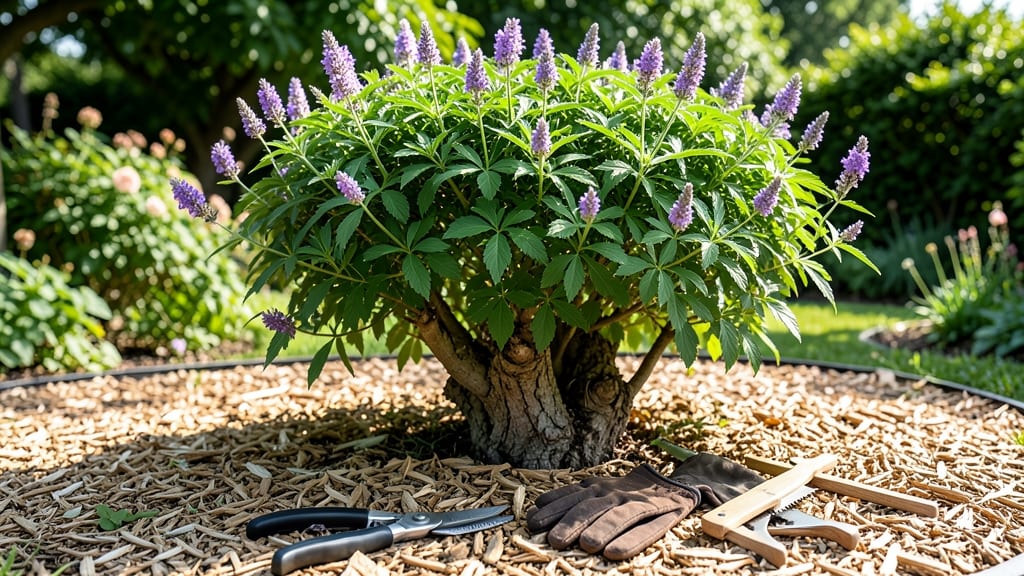
Pruning your vitex tree in late winter or early spring unlocks its full potential—thicker foliage, more blooms, and a shape that turns heads all season. 🌿 I’ve watched my vitex go from scraggly to showstopping after just one strategic pruning session, and the key is timing it right when the tree’s dormant but about to burst with new growth.
The right tools and technique make all the difference: sharp pruners, a saw for thicker branches, and a clear plan to remove dead wood first before shaping. Most gardeners over-prune or cut at the wrong angle, which stresses the tree—so we’ll focus on open-centered cuts that encourage bushiness and flowering.
Think of it like giving your vitex a fresh haircut that leaves it looking polished and healthy. By the time summer rolls around, you’ll see lush, vibrant growth where there were once bare spots, and those purple flower spikes will be denser and more abundant than ever.
The best part? This method works for both young vitex trees and mature ones needing a revival. Whether you’re dealing with a small patio plant or a large landscape specimen, these steps adapt easily. Let’s get those branches trimmed for a tree that stays vibrant year-round!
📚 In This Guide
- What you need
- Instructions
- Tips and common mistakes
- Wrapping up and next steps
What you need
- ● Pruning shears (bypass or anvil type) – Sharp, 5-7" blades for clean cuts on small branches (1/4"–3/4" diameter). Quantity: 1 (or 2 if working on a large tree).
- ● Loppers – Bypass type, 8-12" blades for medium branches (3/4"–2" diameter). Quantity: 1.
- ● Pruning saw – Curved-tooth, 10-12" blade for thick branches (>2" diameter). Quantity: 1.
- ● Rubbing alcohol (70% isopropyl) or pruning sealant – Small bottle (4 oz) to disinfect tools and seal cuts.
- ● Garden gloves – Cut-resistant, durable material (e.g., leather or heavy-duty synthetic). Quantity: 1 pair.
- ○ Ladder or step stool – Sturdy, 6-12 ft tall (depending on tree height). Optional but highly recommended for safety.
- ● Heavy-duty trash bags or bucket – For debris collection (5+ gallon capacity).
- ● Pole pruner – Extendable loppers (8-12 ft) for high branches without a ladder.
- ● Pruning rope or zip ties – To secure branches during cuts (if removing large sections).
- ● Handheld leaf blower – For quick cleanup (especially useful for large vitex trees).
- ○ Tree wound dressing – Optional for large cuts (controversial but useful in some climates).
Step-by-step guide to pruning your vitex tree in dormant season
Let’s transform your vitex into a lush, thriving plant with this simple pruning routine.
✂️ Step 1: Time Your Prune for Late Winter or Early Spring
Prune your vitex 4-6 weeks before your last frost date, ideally in late February or early March. This timing ensures new growth starts fresh when temperatures rise, avoiding frost damage. Look for dormant branches—they’ll be leafless and brittle, making them easy to identify.
If you missed the dormant window, you can do a light shaping trim in early summer, but avoid heavy pruning then. Heavy summer cuts stress the tree and reduce flowering potential. I always mark my calendar to prune vitex in late winter—it’s the secret to year-round vigor.
✂️ Step 2: Gather Tools and Sanitize for Healthy Cuts
Use clean, sharp pruning shears for cuts under ½ inch in diameter, and loppers for thicker branches. A pruning saw handles the largest limbs. Before you start, sterilize your tools with rubbing alcohol or a bleach solution—this prevents spreading disease between cuts.
I keep a small bucket nearby to collect fallen branches and debris. This makes cleanup easy and keeps your workspace tidy. Avoid pruning when the tree is wet—clean tools cut cleaner, and wet branches can harbor bacteria that cause infections.
✂️ Step 3: Remove Dead, Diseased, or Crossing Branches First
Scan the tree for dead wood (brown, hollow, or crumbling branches) and diseased limbs (mushrooms, oozing sap, or blackened bark). Cut these out first, making clean cuts at a 45-degree angle about ¼ inch above a healthy bud or branch collar. This prevents water from pooling and rotting the wound.
Next, remove any branches that cross or rub against each other. These create weak points where bark can tear, inviting pests and disease. I like to step back every few cuts to visualize the tree’s shape—this helps me spot problem branches before they become issues.
✂️ Step 4: Thin the Canopy for Airflow and Light
Vitex thrives with good airflow, so aim to open up the center of the tree by removing 20-30% of the oldest, thickest branches. Start at the outer edges and work inward, cutting branches that grow inward or downward. This encourages a balanced, upward growth habit and reduces the risk of fungal diseases.
Watch for water sprouts—those fast-growing, vertical shoots that pop up everywhere. These steal energy from the main structure, so snip them off at the base. A well-thinned vitex will have sunlight reaching the inner branches, which means more blooms and healthier foliage.
✂️ Step 5: Shape the Tree for Balance and Aesthetics
Now’s the time to refine the silhouette. Vitex responds well to a rounded or vase-like shape, so I focus on evenly spaced branches that create a natural tiered effect. Avoid cutting more than ⅓ of the tree’s height in one season—this prevents shock and encourages strong regrowth.
Step back often to check your progress. The goal is a harmonious shape that doesn’t look too dense at the top or too bare at the bottom. If you’re unsure, take a photo first—comparing before and after helps you see the big picture. Finish by cleaning up any jagged edges with your pruning shears.
🌿 Step 6: Post-Pruning Care for a Strong Recovery
After pruning, water deeply to help the tree recover. Spread a 2-3 inch layer of mulch around the base (but not touching the trunk) to retain moisture and regulate soil temperature. Avoid heavy fertilizing right after pruning—let the tree focus on healing before pushing new growth.
Keep an eye on the tree over the next few weeks. If you see yellowing leaves or wilting, it might be stressed—cut back on watering slightly until new shoots appear. A properly pruned vitex will burst with vibrant new growth by spring, setting the stage for a stunning summer display.
Tips & tricks for perfect vitex pruning
Transforming your vitex into a showstopper starts with these game-changing insights that'll keep your tree thriving for years.
Timing is Everything: The dormant season window of 4-6 weeks before last frost is non-negotiable for optimal regrowth. I've learned this the hard way—pruning too early can expose tender new growth to frost damage, while waiting too long means missing the prime opportunity for vigorous spring recovery. Check your local frost dates and mark your calendar now! This timing also prevents stress that could reduce next year's flowering potential.
Tool Sanitization Secret: Sterilizing your tools between cuts is more important than you might think. I discovered this after noticing unusual dieback on a pruned vitex—turns out, I'd used the same shears on a diseased neighbor's tree earlier that day. For a quick sanitizing solution, mix 1 part bleach with 9 parts water, soak tools for 30 seconds, then rinse thoroughly. This simple step prevents spreading bacterial and fungal infections that can weaken your tree's overall health.
Visual Pruning Cues: When shaping your vitex in Step 5, focus on creating a natural tiered effect by removing branches that grow inward or downward. The goal is sunlight reaching all parts of the canopy. Here's my trick: step back every 5-6 cuts and visualize the tree's silhouette. You should see a balanced shape that's wider at the base and gradually narrows toward the top. This approach mimics the tree's natural growth pattern while encouraging airflow that prevents fungal issues.
Post-Pruning Recovery Hack: After your pruning session, water deeply but don't overdo it—vitex trees actually prefer slightly drier conditions during their initial recovery phase. The key is to maintain that 2-3 inch layer of mulch around the base (keeping it clear of the trunk). This mulch blanket helps regulate soil temperature and retain moisture while preventing weed competition. I've noticed trees with proper mulching show new growth about 2 weeks earlier than those without.
Pro Tips for Vitex Tree Pruning
- Transforming your vitex into a showstopper starts with these game-changing insights that'll keep your tree thriving f...
- Timing is Everything: The dormant season window of 4-6 weeks before last frost is non-negotiable for optimal regrowth...
- Tool Sanitization Secret: Sterilizing your tools between cuts is more important than you might think. I discovered th...
Frequently asked questions
Got questions about pruning your vitex tree? You’re not alone! Here are answers to the most common concerns—so you can keep your tree thriving with confidence.
When is the best time to prune a vitex tree?
The ideal window is late winter or early spring (just before new growth starts). Pruning in dormant season (Dec–Feb) minimizes stress and promotes healthy regrowth. Avoid heavy pruning in summer or fall, as it can stimulate tender new growth vulnerable to frost damage.
How often should I prune my vitex tree?
For maintenance, light pruning (removing dead/diseased wood) can be done year-round. However, structural shaping should happen every 2–3 years to control size and encourage airflow. Over-pruning weakens the tree—aim for no more than 25% of foliage in a single session.
What if I prune at the wrong time?
Pruning during active growth (spring–summer) can lead to weaker branches or frost damage if new shoots form. If you’ve already pruned too late, focus on light cleanup (removing only dead wood) and adjust your schedule for next year. Patience helps—vitex is resilient!
Can I prune vitex for hedges or topiary?
Vitex responds well to formal shaping but requires regular trims (every 4–6 weeks) during growing seasons. Use sharp shears for clean cuts, and prune just above a leaf node. For hedges, aim for a rounded or tapered shape to encourage dense growth.
What if my vitex looks leggy after pruning?
Leggy growth often means over-pruning or lack of sunlight. To fix it:
- Prune selectively—focus on inner branches to open the canopy.
- Fertilize lightly with balanced 10-10-10 in early spring.
- Ensure 6+ hours of sunlight daily—vitex thrives in full sun.
Pro Tip:
Mark your calendar! Set a reminder for January—that’s when most vitex trees enter dormancy, making it the perfect time to plan your pruning strategy. Grab your tools, and let’s get growing!
Wrapping up and next steps
Pruning your vitex tree during the dormant season is the secret to unlocking its full potential—thriving foliage, vibrant blooms, and long-term health. By following the right techniques, timing, and tools, you’ll ensure your tree stays strong and beautiful year after year.
Now that you’re armed with the knowledge, grab those shears and get pruning! 🌿✂️
For extra confidence, mark your calendar to prune again next winter—consistency is key. And if you’re eager to dive deeper, explore local gardening forums or consult a horticulturist for personalized advice. Happy pruning! 🌟