
Pruning
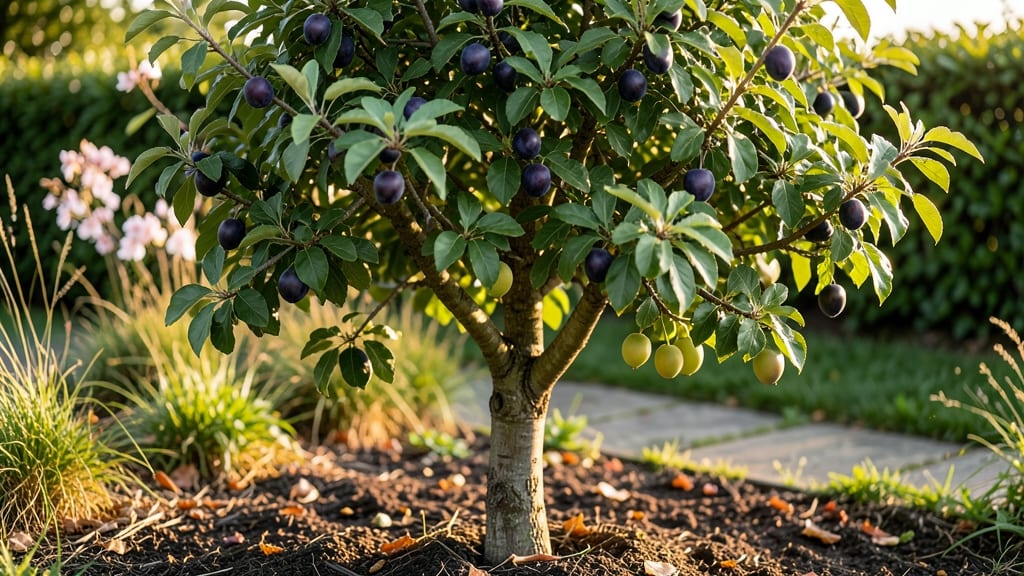
Prunes look like small, oval-shaped fruits when fresh, ranging from yellowish-green to reddish-purple with a smooth, slightly waxy skin. When dried, they transform into shrunken, deep brown or black puckered ovals with a leathery texture and glossy surface.
When you see fresh prunes on the tree or in the market, they're usually about 1 to 2 inches long and resemble plums in shape but with a slightly firmer feel. 🌱 The color shifts dramatically as they ripen—starting green, then turning yellow, and finally deepening to purple or reddish hues.
This color change isn't just visual; it indicates sweetness development, with the darkest varieties often being the most flavorful. Once dried, prunes lose about 75% of their original weight, creating those iconic wrinkled, almost leather-like shapes that make them instantly recognizable in grocery stores.
The transformation from fresh to dried isn't just about size and color—it's a complete makeover.
The drying process concentrates sugars and softens the texture, giving dried prunes their signature chewy quality. 💫 What's fascinating is how commercial drying methods use controlled heat and airflow to preserve that glossy sheen, while homemade dried prunes might develop more irregular shapes and deeper cracks.
This difference in appearance often reflects the drying technique used, with commercial versions appearing more uniform and polished.
💡 In This Article
- Fresh Prune Appearance vs Ripening Stages
- How Drying Transforms Prune Appearance
Fresh prune appearance vs ripening stages
Fresh prunes belong to the plum family and share their oval shape but with distinct botanical features. Their skin starts as a vibrant yellowish-green when unripe, gradually deepening to shades of purple or reddish-brown as they mature.
This color transformation happens because of increased anthocyanin production—a natural pigment that also gives blueberries their hue. The skin remains smooth and slightly waxy, almost like a plum's, but with a firmer texture that resists bruising better than many other fruits. 🌱
Size varies by variety, with most fresh prunes measuring between 1 to 2 inches in length and about 0.75 to 1.25 inches in diameter. European varieties like the 'Stanley' prune tend to be slightly larger and more elongated, while American types like 'French' prunes are smaller and rounder.
The ripening process also affects sweetness—unripe prunes taste tart, while fully ripe ones develop a natural sweetness that makes them perfect for fresh eating or drying.
What's fascinating about prune ripening is how the skin's texture changes. Early in development, it's thin and delicate, but as it matures, it thickens slightly, creating that characteristic waxy sheen. This protective layer helps preserve moisture during the drying process.
The stone inside also grows proportionally, making up about 10-15% of the fruit's volume by weight. This stone-to-flesh ratio is crucial for determining whether a prune will dry properly—too large a stone means less usable fruit for drying. 💫
European and American prune varieties also show distinct visual differences in their fresh state. European prunes often have a more pronounced red or purple blush, while American varieties might display greenish-yellow undertones even when ripe. These color differences aren't just cosmetic—they reflect variations in sugar content and acidity levels.
For example, the 'French' prune variety maintains more green tones even when fully ripe, while 'Stanley' prunes develop intense purple hues that signal peak ripeness.
When selecting fresh prunes for drying, look for these key visual cues: vibrant color (not dull or washed out), firm but yielding flesh when gently squeezed, and a slight glossiness on the skin. The stem end should be cleanly attached, indicating freshness.
Prunes with bruises or soft spots won't dry properly, as they'll develop mold during the process. This attention to fresh appearance directly impacts the quality of your dried prunes. ✨