
Pruning
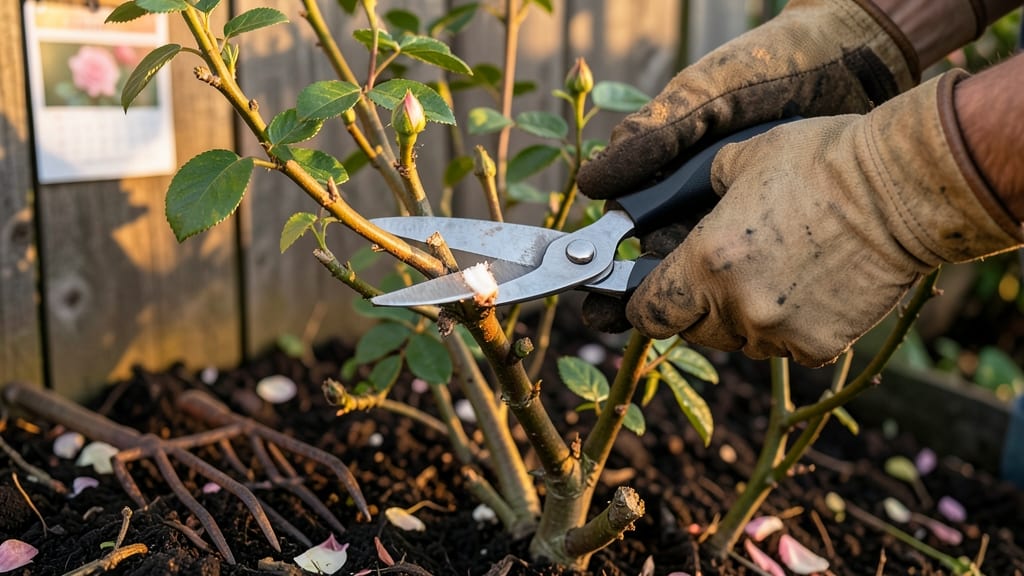
Pruning rose bushes in what time of year do you prune rose bushes is the key to stronger blooms and healthier growth 🌹 — timing matters more than most gardeners realize.
Picture this: You’ve just spent months admiring your vibrant roses, only to watch them struggle after a hasty trim. That’s because pruning at the wrong time can stunt growth, invite disease, or even kill your bushes.
The secret lies in the dormant season, when your roses are resting but ready to burst into new life with the right cuts.
Whether you’re in USDA Zone 6a or a warmer climate, the best time to prune depends on your local frost dates and bloom cycle. Late winter (just before buds swell) is ideal for most roses, but late-blooming varieties may need a different approach.
I’ll break down the exact window, tools, and techniques to ensure your roses thrive all season long.
From removing dead wood to shaping your bushes for maximum airflow, you’ll learn step-by-step how to prune like a pro—without overdoing it. Plus, I’ll share the one mistake that turns your roses into a disease magnet. Ready to transform your garden?
Best time of year to prune rose bushes for maximum blooms
Timing is everything when it comes to pruning rose bushes. The dormant season—between late winter and early spring—is the golden window for shaping your roses. Pruning at the wrong time can leave your plants vulnerable to disease or even stunt their growth.
I’ve learned the hard way that rushing this process often leads to weaker blooms later in the season.
Most gardeners focus on USDA hardiness zones 5-9, where the ideal pruning window falls between February and April. However, your exact timing depends on your local climate.
In colder zones (like Zones 3-4), wait until after the last frost when daytime temperatures consistently stay above 40°F (4°C). In milder zones (like Zones 8-10), you can prune as early as January.
The moon phase also plays a subtle but important role. Pruning during the waning moon (after a full moon) encourages root growth, while pruning during the waxing moon promotes foliage and flower production. I always check my garden calendar before grabbing my pruners!
One of the biggest mistakes I see is pruning too early in late fall or winter. When you cut back roses before they’ve fully entered dormancy, you’re essentially removing energy reserves they need to survive harsh weather. This can leave your plants weakened and disease-prone when spring arrives.
Here’s the key: Wait until your roses are completely dormant, with no signs of new growth. This usually means the canes are brown and brittle, not green or flexible. If you’re unsure, do a quick scratch test—if the bark stays brown under the scratch, it’s safe to prune.
Now, let’s break down the best times by climate zone so you can plan your pruning schedule with confidence.
If you’re in a Mediterranean climate, like Southern California, your roses may bloom year-round, but the best time to prune is still during their dormant period.
This usually falls in late fall (November) or early spring (February). Just avoid pruning during peak bloom times, as this can reduce flower production.
Another critical tip: Clean your pruners with rubbing alcohol or a bleach solution before and after pruning. This step is often overlooked but prevents the spread of fungal diseases like black spot. I always sterilize my tools to keep my roses healthy and thriving.
Once you’ve pruned, apply a layer of mulch around the base of your roses to protect them from temperature fluctuations. This helps retain moisture and encourages strong root development as they prepare for the growing season. I use compost or shredded bark for best results.
Finally, resist the urge to prune after the first bloom of the season. If you do, you’ll likely miss out on the majority of your flowers. Instead, wait until late summer or early fall for a second pruning to shape the bush and encourage next year’s blooms.
With the right timing and care, your roses will reward you with vibrant blooms all season long. Happy pruning! ✂️🌹
Step-by-step rose pruning guide: tools, cuts, and common mistakes
Pruning your rose bushes correctly is the secret to vibrant blooms and healthy growth. The best time to prune is during the dormant season, typically late winter to early spring, before new growth begins.
This timing ensures your roses enter the growing season strong and disease-free. But timing isn't the only factor—using the right tools and techniques makes all the difference.
Before you start, gather your essential pruning tools and avoid common mistakes like leaving stubs or topping your roses. A clean, precise cut at a 45-degree angle just above an outward-facing bud encourages better airflow and reduces fungal risks.
Let’s walk through the exact steps, tools, and pitfalls to avoid for a flawless pruning session.
Step-by-Step Rose Pruning Guide
- Step 1: Choose the Right Time – Prune in late winter or early spring (before buds swell) in USDA zones 3-10. For mild climates, prune after the last frost date.
- Step 2: Gather Your Tools – Use bypass pruners for live wood, loppers for thicker branches, and disinfectant to clean tools between cuts.
- Step 3: Remove Dead or Diseased Wood – Cut out blackened or mushy stems first to prevent spreading disease.
- Step 4: Shape the Bush – Trim crossing branches and overcrowded growth to improve airflow. Aim for an open vase shape.
- Step 5: Make Clean Cuts – Cut at a 45-degree angle, ¼ inch above an outward-facing bud. Avoid leaving stubs or tearing the stem.
- Step 6: Fertilize Lightly – Apply a balanced fertilizer (10-10-10) after pruning to support new growth.
- Step 7: Clean Up – Remove all pruned debris and disinfect tools to prevent fungal contamination.
One of the biggest mistakes gardeners make is pruning in wet weather, which can spread bacterial infections like black spot. Always prune on a dry, sunny day to minimize risks.
Another common error is over-pruning, which stresses the plant. Aim to remove no more than ⅓ of the plant’s volume in a single session.
For hybrid teas and grandifloras, focus on removing spent blooms throughout the season to encourage continuous flowering. Meanwhile, shrub roses benefit from harder pruning to maintain their natural shape.
Always step back and assess your work—your goal is to create a balanced, airy structure that looks as good as it performs.
After pruning, monitor your roses for signs of stress or disease. If you notice yellowing leaves or black spots, act quickly with a fungicide treatment and adjust your watering habits. With the right approach, your roses will reward you with abundant blooms all season long.
🌹