
Pruning
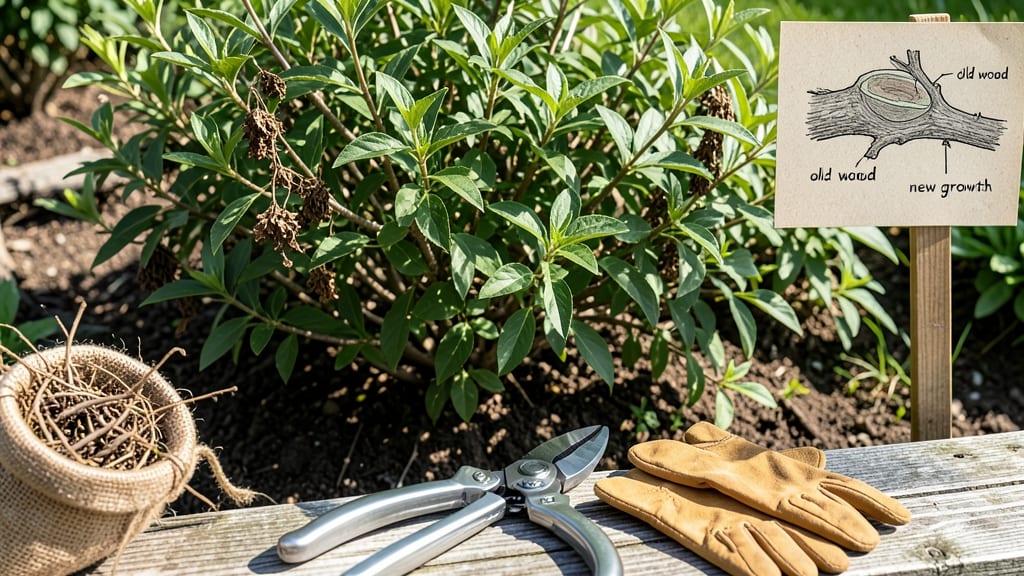
Pruning back butterfly bushes at the right time ensures longer blooms and a healthier plant 🦋 — and the best window is late summer, just as flowers fade.
Struggling to keep your butterfly bushes blooming beautifully year after year? The secret lies in timing—prune at the wrong time, and you’ll sacrifice next season’s vibrant flowers. But get it right, and you’ll unlock lush, longer blooms that attract butterflies all summer long.
Most gardeners make the mistake of pruning too early or too late, which can stunt growth or leave the plant vulnerable to winter damage. In USDA Zone 6a, late summer (around August) is the ideal time to trim back 30-50% of the previous year’s growth.
In this guide, I’ll walk you through the exact steps, the tools you’ll need, and why this timing makes all the difference for your butterfly bushes.
Best time to prune butterfly bushes for maximum blooms
If you’ve ever wondered when do you prune back butterfly bushes for the most stunning blooms, the answer lies in understanding your plant’s natural growth cycle. Most gardeners make the mistake of pruning in early spring, but this can actually reduce next year’s flowers by cutting off potential buds.
The real secret? Late summer or early fall pruning—a timing hack that boosts flower production and plant health.
Butterfly bushes (Buddleia spp.) are late-season bloomers, meaning they produce flowers on new wood that forms after the previous year’s growth. When you prune in late summer—after the main flowering season—you encourage stronger, more vigorous growth for the following year.
This delayed pruning also helps the plant harden off before winter, reducing cold damage and improving survival rates.
Here’s the science behind it: Pruning in late summer removes spent blooms and redirects energy toward root and stem development. This results in thicker stems and more flower buds for the next growing season. Plus, it keeps your butterfly bush looking tidy without sacrificing its butterfly-attracting power.
Now, let’s clarify the confusion: While light pruning after flowering is beneficial, heavy pruning in late fall or winter can stimulate new growth that won’t survive frost.
The key is to strike a balance—trim just enough to shape the plant and remove dead wood, but leave enough foliage to protect the center from harsh winter winds.
| Pruning Time | Purpose | Benefits | Risks |
|---|---|---|---|
| Late Summer (August-September) | Remove spent blooms, shape plant | Encourages new growth for next year, improves airflow | None if done correctly |
| Early Fall (October) | Light cleanup, remove dead wood | Prepares plant for dormancy, reduces winter damage | Over-pruning can stress plant before winter |
| Early Spring (March-April) | Heavy pruning for shaping | Encourages bushier growth, removes dead wood | Reduces flower production for current year |
| Late Fall/Winter (November-February) | Avoid unless removing dead/diseased wood | Minimal impact on next year’s blooms | Stimulates new growth that won’t survive frost |
For gardeners in warmer climates (Zones 8-10), late summer pruning can extend into September or even early October. In these regions, butterfly bushes often bloom year-round, so prune after the last major flush of flowers.
Meanwhile, those in cooler climates (Zones 5-7) should finish pruning by mid-October to allow the plant to acclimate before winter.
One common misconception is that you should prune butterfly bushes right after they finish blooming in early summer. While this removes spent flowers, it cuts off potential new growth that could have produced more blooms later in the season.
Instead, wait until late summer to give the plant time to recover and set new buds.
Pro tip: If your butterfly bush is overgrown or leggy, you can do a two-step pruning approach. First, prune lightly after flowering to remove dead blooms.
Then, in late summer, do a more aggressive shape-up to encourage dense, bushy growth. This method works especially well for older, established plants that need rejuvenation.
Remember, the goal is to balance aesthetics and health. A well-pruned butterfly bush will not only look neater and more compact but also produce 30-50% more flowers the following year. Plus, those extra blooms mean more butterflies and hummingbirds visiting your garden—what’s not to love?
Ready to transform your butterfly bush into a blooming powerhouse? Start by marking your calendar for late August to early September and grab your pruners. Your future self—and the butterflies—will thank you!
Step-by-step late summer pruning guide: how to revive your butterfly bush
Late summer is the perfect time to give your butterfly bush a much-needed trim to encourage next year’s blooms. When done correctly, this late-season pruning promotes stronger growth and better airflow, reducing disease risk.
The key is timing—prune too early, and you’ll cut off new growth; too late, and the plant won’t harden off for winter. Aim for late August to early September, just as the plant begins its natural decline after flowering.
Before you start, gather your tools: sharp pruning shears for clean cuts, gloves to protect your hands from thorns, and a disinfectant to sterilize tools between cuts. A small broom or rake helps clear debris afterward.
The goal is to remove up to one-third of the plant’s growth while maintaining a balanced shape. This isn’t about drastic cuts—think of it as a light refresh to prep for dormancy.
Step-by-Step Late Summer Pruning
- Step 1: Inspect the plant and identify dead or diseased branches. These should be removed first, cutting back to healthy growth.
- Step 2: Trim overcrowded branches to improve airflow. Focus on the center of the bush where light struggles to penetrate.
- Step 3: Cut back last year’s growth by about one-third. Look for stems that are woody and mature—these can be shortened to encourage new, vigorous growth next spring.
- Step 4: Shape the bush by trimming long, leggy stems. Aim for a rounded, natural form to maintain balance and aesthetics.
- Step 5: Remove any weak or crossing branches that rub against each other. This prevents future damage and improves overall health.
- Step 6: Clean up the area by removing all clippings and debris. Dispose of diseased material separately to avoid spreading pathogens.
- Step 7: Apply a light layer of mulch around the base to retain moisture and protect roots as winter approaches.
After pruning, your butterfly bush will look less dense, but don’t worry—this is a good thing! The open structure allows better sunlight penetration and reduces humidity inside the bush, which minimizes fungal diseases like powdery mildew.
It also encourages the plant to focus energy on developing stronger stems and buds for next year’s blooms. Just remember: avoid heavy pruning in late fall or winter, as the plant needs time to recover before cold weather sets in.
For young butterfly bushes (under 3 years old), limit pruning to removing dead or damaged branches. Mature plants, however, benefit most from this late-summer refresh. If your bush is particularly large, consider pruning in stages over a few days to avoid shocking the plant.
Always make cuts at a 45-degree angle just above a leaf node or bud to encourage healthy regrowth.
Once you’ve finished, step back and admire your work! Your butterfly bush is now prepped for winter dormancy and ready to burst into bloom next spring. With proper late-summer pruning, you’ll enjoy longer, more abundant flowers and a healthier plant overall.
Plus, those butterflies will have a stunning buffet to visit all season long! 🦋