
Pruning
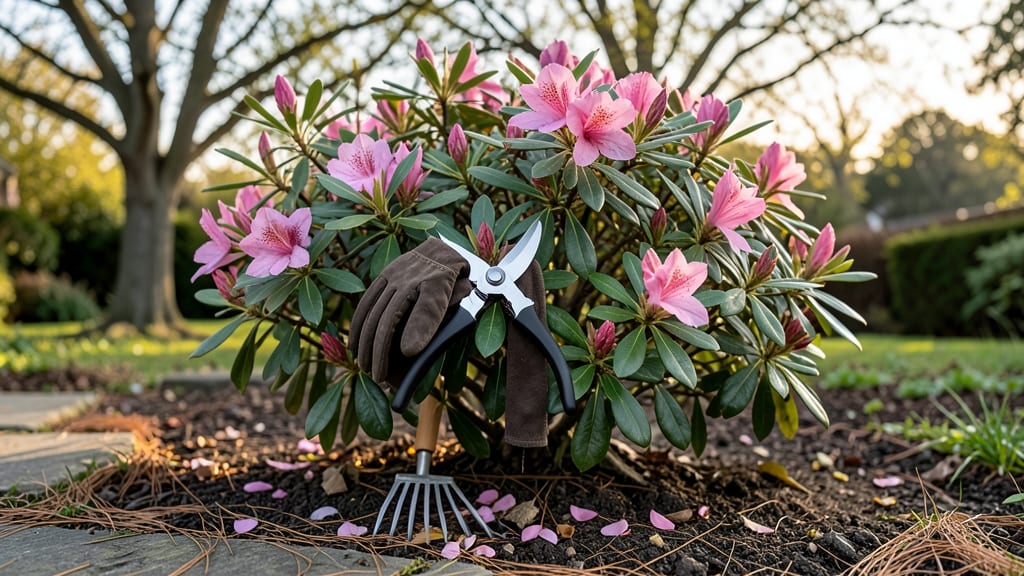
Pruning azaleas in Georgia during late winter is the secret to stronger blooms next spring—and skipping it means fewer flowers and weaker growth.
Picture this: your 🌸 azaleas in full, vibrant bloom, drawing neighbors to pause and admire. But here’s the catch—most gardeners wait too long, and by the time they prune, they’ve already missed the ideal late-winter window when the plant is just waking up but before new buds form.
That’s when you set the stage for next year’s showstopper display.
Georgia’s 7b-8b climate gives you a narrow but critical window—typically between February and early March—to prune without risking frost damage or stunting flower production. Get it wrong, and you might end up with sparse blooms or even no flowers at all.
The good news? With the right timing and technique, you can turn your azaleas into a year-round garden star.
In this guide, I’ll walk you through the exact late-winter schedule, how to adjust for regional variations (like elevation or microclimates), and the one pruning mistake that kills blooms before they even start. Let’s get those shears ready!
Best late-winter pruning window for Georgia azaleas (with exact dates)
Georgia’s azaleas rely on precise late-winter pruning to produce their legendary spring blooms. Unlike many shrubs, azaleas bloom on old wood, meaning last year’s growth holds next year’s flowers. Prune at the wrong time, and you’ll sacrifice 30-50% of potential blooms—or worse, trigger dieback.
The key? Timing it between dormancy and bud swell, when the plant is resting but before new growth begins.
Georgia’s climate varies dramatically from the coastal lowlands (Zone 8a) to the mountainous north (Zone 7a). In Savannah, azaleas may need pruning as early as mid-February, while in Blue Ridge areas, wait until late March to avoid frost damage. Understanding your microclimate is the first step to perfect timing.
The ideal pruning window for Georgia azaleas spans February 15–March 15, but adjust based on your last frost date. For early bloomers (like Rhododendron austrinum), prune on the earlier side, while late bloomers (such as R. canescens) can wait until mid-March.
This timing ensures buds form on last year’s wood while avoiding the risk of late-season frosts.
Here’s why late winter works best: After pruning, azaleas need 6-8 weeks of warm weather to develop next year’s flower buds. Pruning too early (like January) risks exposing tender new growth to winter freezes, while pruning too late (April+) removes blooms or cuts into this critical bud-forming period.
| Georgia Region | USDA Zone | Pruning Window | Key Trigger | Avoid After |
|---|---|---|---|---|
| Coastal (Savannah, Brunswick) | 8a-8b | Feb 15–Mar 1 | Bud swell begins | Mar 10 (bloom risk) |
| Central (Atlanta, Macon) | 7b-8a | Feb 28–Mar 15 | Last frost date | Mar 25 (bud break) |
| North Georgia (Blue Ridge) | 7a-7b | Mar 10–Mar 25 | Soil temps >40°F | Apr 5 (late frost) |
| All Regions | N/A | Never prune after blooms fade | Deadheading exception | N/A |
To pinpoint your exact window, monitor these three cues:
- Bud swell (tiny green bumps on stems),
- Daylength (12+ hours of light), and
- Soil temperature (above 40°F).
In Atlanta, for example, prune when daylilies (a local indicator) start pushing up through the soil—typically late February. Pro tip: Use a soil thermometer to confirm warmth.
Evergreen azaleas (like Rhododendron catawbiense) and deciduous types (such as R. prinophyllum) share the same timing, but evergreens benefit from a light shaping prune in late winter to maintain their dense foliage.
Deciduous azaleas, which drop leaves in winter, can handle slightly heavier pruning since you can see the branch structure more clearly.
One common mistake? Pruning after blooms fade in spring. This removes next year’s flower buds, which form on old wood. If you missed the late-winter window, wait until after blooming (June-July) for rejuvenation pruning, but expect fewer flowers the following year.
Another pitfall is cutting into water sprouts (thin, upright shoots) in summer—they’re best removed in late winter when the plant is dormant.
After pruning, focus on post-care to support recovery. Apply a 2-inch layer of mulch (pine bark or pine needles) to retain moisture and acidify the soil. Water deeply once weekly for the first month post-prune, then taper to bi-weekly once new growth appears.
Avoid fertilizing until late spring (after buds form) to prevent nitrogen burn on tender new shoots.
For Georgia gardeners, the University of Georgia Extension recommends checking local Cooperative Extension offices for hyper-local adjustments. Their Frost Free Date Calculator
Step-by-step azalea pruning guide: what to cut and why
Pruning your Georgia azaleas correctly transforms them from ragged shrubs into bloom-powerhouses, but knowing what to cut and when to stop makes all the difference. Azaleas bloom on old wood—last year’s growth—so aggressive pruning can mean fewer flowers next spring.
My approach focuses on light shaping, deadheading, and rejuvenating overgrown branches while preserving next year’s flower buds.
Start by scanning your azalea for old wood (last year’s stems) and new growth (this year’s soft, green shoots). Old wood holds 90% of next year’s flower buds, so avoid cutting it back unless it’s dead, diseased, or crossing.
New growth, however, can be trimmed to encourage bushiness. Use sharp, clean pruners to make cuts at a 45-degree angle just above a bud or branch collar—never leave stubs.
⚠️ callout-warning ⚠️
⚠️ Critical Mistake in Georgia: Pruning After Blooms Fall
Georgia’s azaleas bloom late winter to early spring (February–April). Pruning right after flowers fade removes next year’s buds, which form on old wood over summer. Wait until late February to early March—after buds set but before new shoots emerge—to avoid stunting blooms.
🌱 Pro Tip: If you must prune after blooming, limit cuts to deadheading spent flowers (snip stems just above the first set of leaves) to redirect energy to new growth.
For shaping azaleas, focus on opening the center to improve airflow and reduce pest/disease risks. Remove crossing branches first, then thin out overcrowded stems to let sunlight reach the inner foliage.
Aim to prune no more than 25% of the plant’s total volume—any more risks weakening next year’s blooms. If your azalea is overgrown or leggy, spread pruning over 2–3 years to avoid shock.
Deadheading—removing spent blooms—is a year-round task in Georgia’s mild winters. After flowers fade, snip the entire spent stem back to the nearest leaf set or bud. This prevents seed formation and encourages a second flush of blooms on some varieties like Rhododendron austrinum.
Use sterilized pruners to avoid spreading fire blight or powdery mildew, common in Georgia’s humid summers.
Rejuvenating old, woody azaleas requires patience. If your plant hasn’t bloomed well in years, gradually thin out the oldest stems (those with no leaves or peeling bark) down to the ground.
New shoots will sprout from the base, creating vigorous, youthful growth. Apply a 2-inch layer of mulch afterward to protect roots and retain moisture—critical in Georgia’s hot, dry summers.
After pruning, give your azaleas a light fertilizer (like 10-10-10) mixed with compost to boost recovery. Water deeply but infrequently to encourage deep root growth, and monitor for new shoots by late spring.
Avoid heavy pruning again until next late winter, or you’ll risk breaking the bloom cycle entirely.
Remember: Less is more with azaleas. A well-timed, gentle prune in late winter keeps your Georgia shrubs healthy, blooming, and disease-free for decades. Grab your pruners, and let’s shape those azaleas like a pro! ✂️🌸