
Pruning
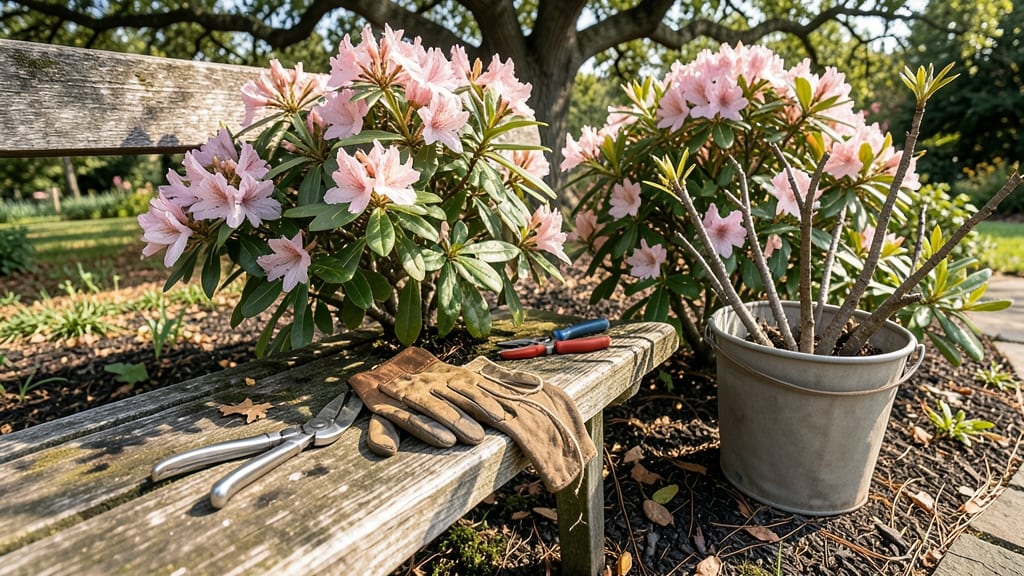
Pruning azaleas in Virginia during late winter is the key to showstopping spring blooms—and skipping this window means fewer flowers and weaker growth.
Picture this: Your 🌸 azaleas stand tall and lush, their branches heavy with vibrant blooms, all because you timed your pruning right. But prune too early, and you risk cutting off next year’s buds.
Too late, and you’ll stress the plant before it’s ready to burst into color. The 4-week window between mid-February and early March is your sweet spot.
Why does timing matter so much? Azaleas bloom on old wood, meaning their flowers form on branches from the previous year. Prune too soon, and you’ll snip off those buds before they even have a chance to open.
Wait too long, and you’ll encourage leggy growth that weakens the plant. In Virginia’s 6a-8a zones, the late-winter chill signals the perfect moment to shape your shrubs without risking frost damage or stunting new growth.
In this guide, I’ll walk you through the exact steps to prune your azaleas for maximum blooms, including how to check for bud swelling, the tools you’ll need, and regional adjustments for Virginia’s varied climate.
Whether you’re a first-time gardener or a seasoned pro, these tips will help you avoid common mistakes and keep your azaleas thriving for years to come.
Best late-winter pruning window for Virginia azaleas
Virginia azaleas (Rhododendron spp.) need precise timing for their late-winter pruning to ensure stunning spring blooms. The 4-week window from mid-February to early March aligns perfectly with Virginia’s USDA zones 6a-8a, where azaleas enter dormancy in late fall and prepare for new growth.
Pruning too early risks frost damage, while waiting too long can delay blooming. This window gives you the perfect balance between dormant-season cleanup and spring growth stimulation.
Why does timing matter so much? Azaleas form flower buds on old wood during the previous summer and fall. Pruning too late can remove next year’s blooms before they’ve fully developed. Conversely, pruning too early exposes tender new growth to late frosts, which can kill emerging buds.
The late-winter window ensures you prune after the worst winter cold snaps but before active growth begins.
Here’s how to confirm your azaleas are ready for pruning: Look for bud swelling along the branches. These small, rounded bumps indicate the plant is preparing to grow. If you see green tips emerging from the buds, it’s time to prune—usually 1-2 weeks before these tips break open.
In Virginia, this typically falls between February 15 and March 10, depending on your specific microclimate.
Don’t rely solely on the calendar—Virginia’s climate varies significantly from the cooler Piedmont region to the warmer Tidewater coast. For example, azaleas in zone 6a (Roanoke) may need pruning in early March, while those in zone 8a (Norfolk) could be ready by mid-February.
Always check for bud swelling to avoid cutting too soon or too late.
The ideal pruning window also coincides with Virginia’s average last frost dates. In most areas, the risk of hard freezes drops significantly by mid-February, reducing the chance of frost damage to fresh cuts.
Pruning during this window also allows you to shape your azaleas before the growing season begins, giving new branches time to fill out before summer.
| Timing Factor | Virginia-Specific Guidance | Action to Take |
|---|---|---|
| Bud Swelling | Mid-February to early March | Prune when buds are swollen but before new growth emerges |
| Last Frost Date | Mid-April (varies by zone) | Aim to finish pruning 6-8 weeks before last frost |
| Climate Zone | 6a (coolest) to 8a (warmest) | Zone 6a: Prune late February/March; Zone 8a: Prune February |
| New Growth Signs | Green tips emerging | Wait until you see green tips to avoid cutting too early |
| Post-Pruning Care | All zones | Water deeply and apply mulch to protect roots |
One common mistake Virginia gardeners make is pruning azaleas in early spring (April), after the buds have already formed. This can reduce next year’s blooms by up to 50%, as you’re cutting off flower buds that developed the previous summer.
Another pitfall is pruning in late winter (January), when azaleas are still vulnerable to frost. The 4-week window gives you flexibility to adjust based on your local microclimate while keeping your azaleas healthy.
If you’re unsure whether your azaleas are ready, perform the bud test: Gently press a few buds with your thumbnail. If they feel firm but slightly soft (like a ripe peach), they’re ready for pruning.
If they’re still hard, wait another week. This simple test helps you avoid cutting too early, which can stress the plant and lead to poor blooming.
Remember that Virginia’s humidity plays a role in post-pruning care. After pruning, always sterilize your tools with rubbing alcohol to prevent fungal diseases like powdery mildew, which thrives in Virginia’s damp climate. Also, avoid pruning on rainy days, as wet conditions can spread disease through open cuts.
For large azalea shrubs (6+ feet tall), consider breaking pruning into two sessions: First, remove dead or crossing branches in late winter, then shape the plant in early spring after buds have fully swollen.
This approach reduces stress on the plant and ensures a more even bloom display. Smaller azaleas (<3 feet) can be pruned in a single session during the mid-February to early March window.
Finally, keep in mind that Virginia’s azaleas bloom on old wood, meaning they produce flowers on branches that grew the previous year. This is why late-winter pruning—rather than spring pruning—is crucial.
By pruning in this window, you’re encouraging robust new growth that will support next year’s vibrant spring blooms, making your garden the envy of the neighborhood.
Step-by-step late-winter azalea pruning guide
Late-winter pruning transforms your Virginia azaleas into healthier, more vibrant shrubs ready for spring blooms. This is the perfect time to shape your plants, remove dead growth, and encourage new buds—all while avoiding the common mistakes that stunt flowering.
Virginia’s humid climate demands extra care, so let’s dive into the precise steps to prune like a pro.
Timing is everything with azaleas. Prune too early, and you risk damaging dormant buds forming for next year’s flowers. Prune too late, and you’ll cut off potential blooms.
The 4-week window from mid-February to early March aligns perfectly with Virginia’s climate, giving your azaleas the best chance to thrive. Grab your tools and let’s get started!
- Step 1: Gather your tools—sterilized pruners, sharp bypass shears, gloves, and disinfectant to prevent disease spread. Virginia’s humidity makes this extra important!
- Step 2: Remove dead or diseased branches first, cutting back to healthy wood. Look for brown, brittle stems or any signs of fungal infections.
- Step 3: Thin out overcrowded branches to improve airflow. Aim for an open, vase-like shape to encourage sunlight penetration.
- Step 4: Trim last year’s spent blooms just above the first set of healthy buds. This redirects energy to new growth.
- Step 5: Shape the shrub by cutting back overly long branches by one-third. Avoid cutting into old wood—azaleas bloom on new growth!
- Step 6: Clean up all pruning debris and sterilize your tools with rubbing alcohol or a 10% bleach solution to prevent cross-contamination.
- Step 7: Apply a 2-inch layer of mulch around the base (but not touching the trunk) to retain moisture and regulate soil temperature.
When pruning, always cut at a 45-degree angle just above a bud or branch collar. This promotes faster healing and reduces the risk of disease entry points.
Avoid heavy pruning—never remove more than one-third of the plant’s foliage at once, as this can stress your azalea and reduce flowering.
Virginia’s humid climate means you’ll need to monitor your azaleas closely after pruning. Water deeply once a week to help them recover, and avoid overhead watering to prevent fungal spores from settling on fresh cuts.
A light application of acid-loving fertilizer in early spring will give your pruned azaleas the nutrients they need to rebound.
Pro tip: Mark your pruning date on your calendar so you don’t miss the optimal window next year. Consistent late-winter pruning will keep your azaleas looking their best and ensure show-stopping blooms every spring.
With these steps, your Virginia azaleas will thank you with vibrant color and lush foliage for years to come!
🌸