
Pruning
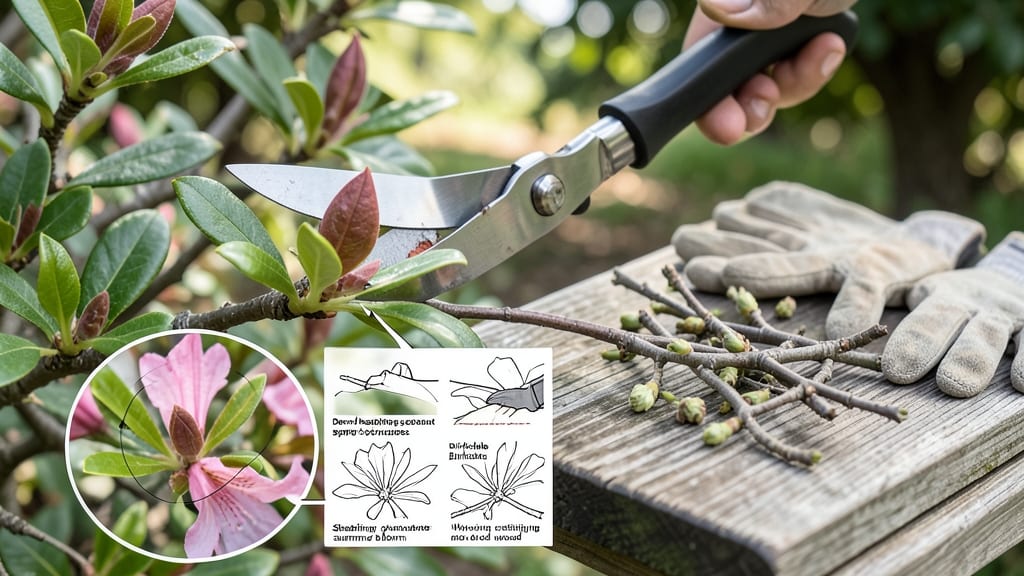
Pruning azaleas that bloom twice a year at the wrong time can mean losing both your spring and fall flowers—here’s how to time it right for maximum blooms every season.
Picture this: You’ve just admired your 🌸 azalea’s vibrant spring display, and now you’re eager to shape it for next year. But if you prune too soon, you might accidentally cut off next fall’s buds. The key is knowing exactly when to trim to keep both bloom cycles thriving.
Most gardeners focus on pruning after spring blooms, but twice-blooming azaleas need a two-step approach. The first cut comes right after the spring flowers fade, while the second happens in late summer to prep for fall blooms. Skip either, and you risk fewer flowers—or worse, no flowers at all.
In this guide, I’ll walk you through the perfect timing, the tools you’ll need, and the critical mistakes to avoid. Whether you’re in USDA Zone 6 or another climate, these tips will help your azaleas put on a show twice a year.
Best pruning times for spring-and-fall-blooming azaleas: avoid these critical mistakes
Twice-blooming azaleas reward you with two stunning flower displays per year—but only if you prune at the right time. Unlike single-blooming varieties, these shrubs need precise timing to set buds for both spring and fall blooms.
Cut too early or late, and you’ll sacrifice next year’s fall flowers for a quick spring cleanup.
Most gardeners make the mistake of pruning right after spring blooms, which removes next year’s fall flower buds already forming on new growth. The secret is a two-step pruning schedule: once in late winter/early spring and again right after fall blooms.
This ensures your azalea keeps its reblooming magic intact.
Why timing matters: Azaleas form flower buds on old wood for spring blooms and on new wood for fall blooms. Pruning at the wrong time can strip away next year’s buds, leaving you with bare branches during one of your bloom seasons.
Here’s the golden rule for twice-blooming azaleas: Never prune after mid-June—this is when fall flower buds begin developing. Even a light trim in summer can ruin your fall display. Let’s break down the exact timing and what to avoid.
The late winter/early spring pruning (February-March) is your chance to reshape the shrub and remove dead or crossing branches. This is when azaleas are dormant, so they won’t waste energy on new growth.
Focus on opening up the center for airflow and sunlight, which prevents fungal diseases like powdery mildew.
After your azalea finishes its fall bloom cycle (typically October-November), do a light pruning to remove spent flowers and any weak or leggy growth.
This encourages the shrub to focus energy on spring buds rather than producing more foliage. Never prune after mid-November, as the plant enters dormancy and won’t recover well from cuts.
One of the biggest mistakes I see is pruning right after spring blooms (April-May). While this might look tidy, you’re removing next year’s fall flower buds that form on new growth. Instead, wait until after the fall blooms to do any significant shaping.
A light cleanup in early summer (June) is acceptable, but avoid heavy pruning—even a single aggressive cut can reduce fall blooms by 50%.
For regional adjustments, gardeners in warmer climates (Zones 8-10) can prune slightly later (March-April for spring and December for fall), while those in cooler zones (4-6) should finish pruning by early November to avoid winter damage.
Always check for new growth before pruning—if you see green tips, wait a few weeks.
Pro tip: Use sharp, clean pruners to make 45-degree cuts just above a bud or branch collar. Avoid leaving stubs, as they invite disease. After pruning, give your azalea a light layer of mulch to protect roots and retain moisture during the critical bud-forming months.
Remember, patience is key with reblooming azaleas. The two-pruning approach might feel counterintuitive, but it’s the only way to preserve both bloom cycles. Next time you’re tempted to tidy up after spring blooms, resist the urge—your fall display will thank you! 🌸
Step-by-step pruning guide: how to trim without sacrificing next year’s flowers
Pruning your twice-blooming azaleas might seem intimidating, but with the right technique, you’ll encourage vibrant spring and fall flowers for years. The key lies in understanding where and when to cut—especially for reblooming varieties that rely on last year’s growth for next year’s blooms.
Start by identifying dead, crossing, or overcrowded branches, as these compete with flower buds for energy.
Use sharp, sterilized pruners to make clean cuts at a 45-degree angle, just above a bud or outward-facing branch. Avoid cutting into old wood, as reblooming azaleas form flower buds on new growth from the previous season.
If you’re unsure whether a branch is old or new, look for green bark—this indicates last year’s growth where buds will form.
⚠️ WARNING: Timing is Everything for Reblooming Azaleas
⚠️ Never Prune After Mid-Summer
Pruning twice-blooming azaleas after July 15 removes next year’s flower buds, which form on new growth during late summer. If you must shape your shrub, do it immediately after the spring bloom (May) or right after the fall bloom (November) before winter dormancy. Wait until buds swell in early spring to confirm no buds were cut.
Begin by removing dead or diseased branches first—they drain energy from healthy growth. Next, thin out overcrowded areas to improve airflow, reducing fungal risks like powdery mildew.
Aim to open the center of the shrub by 20-30% for better light penetration, but never remove more than one-third of the foliage in a single session.
For shaping, focus on outward-facing branches to create a rounded, natural form. Avoid cutting back into old wood (gray or brown bark), as this won’t produce new blooms.
Instead, trim just above a leaf node or bud that faces outward. This encourages horizontal growth, which supports more flower buds.
After pruning, sterilize your tools with rubbing alcohol to prevent spreading disease. Apply a 2-3 inch layer of mulch around the base (but not touching the trunk) to retain moisture and protect roots.
Water deeply to help the shrub recover, and avoid heavy fertilization for 4-6 weeks post-pruning to reduce stress.
Your azalea’s reblooming magic depends on patience—stick to this timing and technique, and you’ll enjoy double the blooms next spring and fall. With practice, you’ll train your eye to spot safe vs. risky cuts like a pro! 🌸