
Pruning
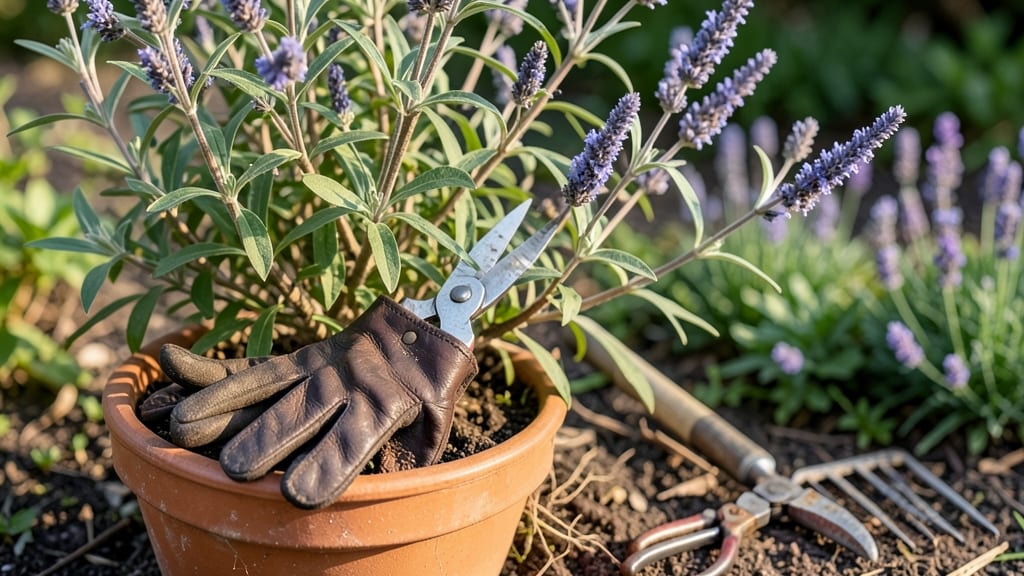
Pruning caryopteris in late summer is the secret to next year’s stunning blue-purple blooms 🌸 — timing this right makes all the difference between a lush shrub and a sad, bare branch.
If your caryopteris—also known as bluebeard—has stopped producing those eye-catching flowers, the issue might be as simple as pruning at the wrong time. A misstep can stunt growth or even kill your plant, but mastering the late-summer technique unlocks a vibrant display the following season.
Most gardeners wait until spring, but that’s when you risk cutting back new growth. The ideal window is actually late summer to early fall, just as the blooms fade. This timing encourages fresh, hardy stems for winter and sets up next year’s flowering cycle.
Below, I’ll walk you through the exact steps—when to cut, how much to trim, and how to shape your caryopteris for maximum impact—so you can enjoy those signature blue blooms year after year.
Optimal late-summer pruning timeline for caryopteris blooms
Late-summer pruning is the secret weapon for revitalizing caryopteris and ensuring vibrant blue blooms next season. Unlike spring pruning, which focuses on shaping, late-summer cuts stimulate new growth before winter dormancy. The ideal window spans late August through early October, aligning with your USDA Zone 6a frost dates.
Timing matters because caryopteris blooms on new wood, meaning pruning too early removes potential flower buds. Wait until after the first frost risk but before hard frosts (typically October 15 in Zone 6a). In warmer zones (7b+), extend the window to mid-November.
Your plant signals readiness through three key signs: yellowing leaves (natural senescence), dormant buds forming, and slowed growth. These indicate it’s preparing for winter—perfect for pruning. Ignoring these cues risks weak regrowth or frost damage.
Regional adjustments are critical. In cooler climates (Zones 5-6), prune by October 1 to avoid late-season growth that won’t harden off. In hotter zones (7b+), delay until November 1 to capitalize on extended warmth.
| Pruning Stage | Action | Climate Zone Adjustments |
|---|---|---|
| Early Late-Summer (Aug 20 - Sep 15) | Remove dead/diseased wood and lightly shape for airflow. | Zones 5-6: Avoid heavy cuts; Zones 7b+: Proceed. |
| Peak Pruning Window (Sep 15 - Oct 15) | Cut back 1/3 of old growth to stimulate new shoots. | Zones 5-6: Finish by Oct 1; Zones 7b+: Extend to Nov 1. |
| Post-Frost (Oct 15 - Nov 15) | Trim only deadwood; avoid fresh cuts. | All zones: Wait until after first frost. |
| Winter Prep (Nov 15 - Dec 31) | Mulch 2-3 inches deep to protect roots. | Zones 5-6: Add extra mulch; Zones 7b+: Minimal needed. |
Prune in morning hours when stems are stiff from cool temps, reducing sap flow. Use sterilized bypass pruners to make clean cuts at 45-degree angles, ¼" above a bud or lateral branch. This encourages outward growth and denser foliage.
After pruning, apply a balanced fertilizer (10-10-10) to support new root development. Water deeply to settle soil around fresh cuts, preventing drought stress. Avoid fertilizing after October to prevent soft new growth vulnerable to frost.
Over-pruning in late summer can stress the plant before winter. Limit cuts to no more than 1/3 of the plant’s volume in a single session. For overgrown caryopteris, split pruning into two sessions: light shaping in August and hard pruning in September.
Monitor your plant post-pruning for yellowing leaves (normal) vs. brown crisp edges (underwatering). If leaves wilt suddenly, increase watering to deep soaks every 7-10 days. In drought-prone areas, mulch with 3 inches of wood chips to retain moisture.
By mastering this late-summer pruning window, you’ll double next year’s blooms while keeping your bluebeard shrub healthy and disease-resistant. The key? Timing, precision cuts, and post-care attention—not just the pruning itself. 🌸
Step-by-step pruning guide: how to revive your caryopteris
Reviving your caryopteris starts with the right pruning technique. This woody shrub thrives when you cut back dead stems and shape it properly, but timing and method make all the difference.
I’ve learned that late summer is the sweet spot—just after blooming—to encourage fresh growth for next year’s stunning blue-purple flowers. Let’s break it down so you can transform your bluebeard into a lush, blooming beauty.
Before you grab your pruning shears, gather your tools: sterilized shears, sharp pruners, gloves, and a bucket for clippings. Safety first! Always disinfect your tools with rubbing alcohol to prevent spreading disease between cuts.
I also recommend wearing gloves to protect your hands from sharp stems and potential irritants. Once you’re ready, follow these steps to prune like a pro and avoid those common mistakes that leave your plant looking sad.
Step-by-Step Pruning Guide for Caryopteris
-
Step 1: Identify Dead or Damaged Wood
Inspect your caryopteris for brown, brittle stems. These are dead branches that need removal. Use your fingers to gently bend stems—if they snap easily, they’re dead. -
Step 2: Cut Back Overgrown Stems
Trim woody stems back by one-third to encourage new growth. Focus on old wood first, as it’s less likely to regenerate. Make cuts just above a leaf node or bud. -
Step 3: Shape for Airflow
Thin out dense areas to improve air circulation. This prevents fungal diseases and helps your plant stay healthy. Aim for an open, rounded shape for a natural look. -
Step 4: Remove Suckers and Weak Growth
Look for suckers (shoots at the base) and weak stems. These compete with your plant for nutrients. Cut them off at the base to redirect energy to stronger growth. -
Step 5: Clean Up and Dispose
Collect all clippings and dispose of them in a sealed bag. Never leave them on the ground, as they can harbor pests or diseases. A quick sanitize of your tools with rubbing alcohol wraps up the process.
After pruning, give your caryopteris some love and care. Water deeply to help it recover, especially if you’ve done a heavy prune. Avoid fertilizing immediately, as new growth needs time to establish.
Instead, wait 4-6 weeks before applying a balanced fertilizer to support recovery. I’ve found that mulching around the base with organic matter helps retain moisture and keeps roots cool.
One of the biggest mistakes I see is pruning at the wrong time. Never trim your caryopteris in early spring or winter, as this removes next year’s flower buds.
Late summer is your best bet because it allows your plant to harden off before winter and prepares it for spring blooms. Another common error is cutting too aggressively—stick to one-third of the plant’s height to avoid stressing it.
If your caryopteris looks leggy or overgrown, don’t panic. A rejuvenation prune in late summer can bring it back to life. Just remember: patience is key.
It may take a season or two for your plant to bounce back, but with the right care, you’ll be rewarded with vibrant blooms next year. Happy pruning!