
Pruning
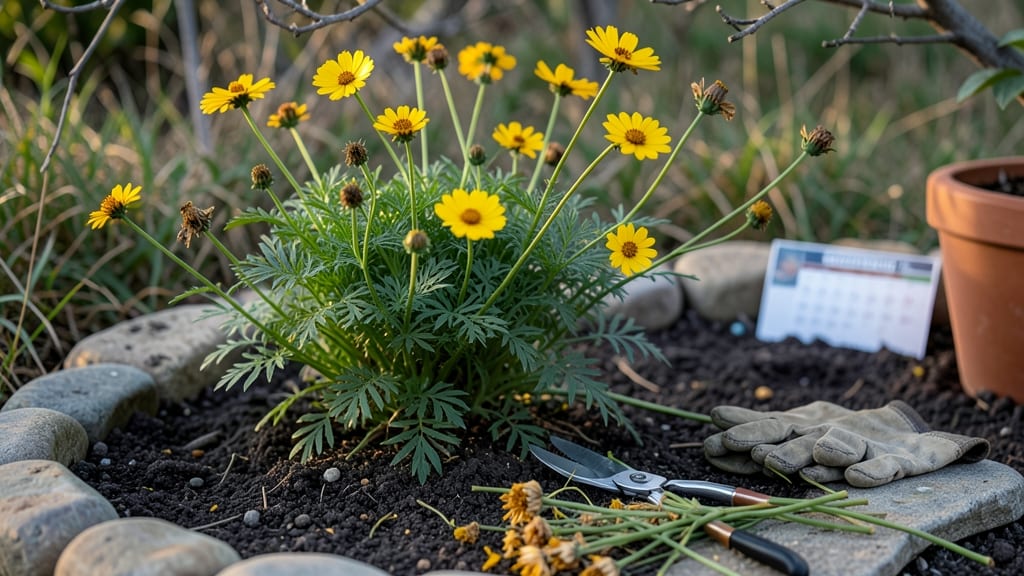
To prune Coreopsis at the right time means cutting back in late winter—just as new growth starts peeking through the soil in February or March.
Struggling to keep your Coreopsis blooming abundantly all summer? Timing your prune could be the game-changer you need—get it wrong, and you risk stunted growth or missed blooms entirely.
This isn’t just about hacking back dead stems; it’s about encouraging stronger, bushier plants that reward you with longer summer blooms. In colder climates like Zone 6a, wait until after the last frost, while warmer regions can start earlier.
Below, I’ll walk you through the exact steps, from identifying the best time to prune to shaping your Coreopsis for maximum impact—plus how to avoid common mistakes that leave your plants looking ragged.
Optimal late winter pruning timeline for coreopsis
Timing your coreopsis pruning in late winter is the secret to longer summer blooms and healthier plants. Unlike spring pruning, late winter cuts—typically in February or March—target dormant stems while the plant is still resting. This approach removes dead growth and encourages fresh, vibrant foliage just as spring arrives.
The key is understanding your local frost patterns. Prune after the last expected frost date in your USDA zone, but before new growth appears.
For most regions, this falls between mid-February and early March. In colder zones (below 6a), wait until mid-March to avoid damaging tender new shoots.
Here’s how to identify the perfect time: Look for brown, crispy stems that snap easily when bent. These are dead stems ready for removal. Avoid pruning if you see green buds or tender shoots—this signals the plant is waking up and needs to be left alone until spring.
If you’re unsure about frost dates, use a simple trick: Check the soil temperature—it should be consistently above 40°F (4°C) for at least a week. Cold soil can shock the plant, so patience is key.
In warmer climates (zones 8b and above), you can prune as early as January, but still avoid cutting into live growth.
Why does timing matter so much? Pruning too early in winter can expose the plant to frost damage, while pruning too late—after growth starts—removes potential blooms. The goal is to reset the plant for a stronger, more productive summer.
Think of it like giving your coreopsis a fresh start before the growing season kicks in.
| Climate Zone | Ideal Pruning Window | Key Signals to Prune | Avoid Pruning If... |
|---|---|---|---|
| Zones 3-5 (Cold) | Mid-March to early April | Brown, brittle stems; soil >40°F | Green shoots appear |
| Zones 6-7 (Temperate) | Late February to March | Dead stems; last frost passed | Frost predicted in 10 days |
| Zones 8-9 (Mild) | January to February | Dormant appearance; no new growth | Bud swell visible |
| Zones 10+ (Warm) | December to January | Stems dry and hollow | Any green growth |
Once you’ve identified the right time, focus on removing only dead stems. Use clean, sharp pruning shears to cut 1/3 of the plant’s height at a 45-degree angle, about 1/4 inch above a leaf node.
This encourages bushier growth and more flowering stems in summer. Avoid heavy pruning—coreopsis is a perennial that thrives with gentle reshaping.
After pruning, add a 2-inch layer of mulch around the base to insulate roots and retain moisture. This step is especially important in dry climates or if you’ve pruned early in the season. Mulch also suppresses weeds, reducing competition for nutrients as your coreopsis recovers.
In the weeks following your late winter prune, monitor your coreopsis for new growth signals. Look for green shoots emerging from the base—this confirms your timing was correct.
If growth is slow, apply a light fertilizer (5-10-10 ratio) in early spring to support recovery. Avoid heavy feeding immediately after pruning, as this can stress the plant.
Remember, late winter pruning isn’t just about cleaning up your garden—it’s a growth strategy. By removing old stems when the plant is dormant, you’re redirecting energy toward stronger roots and more abundant blooms.
With the right timing, your coreopsis will reward you with vibrant flowers from June through September.
For container-grown coreopsis, the same rules apply, but be extra cautious with root disturbance. Prune at the same time as in-ground plants, but avoid
Step-by-step coreopsis pruning guide for maximum blooms
Pruning your coreopsis at the right time and with the right technique transforms a scraggly plant into a bloom-packed summer star. The key? Cutting back dead stems in late winter while leaving healthy growth intact. This encourages fresh, vigorous shoots that burst into bright yellow or pink blooms by June.
I’ve pruned coreopsis for years, and the difference between a well-shaped plant and one that flops is all in the timing and technique. Start too early, and you’ll stunt new growth.
Wait too long, and you’ll miss the prime window for maximum flowering. Let’s break this down into simple steps so your coreopsis thrives all season.
When to Prune Coreopsis
- Step 1: Wait until late winter (February-March in most zones) when new growth appears but before active blooming starts.
- Step 2: Check for frost-free nights—prune after the last expected frost in your area to avoid damaging tender new shoots.
- Step 3: For perennial varieties, cut back dead stems to 1/3 of their height (about 6-12 inches tall) to encourage bushier growth.
- Step 4: Use clean, sharp pruners to make 45-degree cuts just above a leaf node or healthy bud.
- Step 5: Remove any yellow or mushy stems—these won’t regrow and can harbor disease.
🌱 Pro Tip: Mulch after pruning to retain moisture and protect new growth.
Once you’ve cut back the dead stems, focus on shaping your coreopsis for optimal airflow. Thin out crowded stems in the center to reduce fungal risks and let sunlight reach the inner foliage.
This is also the perfect time to remove any weak or crossing branches that compete for nutrients.
After pruning, give your coreopsis a light fertilizer (like a 5-10-10 blend) to jumpstart new growth. Water deeply but avoid overwatering, as soggy soil can rot fresh cuts. Within weeks, you’ll see lush green shoots and, soon after, a flurry of summer blooms.
If your coreopsis is annual, prune it lightly in early summer to encourage continuous flowering. Simply snip off spent blooms at the base—this trick works wonders for extending the blooming season until frost.
Remember, the goal is to encourage new growth, not to strip the plant bare. With the right cuts and timing, your coreopsis will reward you with vibrant blooms from June through September. Happy pruning! 🌼