
Pruning
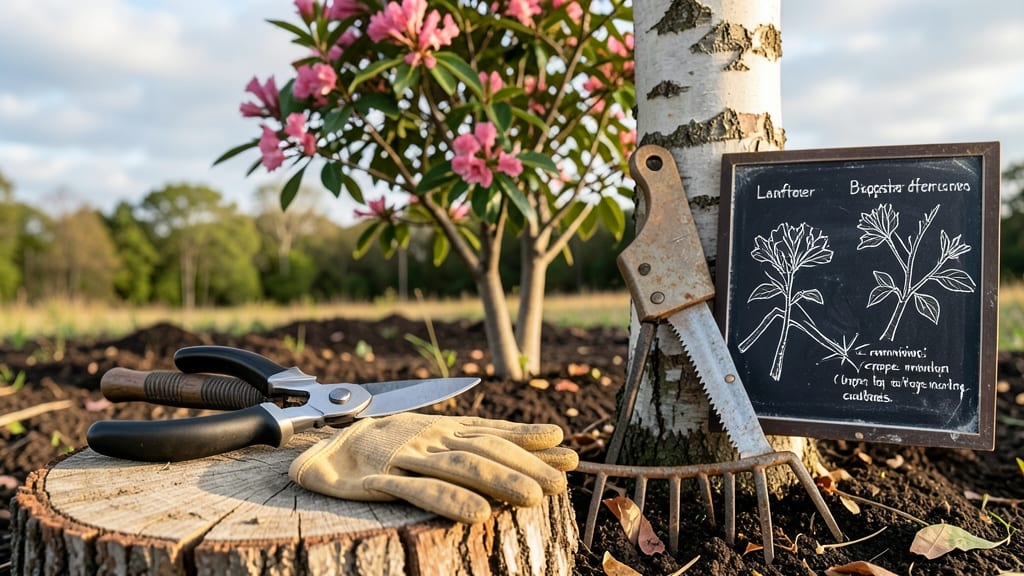
Pruning crape myrtle in Texas at the right time ensures bold summer blooms and keeps your trees healthy—late winter is the key to avoiding the dreaded "crape murder" look.
Texas gardeners know the frustration of pruning too early and ending up with bare branches or too late and missing the bloom cycle. The sweet spot is after the last frost but before buds swell, which for most of the state means February to early March.
Why does timing matter so much? Crape myrtles (🌸) store energy in their branches, and pruning at the wrong time can strip them of the fuel they need for those stunning summer flowers. In Texas’s mild winters, the window is narrower than you might think.
Below, I’ll break down the exact signs to look for—like bud swell and frost timing—plus how to prune correctly to keep your crape myrtles thriving without overdoing it.
Best late winter pruning time for Texas crape myrtles
Texas crape myrtles (Lagerstroemia) burst into color every summer, but their performance starts with late winter pruning. The key window is February to early March, when dormant buds swell but before spring growth begins. This timing ensures vibrant blooms while avoiding frost damage or stunted growth.
Texas' diverse climate zones—from North Texas (Zone 8a) to South Texas (Zone 10b)North Texas, prune after the last average frost date (mid-February). In South Texas, where winters are milder, aim for late January to February before warm spells trigger growth.
Look for these visual cues to confirm the perfect moment: buds are plump but unopened, and no green shoots are visible. Pruning too early risks frost damage to fresh cuts, while waiting too long encourages weak, leggy growth.
Texas' unpredictable weather adds complexity. Check the National Weather Service for frost-free forecasts 3–5 days before pruning. If a late frost is predicted, delay until after the 14-day safe window to protect fresh cuts.
Dormancy is your best friend. Prune when the tree is fully dormant but buds are active. This ensures energy goes to new blooms, not recovery. Avoid pruning in summer, as it removes next year’s flower buds and stresses the tree.
For young crape myrtles (under 3 years), focus on removing dead wood and shaping. Mature trees benefit from structured pruning to maintain their natural vase shape. Never remove more than 25% of the canopy in one season to prevent shock.
Missed the window? Don’t panic. Light pruning can occur in early spring, but avoid heavy cuts after April 1. Summer pruning is only for safety or disease control, never for shaping.
Pro tip: Use sterilized pruners to prevent bacterial infections. Wipe blades with rubbing alcohol between cuts, especially on diseased branches. Seal larger cuts with pruning sealant to speed healing.
Timing your prune right means bold summer blooms and a tree that thrives through Texas’ hot, dry summers. Mark your calendar now—your crape myrtle’s next show starts with this late winter cut! 🌸
How to prune crape myrtles correctly: step-by-step guide
Pruning your crape myrtle properly ensures vibrant blooms and strong growth, but Texas gardeners often make mistakes that weaken their trees. Start by removing dead or diseased branches first—they sap energy and invite pests.
Use sharp, clean pruners to make 45-degree cuts just above a leaf node or bud. This encourages healthy regrowth and maintains the tree’s natural shape.
Next, focus on structural pruning to open the canopy for better airflow and sunlight penetration. Aim to remove no more than 25% of the tree’s foliage in one session—over-pruning stresses the plant and reduces summer blooms. Thin out crossing branches and those growing inward to create a balanced silhouette.
For Texas crape myrtles, avoid heavy pruning in summer, as this can stimulate weak, leggy growth. Instead, limit yourself to light shaping after the first flush of flowers if needed. Always prune just above a bud or branch collar to promote faster healing and minimize disease risk.
⚠️ callout warning
Pruning crape myrtles too early in Texas winters (before last frost dates) exposes fresh cuts to cold damage. Wait until late February or early March in North Texas or January–February in South Texas when new growth risks are lowest. Over-pruning in summer causes weak, sparse blooms—avoid "crape murder"!
Use a three-step pruning approach: First, remove dead wood; second, thin out crowded branches; third, shape the tree for aesthetics. For large crape myrtles (15+ feet), consider using a pole saw for high branches, but always wear gloves to protect against thorns.
Never leave stubs—this invites disease and weakens the tree.
After pruning, apply a light layer of mulch around the base to retain moisture and regulate soil temperature. Water deeply but avoid soaking the pruning wounds. In West Texas, where drought is common, reduce watering slightly post-prune to encourage root strength.
Monitor for aphids or powdery mildew—common after pruning—and treat early if spotted.
For dwarf varieties like 'Arapaho' or 'Centennial Spirit,' prune more lightly—focus on removing only dead wood and shaping to maintain their compact form. These varieties bloom on new wood, so avoid heavy cuts that reduce next year’s flowers.
Always step back and assess your work—your goal is a natural, balanced shape, not a perfectly manicured look.
Finally, sterilize your pruners with rubbing alcohol before and after use to prevent spreading disease. Store tools in a dry place to keep them sharp and ready for next year’s late-winter pruning. With these steps, your Texas crape myrtle will reward you with bold, long-lasting blooms all summer long! 🌸