
How To
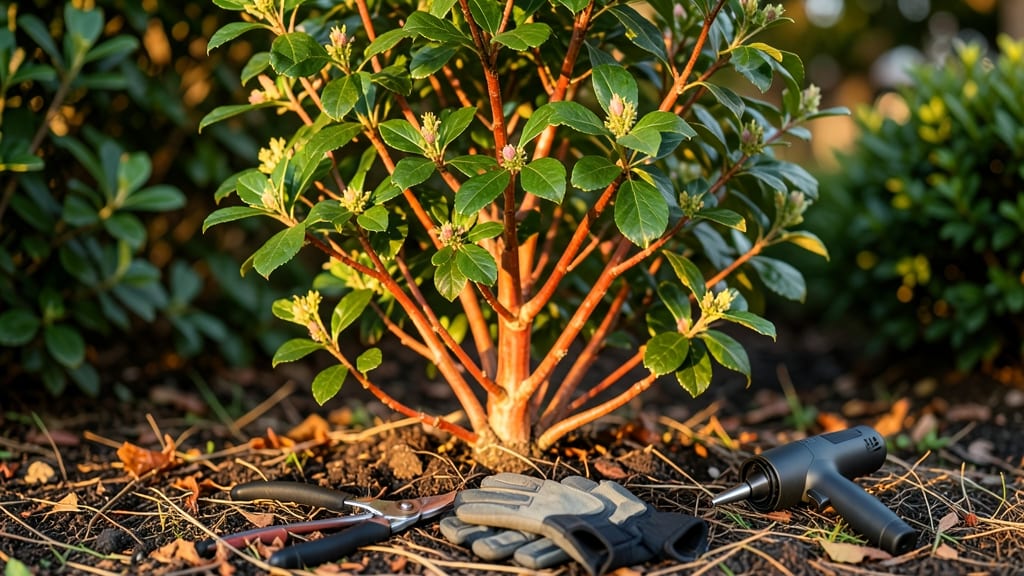
To prune euonymus at the right time means the difference between scraggly stems and a lush, bushier shrub bursting with summer color 🌿.
Struggling to keep your euonymus looking its best? Timing your cuts is everything—prune too early, and you risk stunting new growth; too late, and you miss the chance to shape it for the season ahead.
For zone 6a gardeners, the ideal window opens in late winter—February or March—just as buds swell but before spring’s first flush of leaves. This timing lets you trim back overgrowth while avoiding dormancy risks.
Below, I’ll walk you through the exact steps, from tools to techniques, plus how to adjust for milder climates where late-winter pruning might feel too early. Ready to transform your euonymus into a thriving focal point?
Best time to prune euonymus for optimal growth and flowering
Pruning your euonymus shrubs at the right time can transform them from leggy and sparse to full and vibrant. The best window for pruning is late winter, specifically between February and March, just as new growth begins but before buds swell.
This timing avoids dormancy risks while stimulating fresh shoots that will thicken your shrub’s structure for summer.
Why late winter? Pruning too early in winter risks damaging tender new growth from cold snaps, while waiting until spring may cut off flower buds. The ideal late-winter prune gives your euonymus a head start on the growing season, encouraging bushier foliage without sacrificing next year’s blooms.
For cold climates (USDA Zones 3-5), delay until early March to avoid frost damage.
Regional adjustments matter: In mild climates (Zones 7-10), you can prune as early as late January, but always wait until the last frost date has passed. If you’re unsure, use your local frost calendar—euonymus thrives when pruned just before active growth resumes.
Late Winter Pruning Summary
| Timeframe | Climate Zone | Key Goal | Avoid |
|---|---|---|---|
| Late February–Early March | Zones 6-9 | Stimulate new growth | Pruning after buds swell |
| Early March | Zones 3-5 | Rejuvenate dormant shrubs | Cold damage to cuts |
| Late January–Early February | Zones 7-10 | Shape for spring blooms | Over-pruning weak stems |
Pruning in late winter also reduces disease risk by removing dead or diseased branches before fungal spores spread in spring. Focus on thinning out crowded stems—this improves air circulation and sunlight penetration, which are critical for euonymus health.
Aim to remove no more than 25-30% of the shrub’s total volume in one session to avoid stress.
If your euonymus has overgrown significantly, you can do a gradual rejuvenation prune over two years. In the first year, cut back one-third of the oldest stems to the ground, then prune the remaining stems lightly in late winter of the following year.
This method prevents shock while encouraging new, vigorous growth.
For flowering euonymus varieties like Euonymus alatus or Euonymus fortunei, timing is even more critical. These types bloom on old wood, meaning last year’s growth produces this year’s flowers.
Prune immediately after flowering (late spring) to shape without sacrificing blooms. But for non-flowering varieties, late winter is your only pruning window.
Before you prune, sterilize your tools with rubbing alcohol to prevent spreading bacterial or fungal infections. Use sharp, bypass pruners for clean cuts and a loppers for thicker branches. Always cut just above a bud or side branch at a 45-degree angle to encourage healing and new growth.
After pruning, water deeply to help the shrub recover and apply a balanced fertilizer (10-10-10) in early spring to support new growth. Mulch around the base with 2-3 inches of organic mulch to retain moisture and regulate soil temperature. This post-pruning care ensures your euonymus bounces back stronger than ever.
Watch for new shoots emerging within 4-6 weeks of pruning—a sure sign your timing was perfect! If you miss the late-winter window, avoid pruning in fall or early spring, as this can stunt growth or remove next year’s flower buds.
With the right timing, your euonymus will reward you with dense foliage and stunning seasonal color all year.
Step-by-step late winter pruning guide for euonymus shrubs
Late winter is the perfect time to refresh your euonymus shrubs and encourage bushier growth for the coming season. This is when your plants are still dormant but ready to burst into new life—making it ideal for structural pruning without stressing the plant.
Whether you're shaping a hedge or rejuvenating an overgrown specimen, follow these steps to keep your euonymus thriving.
Before you begin, gather your tools: sharp bypass pruners, loppers for thicker branches, and disinfectant to prevent disease spread. Work on a dry, sunny day when the branches are easier to see and cut cleanly.
Remember, euonymus responds well to pruning, but avoid cutting more than one-third of the plant in a single session to prevent shock.
⚠️ CRITICAL: Never prune euonymus after it flowers, as you’ll remove next year’s blooms. Late winter is the only safe window for heavy pruning.
Start by cutting out any dead, broken, or diseased branches at the base. Look for branches with blackened tips or peeling bark—these won’t recover. Use clean, sharp tools to make 45-degree cuts just above a bud or lateral branch.
Select branches that are rubbing against each other or growing inward. Cut these back to the main stem to improve airflow and reduce disease risk. Aim to remove no more than 20% of the plant’s total branches in this step.
Use your pruners to trim back overgrown branches to maintain your desired shape. For formal hedges, cut the outer growth to encourage dense, even growth. For natural shapes, focus on removing branches that disrupt the plant’s balance.
Look for areas where branches are too dense or blocking sunlight from reaching the center. Thin these out by cutting select branches back to the trunk. This step is crucial for preventing fungal issues and encouraging healthier foliage.
After pruning, clean up all debris from the ground. Wipe down your tools with rubbing alcohol to prevent the spread of bacterial or fungal spores. Apply a balanced fertilizer (10-10-10) around the base to support new growth.
For older euonymus shrubs that need rejuvenation, you can prune back one-third of the oldest stems to the ground. This encourages new shoots from the base, giving your shrub a youthful boost. Just be patient—it may take a season or two to fully recover its shape.
After pruning, give your euonymus a deep watering to help it recover. Monitor the plant closely in the weeks following pruning for any signs of stress or disease.
If you notice yellowing leaves or wilted branches, adjust your watering or check for pests like scale insects or aphids.
With these steps, your euonymus shrubs will reward you with vibrant foliage and compact growth all season long. Happy pruning! ✂️🌿