
Pruning
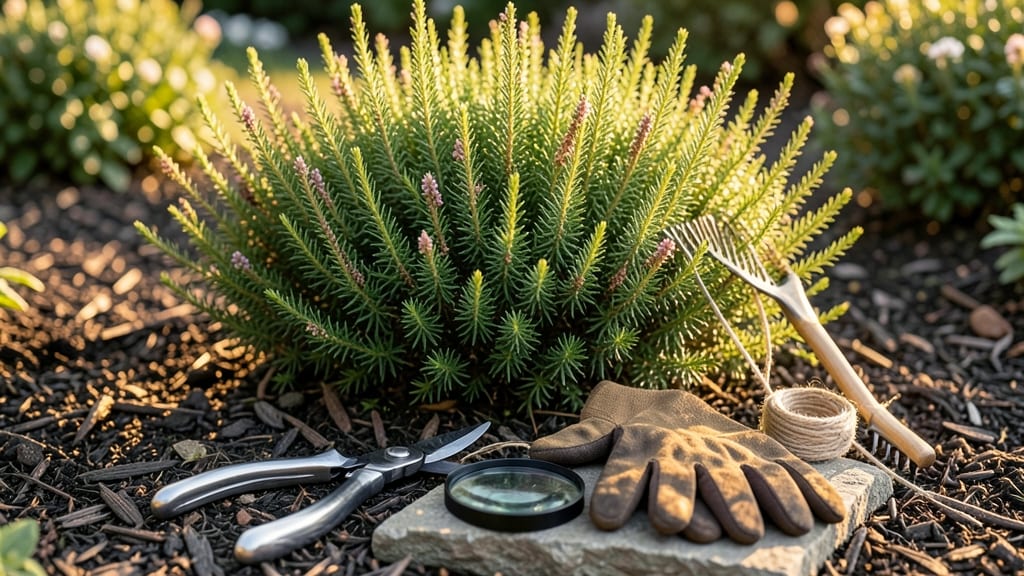
To prune heather bushes at the right time means more blooms next season and a healthier plant 🌿 — and late winter is your best window for shaping them.
Pruning your heather bushes at the wrong time can mean fewer blooms next season—or even losing them entirely. Timing is everything, and late winter is the perfect window to shape your heather for a spectacular spring display.
Most gardeners wait until after flowering, but that’s too late for heather. Instead, focus on cutting back old growth in late winter before new shoots emerge. This encourages fresh, vibrant blooms and keeps your shrub compact and tidy.
Below, I’ll break down the exact months to prune based on your climate zone, how to tell when it’s safe to cut, and the tools you’ll need for a clean, precise trim.
Best late winter pruning timeline for heather bushes
Pruning heather bushes in late winter is your best bet for encouraging lush, vibrant blooms next season. This is when Calluna and Erica varieties enter dormancy, making them resilient to pruning while avoiding damage to new growth.
The key is timing it just before spring shoots emerge—typically between February and early March in most U.S. zones.
But here’s the catch: Climate zones shift this window. Northern growers (USDA zones 3-6) should prune in late February to March, while southern gardeners (zones 7-9) can wait until mid-March to April.
The goal is always the same: shape the bush and remove old wood before new growth starts.
Why late winter? Pruning now prevents overcrowded stems, which can reduce flowering. It also removes dead or diseased branches that would otherwise sap energy from your heather. Plus, the dormant state means less stress on the plant.
🌿
| Region | Best Pruning Window | Key Cue | Notes |
|---|---|---|---|
| Northern U.S. (Zones 3-6) | Late February - Early March | Before buds swell | Avoid pruning if frost is forecasted |
| Southern U.S. (Zones 7-9) | Mid-March - Early April | First signs of new growth | Wait until after last frost |
| All Regions | Avoid pruning after flowering | Never prune in fall or winter | Spring-flowering varieties need late winter pruning |
For spring-flowering heathers (like Calluna vulgaris), prune in late winter to encourage dense new growth for next year’s blooms.
If you miss this window, you risk cutting off next season’s flowers before they form. Autumn-flowering varieties (like Erica carnea) should be pruned immediately after flowering in late fall, but late winter is still ideal for shaping.
Look for green shoots emerging from the base of your heather—this is your pruning trigger. If you see tender new growth, it’s time to act. Delaying too long means you’ll be pruning active growth, which can stress the plant and reduce flowering potential.
In cooler climates, like the Pacific Northwest or New England, aim for late February to early March. Warmer areas, such as California or Florida, can wait until March or even April.
The rule of thumb? Prune when the ground is thawed but before leaf buds burst open.
Pro tip: Divide heather bushes during late winter pruning if they’ve become overcrowded. This rejuvenates the plant and gives you free new plants for your garden. Just be gentle—heather roots are delicate and can bleed sap if handled roughly.
After pruning, water deeply to help the plant recover. Avoid heavy fertilizer right away—wait until spring when new growth is established. A light mulch around the base will protect roots from temperature swings and retain moisture.
✂️
How to prune heather bushes: step-by-step techniques for full blooms
Pruning heather bushes isn't just about shaping—it's about encouraging lush blooms for next season. The key is timing and technique, especially when dealing with Calluna (spring-flowering) and Erica (autumn-flowering) varieties. Over-pruning can stunt flowering, while proper cuts promote dense growth and vibrant colors.
Before you grab your shears, know that creeping heathers need gentler cuts than upright varieties. For example, 'Golden Fleece' (creeping) should stay low, while 'Silver Star' (upright) can handle taller shaping. The goal? Remove 1/3 of old growth while preserving the bush’s natural form.
Step-by-Step Pruning Guide for Heather Bushes
- 1 Wait for late winter dormancy (February–March in most zones). Prune before buds swell but after hard frosts. This ensures you’re cutting last year’s dead wood, not new growth.
- 2 Gather tools: Sharp bypass pruners (for clean cuts), hand pruners (for detail work), and gloves (heather spines are sharp!). Disinfect tools with rubbing alcohol to prevent disease.
- 3 Cut back old wood by 1/3 of the plant’s height. Look for woody stems (gray/brown) and trim just above a new green shoot. Avoid cutting into old wood—this kills blooming potential.
- 4 Shape creeping varieties by trimming just above the lowest foliage. For upright heathers, thin out dense centers to improve airflow. Never shear into a flat top—this causes leggy growth.
- 5 Deadhead spent blooms (if pruning after flowering). For autumn-flowering Erica, wait until spring to prune. For spring-flowering Calluna, deadhead right after blooms fade to encourage reblooming.
- 6 Fertilize lightly after pruning with balanced 10-10-10 fertilizer. Water deeply to help roots recover. Avoid heavy fertilizer—heathers prefer lean, acidic soil.
For upright varieties, like 'Firefly', you can trim taller stems to maintain a rounded shape.
Use your hand as a guide: if you can’t see light through the center, it’s time to thin out. Creeping heathers, such as 'Sunset Glow', should stay low and sprawling—never cut into the ground-level foliage.
One common mistake? Pruning too late in spring. If you wait until new growth appears, you’ll cut off next year’s flowers. Always prune before buds swell—this is your one-shot window for shaping.
And remember: heathers bloom on old wood, so never cut into last year’s growth.
After pruning, mulch with pine needles to retain moisture and acidify the soil, which heathers love. This also suppresses weeds and keeps the base cool and damp—perfect for recovery. With the right cuts, your heather will rebound with twice as many blooms next season! 🌿✂️🌸