
Pruning
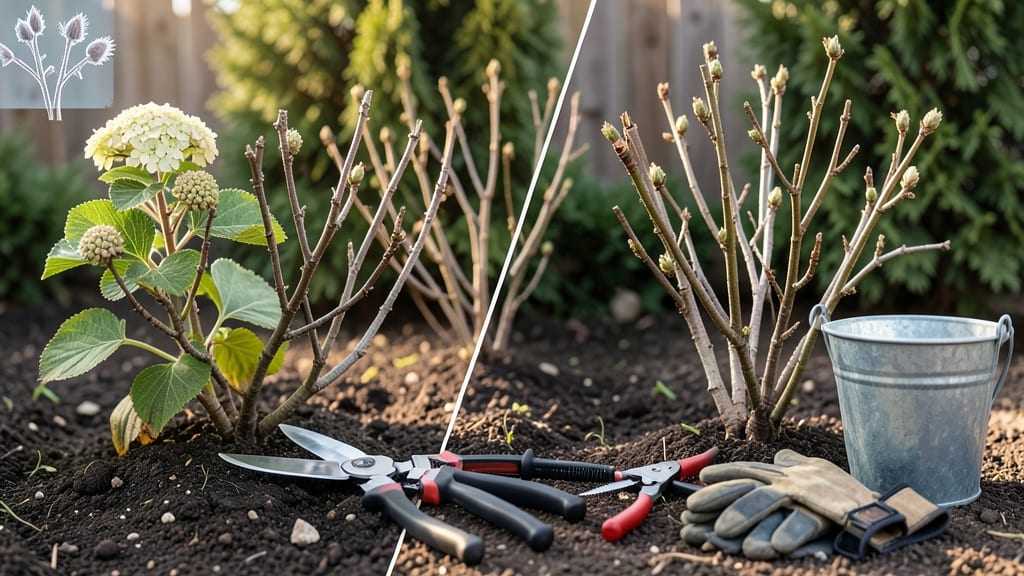
Pruning hydrangeas in Georgia at the right time ensures summer blooms that steal the show—just don’t wait until spring, or you’ll miss the late-winter window that makes all the difference.
Picture this: You’ve spent months admiring your 🌸 hydrangeas, but after pruning too early, they throw out leafy growth instead of flowers. That’s because Georgia’s 7b-8b climate demands precision—cut too soon, and you sacrifice blooms; too late, and you risk frost damage.
Most gardeners in Georgia prune between February and early March, right after the last frost date but before buds swell. This timing works for bigleaf varieties like 'Endless Summer,' but panicle and oakleaf hydrangeas have their own rules—like pruning in late winter for next year’s flowers.
Below, I break down the exact month-by-month schedule for each type, plus how to tell if you’ve pruned at the perfect moment (or just made a costly mistake). Ready to transform your hydrangeas into a summer spectacle?
Best late-winter pruning timeline for Georgia hydrangeas (by variety)
Georgia’s mild winters and warm springs make late-winter pruning critical for hydrangeas—but the wrong timing can mean missed blooms or even plant stress. Unlike northern climates, Georgia’s USDA zones 7b-8b allow pruning later, but you must account for early bloomers like mopheads versus late-season varieties like panicles.
The key? Prune after last frost (typically March 15) but before bud break.
Not all hydrangeas bloom on the same wood. Mophead and bigleaf varieties (like 'Nikko Blue') produce flowers on old wood, while panicle and oakleaf types (like 'Limelight') bloom on new wood.
This difference changes your pruning window dramatically. For example, cutting back a mophead too early removes next year’s blooms entirely, while panicles thrive with aggressive late-winter cuts.
Georgia’s humidity and variable frost dates (some years frost lingers into April) add complexity. If you prune too early and a late frost hits, your cuts won’t heal properly.
Conversely, waiting too long risks bud break before you’ve shaped the plant. The solution? Monitor your local frost-free date and adjust by 1-2 weeks based on your hydrangea type.
| Hydrangea Type | Pruning Window | What to Cut | Why This Timing |
|---|---|---|---|
| Mophead (Bigleaf) | Late February–March 15 (after last frost) | Dead/damaged stems only; never cut back old wood | Flowers form on previous year’s wood; aggressive cuts remove blooms. |
| Panicle (e.g., 'Limelight') | March 15–April 15 (after buds swell) | Cut back by 1/3 to 1/2; remove weak stems | Blooms on new wood; later pruning = bigger flowers. |
| Oakleaf (e.g., 'Snow Queen') | March 15–April 1 (early spring) | Light shaping; remove crossing branches | Blooms on old and new wood; avoid heavy cuts. |
| Smooth (e.g., 'Annabelle') | March 1–March 15 (before buds break) | Cut back by 1/2 to 2/3; thin center | Blooms on new wood; early pruning = stronger growth. |
For mophead hydrangeas, the late-February to March 15 window is non-negotiable. These varieties rely on last year’s growth for blooms, so pruning too late risks removing next season’s flowers.
Focus only on dead or diseased stems—never cut back healthy wood. If you’re unsure whether your hydrangea is a mophead, check for large, rounded blooms that resemble pom-poms.
Panicle hydrangeas (like 'Little Lime' or 'Grandiflora') are far more forgiving. Their March 15–April 15 window allows you to prune later because they bloom on new growth. This is why many Georgia gardeners prefer them—they reward bold pruning with larger, more abundant blooms. Just avoid cutting after April 15, or you’ll stunt next year’s flowers.
Oakleaf hydrangeas are the most adaptable for Georgia’s climate. Since they bloom on both old and new wood, you can prune them slightly later (March 15–April 1) without risking lost blooms.
Their distinctive oak-like leaves also make them easier to identify. Light shaping in early spring encourages airflow and sunlight penetration, reducing fungal issues common in Georgia’s humidity.
If you’re in northern Georgia (Zone 7b), where frosts can linger into April, err on the earlier side of the pruning window. For southern Georgia (Zone 8b), where mild winters are the norm, you can safely prune up to April 15 for panicle types.
Always check your local National Weather Service for frost predictions—this is your best tool for adjusting timing.
One common Georgia mistake is pruning mopheads in spring after buds have already formed. By then, it’s too late to save next year’s blooms. Another pitfall? Using dull shears, which crush stems and invite disease.
Invest in sharp, bypass pruners and disinfect them with rubbing alcohol between cuts to prevent bacterial spread.
After pruning, mulch heavily around the base (3–4 inches of organic mulch) to protect roots from Georgia’s temperature swings. Water deeply once a week to encourage new growth, but avoid overwatering, which can drown roots in our clay-heavy soils.
By following these variety-specific timelines, your hydrangeas will burst into summer blooms with minimal stress.
Pro tip: Snap a photo
Step-by-step guide: how to prune hydrangeas in Georgia (with mistakes to avoid)
Pruning hydrangeas in Georgia’s climate requires precision—cut too early, and you risk removing next year’s blooms. Cut too late, and you miss the ideal window for late-winter growth.
The key is understanding your hydrangea’s wood type (old vs. new) and acting when dormant buds are visible but before new shoots emerge.
Most Georgia gardeners make one of two mistakes: pruning bigleaf hydrangeas (like 'Endless Summer') after buds form, or shearing panicle or oakleaf varieties at the wrong time. Let’s fix that with a foolproof method tailored to Georgia’s USDA zones 7b-8b and humid summers.
⚠️ Critical Pruning Window for Georgia
When: Late February to mid-March (after last frost, before buds swell).
Why: Georgia’s mild winters mean buds can wake up early—prune too late, and you’ll cut off potential blooms.
Exception: Panicle hydrangeas (like 'Limelight') can handle early spring pruning (Jan-Feb) since they bloom on new wood.
Start by identifying your hydrangea’s wood type. Bigleaf and mophead varieties (e.g., 'Nikko Blue') bloom on old wood, so never cut back last year’s stems.
Instead, trim only dead or crossing branches and shape lightly. Panicle and smooth hydrangeas (e.g., 'Annabelle') bloom on new wood, so you can prune more aggressively in late winter.
Use clean, sharp pruners to make 45-degree cuts just above a bud or lateral branch. Avoid leaving stubs—this invites disease in Georgia’s humid air. For bigleaf types, remove only 10-20% of the plant’s oldest stems to maintain structure.
For panicle types, cut back half the stems to encourage bushier growth and larger blooms.
After pruning, apply a 2-inch layer of mulch around the base to retain moisture and regulate soil temperature—a must in Georgia’s hot summers. Water deeply but avoid overhead watering, which can spread fungal diseases like powdery mildew, common in our climate.
Fertilize lightly with a balanced 10-10-10 formula in early spring to support new growth.
Watch for these pruning red flags: No blooms next season? You likely pruned old wood bloomers too aggressively. Yellowing leaves or stunted growth? You may have cut into healthy stems or used dirty tools. Georgia’s humidity makes hydrangeas vulnerable—always sterilize your pruners with rubbing alcohol between cuts.