
How To
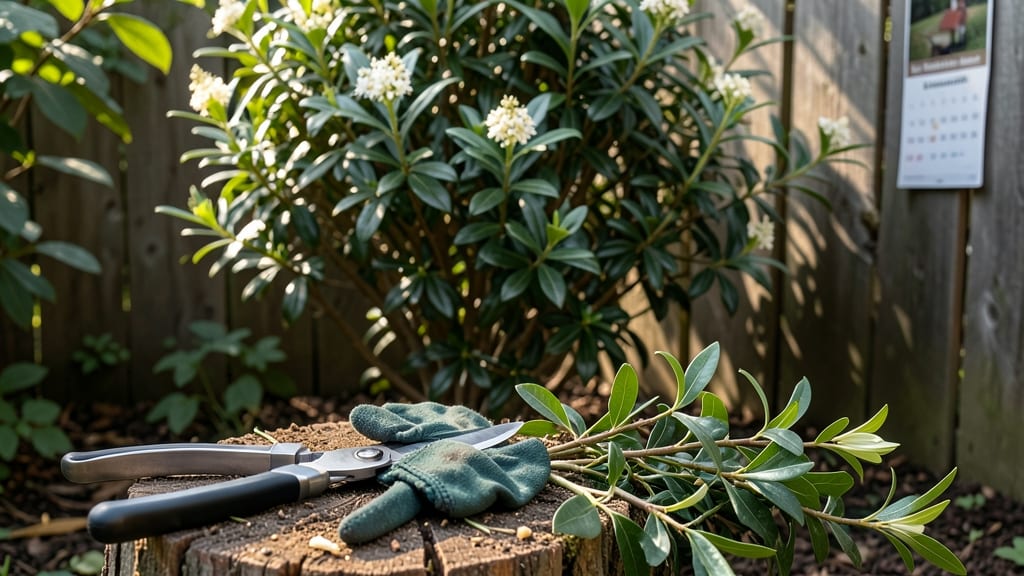
To prune Ligustrum for the thickest, thorn-free growth, aim for late winter just as new buds swell—but before leaves appear.
Struggling with thorny, overgrown Ligustrum 🌿 bushes that spoil your landscape? Timing your prune just right can transform them into dense, thorn-free privacy screens—without sacrificing their natural beauty.
This is the key to avoiding leggy growth or dead wood: prune too early, and you risk frost damage; wait too long, and you encourage wild, thorny branches. In USDA Zone 6a, that window is tight—typically February to early March—but warmer climates may shift it slightly.
Below, I’ll walk you through the exact steps, tools, and seasonal adjustments to keep your Ligustrum lush, healthy, and free of those pesky thorns all year.
Best time to prune ligustrum for optimal growth: late winter pruning explained
Pruning your ligustrum bushes at the right time can make all the difference between a dense, thorn-free hedge and a wild, unruly mess. The best time to prune ligustrum is during late winter, just as the plant emerges from dormancy but before new growth begins.
This timing harnesses the plant's natural energy, encouraging denser foliage and reducing the development of thorny branches.
Scientifically, late winter pruning works because ligustrum stores energy in its roots during dormancy. When you prune before growth resumes, the plant redirects its energy toward producing new, healthy shoots rather than supporting weak or thorny growth.
This approach also minimizes stress on the plant, allowing it to recover quickly and thrive throughout the growing season.
The ideal pruning window spans from mid-to-late February through early March, depending on your USDA zone. In colder regions (zones 4-6), wait until after the last frost but before buds swell.
In warmer zones (7-10), you can prune slightly later, around late February to early March, to avoid encouraging early growth that could be damaged by unexpected cold snaps.
| Climate Zone | Ideal Pruning Time | Key Consideration |
|---|---|---|
| USDA Zones 4-6 | Mid-to-late February | Wait until after last frost to avoid cold damage. |
| USDA Zones 7-9 | Late February to early March | Prune before buds break to encourage dense growth. |
| USDA Zone 10+ | Early February | Avoid pruning too late; warm winters can trigger early growth. |
| Mild Winter Regions | January to early February | Prune early to prevent leggy growth from extended mild weather. |
One of the biggest benefits of late winter pruning is its ability to prevent thorn development. Ligustrum naturally produces thorns when it experiences stress or overcrowding.
By pruning in late winter, you remove old, woody branches that could otherwise encourage thorny growth, while also promoting the growth of new, non-thorny shoots from the base of the plant.
To ensure your ligustrum responds well to pruning, focus on removing one-third of the oldest wood each year. This practice maintains the plant's health and encourages a balanced shape. Avoid cutting into old, thick stems, as these are less likely to produce new growth.
Instead, target branches that are thinner and more flexible, which will regenerate more easily.
If you live in a coastal or maritime climate, you might notice that your ligustrum grows more vigorously year-round. In these areas, prune slightly earlier—in January or early February—to prevent the plant from becoming leggy due to extended mild conditions.
The goal is to stimulate dense growth while avoiding the risk of frost damage to new shoots.
Another critical factor is pruning technique. Always use clean, sharp pruners to make cuts just above a leaf node or bud. This ensures the plant can quickly seal the wound and redirect energy to new growth.
Avoid leaving stubs, as they can attract pests and diseases. Additionally, step back after each cut to maintain the desired shape and ensure even growth throughout the bush.
For formal hedges, late winter pruning is especially important. It allows you to establish a clean, uniform shape before the growing season. If your ligustrum is used for privacy screening, focus on thinning out the center to improve airflow and reduce the risk of fungal diseases.
This approach also encourages denser foliage at the edges, creating a more effective barrier.
Finally, resist the urge to prune ligustrum in fall or early spring. Fall pruning can stimulate new growth that won’t harden off before winter, while early spring pruning removes the energy reserves the plant needs to fuel its growth.
Sticking to late winter ensures your ligustrum enters the growing season strong, thorn-free, and lush.
Step-by-step late winter pruning guide: how to cut ligustrum for maximum density
Late winter is the perfect window to prune ligustrum bushes before new growth begins. This timing ensures thorn-free density while minimizing stress on your plants.
I’ve pruned my own ligustrum hedges for years, and I’ve learned that cutting at the right angle and selecting the right branches makes all the difference in achieving that lush, full look.
Before you grab your shears, gather the right tools: sharp bypass pruners, loppers for thicker branches, gloves (ligustrum thorns are no joke!), and a ladder if your bushes are tall. Disinfect your tools with rubbing alcohol to prevent spreading disease between cuts.
Once you’re ready, follow these steps to prune like a pro and keep your ligustrum thriving.
When to Prune Ligustrum for Best Results
- Late Winter (Before Bud Break) – Ideal for USDA Zones 6-9. Prune 4-6 weeks before last frost (typically February-March in most regions).
- Early Spring (Just Before Growth) – If you miss late winter, aim for early spring but avoid active blooming (ligustrum flowers in late spring/early summer).
- Avoid Summer or Fall – Pruning in summer encourages weak, leggy growth, while fall pruning risks new growth that won’t harden off before winter.
- Mild Climates (Zones 10+) – Prune in early spring or late fall to avoid heat stress or winter dieback.
🌱 Pro Tip: Check for swollen buds—if you see them, it’s too late for late winter pruning!
Start by removing dead or diseased branches first—these are easy to spot as they’re brown, brittle, or hollow. Cut them back to healthy green wood or the main stem. Next, focus on thinning out the center of your ligustrum to improve air circulation and reduce thorns.
Aim to remove 1/3 of the oldest wood to encourage new, dense growth from the base.
When making cuts, always prune at a 45-degree angle just above a leaf node or bud. This angle helps redirect water away from the cut and encourages healthier regrowth. Avoid leaving stubs—they invite disease and weaken the plant.
If you’re shaping a hedge, use a string line as a guide to keep cuts even and uniform. My ligustrum hedge looks neat and full because I prune with this method every year.
After pruning, clean up all debris from the ground to prevent pests or disease from taking hold. Apply a layer of mulch around the base of your ligustrum to retain moisture and suppress weeds.
Finally, give your bushes a light feeding with a balanced fertilizer (like 10-10-10) to support new growth. Water deeply but avoid overwatering—ligustrum prefers consistent moisture but hates soggy roots.
Common mistakes to avoid include pruning too late (after buds swell), over-pruning (removing more than 1/3 of the plant at once), or using dull tools that tear branches. I once accidentally pruned my ligustrum in summer, and it grew sparse and leggy—a lesson I won’t forget!
By following this guide, your ligustrum will thrive with dense, thorn-free foliage all season long.