
Pruning
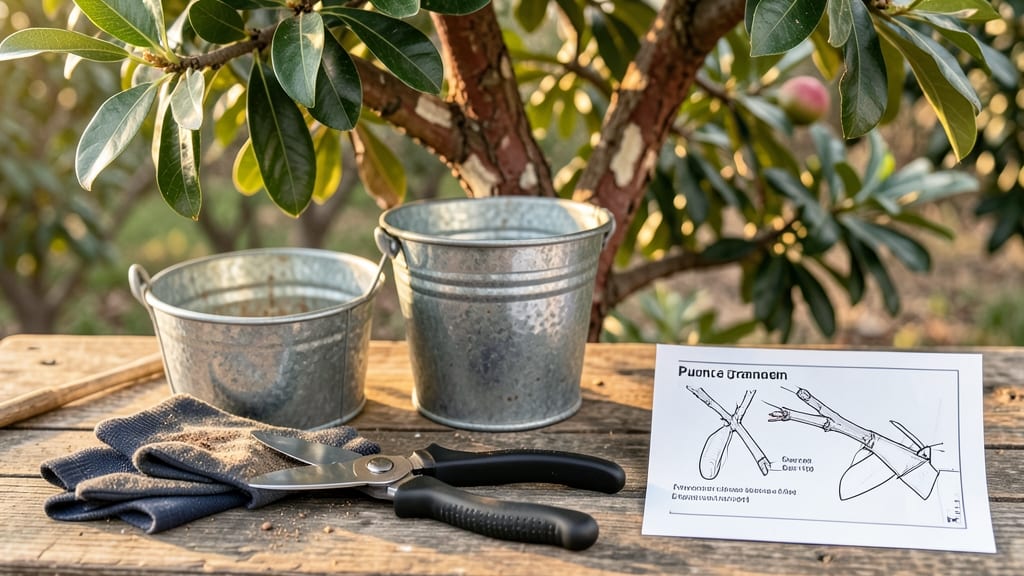
To prune a pomegranate tree at the right time means stronger canes and a better harvest, but getting the timing wrong can leave you with stunted growth or fewer fruits.
Picture this: You’ve just planted your 🍇 pomegranate in spring, and now, months later, you’re staring at tangled branches wondering if you’ve already missed the best window. Late winter is your golden opportunity—when the tree is dormant but just starting to wake up.
Pruning too early risks damaging new growth, while waiting too long can crowd out fruit-bearing branches. The key is acting when the tree is still asleep but the buds are swelling—usually February to early March in most of the U.S.
In this guide, I’ll walk you through the exact signs your pomegranate is ready, how to adjust for your climate zone, and the step-by-step cuts that set you up for a bountiful harvest come fall.
Best late winter pruning timeline for pomegranate trees
Late winter is the ideal window to prune your pomegranate tree—when it’s dormant but before new growth begins. This timing ensures cleaner cuts, faster healing, and stronger canes for next season’s fruit production.
The key is balancing dormant pruning (after leaf drop) with early spring bud-swell (just before leaves emerge), which varies by USDA zone and climate.
In cold climates (Zones 6-8), prune after the last frost but before bud-swell stage (typically late February to early March). In mild zones (9-11), you can prune as late as mid-March since frost risks are lower.
The goal is to remove dead wood, thin crowded branches, and shape the tree while it’s still dormant but not yet actively growing.
Here’s how climate affects timing: In northern regions, wait until the ground thaws and temperatures consistently stay above 40°F (4°C) to avoid stressing the tree. In southern zones, prune earlier to avoid the heat of late spring, which can stress newly cut branches.
Always check for swollen buds—if you see them, it’s time to prune immediately.
Signs your pomegranate tree is ready for pruning include:
- Leafless branches (fully dormant)
- No green tips or new growth
- Dry, dead wood visible
- Bud swell (early spring, just before leaves emerge)
| Climate Zone | Ideal Pruning Window | Key Signs to Prune | Avoid Pruning If... |
|---|---|---|---|
| Cold Zones (6-8) | Late February–Early March |
|
|
| Mild Zones (9-11) | Mid-February–Mid-March |
|
|
| Container-Grown | January–Early February |
|
|
Pruning at the wrong time can stress your tree. For example, cutting too early in winter (when the tree is fully dormant) leaves it vulnerable to cold damage and disease.
Conversely, pruning too late in early spring (after bud swell) removes potential flower buds and reduces next year’s fruit yield. Always prioritize clean cuts with sterilized tools to prevent bacterial infections like bacterial blight, which thrives in open wounds.
If you’re in a transition zone (like Zone 7), monitor your tree closely. A late winter hard freeze can delay pruning, while an unusually warm spell might trigger early bud swell.
In these cases, err on the side of pruning earlier—your tree will thank you with healthier canes and more fruit clusters by harvest season. For container pomegranates, prune indoors in late winter to avoid temperature shocks.
After pruning, apply a light layer of mulch (2-3 inches) around the base to retain moisture and regulate soil temperature. This is especially critical in dry climates, where pomegranates are native.
Water deeply but sparingly in the weeks following pruning—overwatering can cause root rot, while underwatering stresses new growth. Aim for 1 inch of water per week unless your region is experiencing drought.
Pro tip: Label your pruned branches with twine and tags if you’re experimenting with different pruning techniques (e.g., open-center vs. central leader). This helps track which method yields the most fruit per branch in future seasons. Over time, you’ll refine your approach based on what works best for your
How to prune pomegranate trees for maximum fruit production
Pruning your pomegranate tree isn’t just about shaping—it’s about boosting fruit production by directing energy to the most productive branches. The right cuts encourage stronger canes, better air circulation, and more flowering sites for next year’s harvest.
Focus on removing dead wood, thinning crowded growth, and opening the canopy to sunlight.
Start by identifying three-year-old canes, as these are the most productive. Look for branches with buds facing outward—these will produce fruit. Avoid cutting into live buds or you’ll reduce next year’s crop.
Use sharp, clean pruners to make cuts at a 45-degree angle, just above a bud or branch collar.
Step-by-step pruning guide for your pomegranate tree:
Cut out any blackened, brittle, or fungal-infected branches down to the main trunk or healthy growth. This prevents spread of disease and improves air flow.
Selectively remove overlapping or crossing branches to reduce competition. Aim for a vase-shaped tree with an open center for sunlight penetration.
Trim last year’s growth back by 1/3 to 1/2 to encourage lateral branching and more fruit-bearing wood. Cut just above an outward-facing bud.
Open the canopy by removing suckers at the base and shading inner branches. Ensure 6-8 hours of sunlight reaches all canes for optimal fruit development.
Rake up and dispose of pruned debris to prevent pests. Wipe pruners with rubbing alcohol between cuts to avoid spreading pathogens.
After pruning, your tree should have a balanced structure with 30-50% of the previous year’s growth removed. This balance ensures energy goes to fruit production rather than excessive foliage. Water deeply after pruning to help the tree recover, especially if you’ve made large cuts.
Monitor your tree in the weeks following pruning. Look for new buds forming along the canes—this is a sign your cuts are encouraging healthy growth. If you notice yellowing leaves or stunted shoots, you may have pruned too aggressively. Adjust next year’s cuts accordingly.
With proper pruning, your pomegranate tree will reward you with larger fruit, heavier yields, and longer lifespan. The key is patience—focus on gradual shaping over time rather than drastic changes. Happy pruning! ✂️🍇🌿