
Pruning
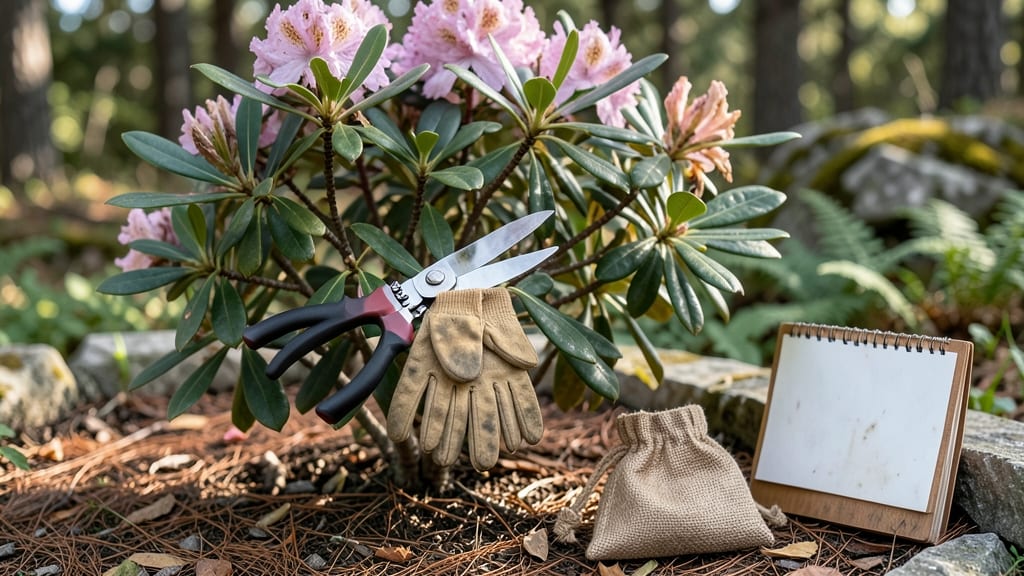
When to prune rhodies in late winter is the best way to ensure vibrant blooms and healthy growth for your 🌸 shrubs.
If you’ve ever watched your rhodies struggle after a misplaced trim—or worse, lose next year’s flowers—you’re not alone. The secret lies in timing it right, just as the plant wakes from dormancy but before buds burst into bloom.
In USDA Zone 6a, the ideal window is late February to early March, when the ground is thawed but the risk of frost has passed. Warmer climates may shift this slightly, but the rule stays the same: prune after the worst cold snaps but before new growth appears.
Below, I’ll walk you through the exact steps, the tools you’ll need, and the common mistakes that can turn a simple prune into a gardening disaster. Let’s get those rhodies looking their best for spring!
The ideal late winter pruning window for rhododendrons
Late winter is the perfect time to prune your rhododendrons because the plant is dormant but ready to rebound with new growth. This February–March window ensures you won’t accidentally cut off next year’s flower buds, which form on old wood.
Timing is everything—prune too early, and you risk frost damage; too late, and you may encourage pests or miss the ideal growth spurt.
In cold climates like USDA Zones 4–6, wait until after the last frost but before bud break (when tiny green tips appear). For warmer zones (7–9), you can prune slightly earlier—January–February—since frost isn’t a concern.
Always check your local frost dates to avoid cutting into new growth too soon.
Why late winter? Pruning now removes dead or weak wood, improves air circulation, and encourages stronger blooms next season. It’s also easier to see the plant’s structure without leaves obscuring your view. Plus, you’ll avoid the stress of pruning during peak summer heat or winter dormancy.
| Climate Zone | Best Pruning Time | Key Cue | Avoid Cutting |
|---|---|---|---|
| Zones 4–6 (Cold) | Late February–Early March | After last frost, before bud swell | New green growth |
| Zones 7–9 (Mild) | January–February | Before spring growth begins | Tender new shoots |
| All Zones (Potted) | Early February | Indoors if frost-free | Flower buds |
One of the biggest mistakes gardeners make is pruning after flowering or cutting into old wood. Rhododendrons produce flower buds on the previous year’s growth, so pruning too late removes next year’s blooms.
Always prune just above a bud or branch that’s facing outward—this encourages a fuller shape and better airflow.
If you’re unsure whether your rhododendron has finished blooming, wait until late spring (after May) for light maintenance pruning. But for major shaping, stick to late winter. This is also the time to remove any dead, diseased, or crossing branches that could harm the plant’s health.
Use clean, sharp pruners to make 45-degree cuts just above a bud.
For large rhododendrons, consider pruning in stages over 2–3 years to avoid shocking the plant. Focus on thinning out dense areas first, then shape the outer edges in subsequent years.
This method reduces stress and helps the plant recover faster. Always water deeply after pruning to help the plant bounce back.
Another common pitfall is pruning too aggressively. Never remove more than one-third of the plant’s foliage in a single session. Over-pruning can stress the plant, weaken its root system, and even delay flowering.
If your rhododendron is overgrown, spread the pruning over multiple seasons to avoid shock.
After pruning, mulch around the base with 2–3 inches of organic mulch (like pine bark) to retain moisture and regulate soil temperature. Avoid piling mulch against the trunk, as this can cause rot.
A light fertilizer application in early spring (after pruning) can also boost growth, but skip heavy feeding until new growth appears.
If you miss the late winter window, don’t panic. You can still prune lightly in early spring (before buds swell) or wait until after flowering for minor adjustments.
However, late pruning may reduce next year’s blooms or attract pests like spider mites. For best results, plan ahead and prune in late winter every year.
With the right timing and technique, your rhododendrons will thrive, producing vibrant blooms and lush foliage for years to come. Grab your pruners, check the frost dates, and get ready to shape your shrubs for a show-stopping spring display! 🌸
Step-by-step late winter pruning guide for healthy rhododendrons
Late winter is the perfect time to prune your rhododendrons—just as buds begin to swell but before spring blooms appear. This timing ensures you preserve next year’s flowers while shaping your shrubs for healthier growth.
The key is precision: cut too early, and you risk removing flower buds; wait too long, and you may encourage pests or disease. Let’s break it down step by step to get your rhododendrons ready for their showstopping spring display.
Before grabbing your pruners, gather the right tools and materials. You’ll need sharp bypass pruners for clean cuts, sterilized shears to prevent disease spread, and gloves to protect your hands from thorns.
Don’t forget disinfectant (like rubbing alcohol) to wipe down tools between cuts, especially if your rhododendrons have pests or fungal issues. A small handheld saw can help with thicker branches, but most pruning should be done with shears for precision.
- 1 Identify last year’s growth
- 2 Remove dead or crossing branches
- 3 Shape for balance and airflow
- 4 Clean up and sterilize
- 5 Fertilize and mulch
Look for woody stems with last year’s flower clusters. These are mature branches that won’t produce new blooms, so they’re safe to trim. Avoid cutting into green buds, which hold next year’s flowers.
Cut out dead wood (brown, brittle stems) and crossing branches that rub together. Aim for open centers to improve airflow and reduce disease risk. Make cuts at a 45-degree angle just above a bud or lateral branch.
Step back and visualize the shape. Trim overgrown branches to maintain a natural, rounded form. Avoid shearing (cutting uniformly), as rhododendrons bloom on old wood and need individual attention. Never remove more than 1/3 of the plant’s foliage in one season.
Rake up clippings and debris to prevent fungal spores from lingering. Wipe down tools with rubbing alcohol or a 10% bleach solution (1 part bleach to 9 parts water) to kill bacteria. Dispose of trimmings in the green waste bin, not the compost pile, to avoid spreading disease.
After pruning, apply a slow-release acidic fertilizer (like 10-10-10) to replenish nutrients. Spread 3 inches of mulch (pine bark or pine needles) around the base, keeping it 2 inches away from the trunk to prevent rot.
For regional adjustments, prune in late February to early March in USDA Zones 6-8. In warmer climates (Zones 9-10), wait until mid-March to avoid encouraging early growth that could be damaged by late frosts.
If you’re unsure about the bud stage, look for swollen buds along the stems—these signal it’s time to prune.
Pro tip: Label your rhododendrons before pruning if you have multiple varieties. Some, like ‘Catawbiense’ or ‘Nova Zembla’, bloom on old wood and need gentle pruning, while others like ‘PJM’ can handle slightly harder cuts.
Always prioritize health over aesthetics—a slightly messy but disease-free rhododendron will reward you with more blooms next season.
Finally, celebrate your progress! Pruning in late winter sets the stage for vibrant spring blooms and a neater, healthier shrub. Snap a photo of your rhododendrons before and after to track their transformation.
With the right timing and technique, your rhododendrons will thrive for years to come—just like a well