
Pruning
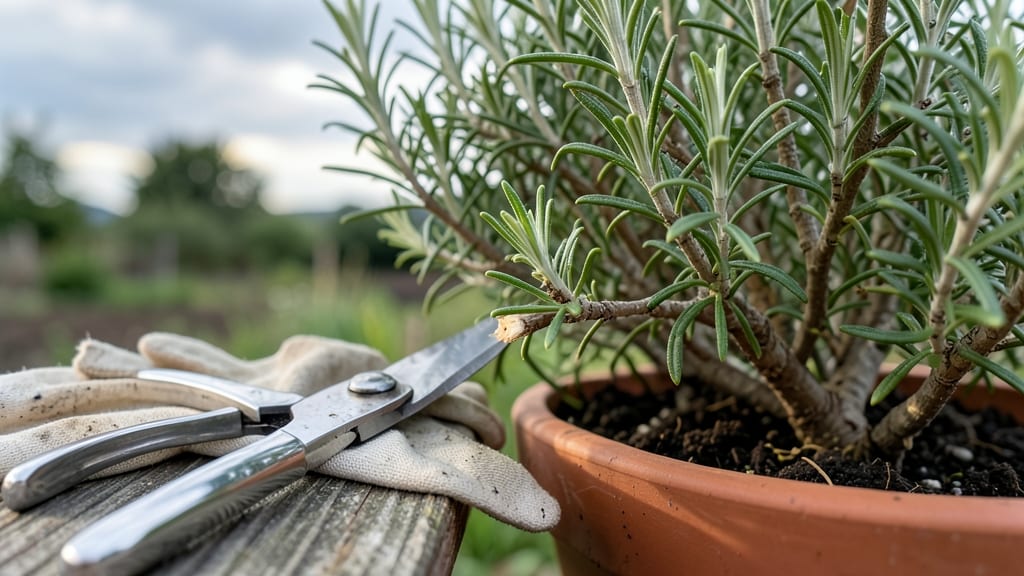
To prune salvia plants, time it in early spring before fresh shoots appear or late summer after blooms fade, with adjustments based on your specific variety. Perennial salvias like Salvia nemorosa thrive with spring cuts, while annuals and woody types often need summer trims to maintain shape and promote fuller regrowth.
Timing matters because salvias grow differently depending on their type and climate. Spring pruning refreshes perennials by removing winter-damaged stems and making room for new foliage, while late summer cuts prevent leggy growth and encourage a second flush of flowers before winter. Woody salvias need special attention—they should be pruned back by one-third in early spring to avoid overgrowth. 🌱 For tropical varieties, light trims can happen year-round, but always avoid cutting into old wood, as it won’t regrow.
Another key factor is your local frost date. If you live in a colder zone, wait until after the last frost to prune perennials, as cutting too early can expose tender new growth to cold damage.
In warmer climates, late summer pruning gives plants time to harden off before winter. Always use clean, sharp shears to make precise cuts just above a leaf node or bud—this encourages healthier regrowth.
💡 In This Article
- Salvia Pruning Timing by Plant Type and Climate
- Step-by-Step Guide to Pruning Salvia for Healthier Growth
Salvia pruning timing by plant type and climate
Salvias respond differently to pruning based on their growth cycle and climate zone. Perennial salvias like Salvia nemorosa store energy in their roots over winter, so pruning in early spring (typically March-April in USDA zones 5-9) removes dead stems and stimulates fresh growth.
The key is to cut back by about one-third of their height, just above a set of healthy leaves or buds. This timing aligns with the plant's natural dormancy break, preventing shock while encouraging bushier regrowth.
For woody salvias (e.g., Salvia greggii), the ideal window shifts to late winter or early spring before buds swell. These varieties can tolerate more aggressive pruning—up to half their height—but avoid cutting into old, woody stems that won’t regenerate.
In warmer climates (zones 8-10), woody types may benefit from a light summer trim after flowering to maintain shape, though this is less critical than spring pruning. Humidity also plays a role: in high-humidity areas, prune on dry days to reduce fungal risks.
Annual salvias (like Salvia splendens) follow a different rhythm—they bloom once and fade by mid-summer. Here, pruning isn’t about shaping but deadheading spent flowers to redirect energy to the base. Cut back by one-quarter after the first flush of blooms (usually June-July), and remove any leggy stems that detract from the plant’s compact form. In contrast, tropical salvias (e.g., Salvia coccinea) can be lightly pruned year-round, but avoid heavy cuts that stress the plant in humid climates.
The science behind these timings lies in plant hormones. Pruning triggers a surge in auxin (a growth hormone) at the cut site, which stimulates lateral buds to grow. However, if you prune too late in the season, the plant may not have enough time to harden off before winter.
For example, cutting back perennials in late summer (after August 15 in most regions) can leave them vulnerable to frost damage, as new growth is less cold-hardy than established stems.
Consider your last frost date as a guide. In colder zones (USDA 3-6), wait until two weeks after the average last frost to prune perennials.
In warmer zones (7-10), late summer pruning (after September 1) works well for annuals and woody types, as it allows time for regrowth before cooler weather.
Always sterilize your shears with rubbing alcohol between cuts to prevent spreading diseases like powdery mildew, which thrives in salvias’ preferred 60-80°F growing conditions.
One common mistake is pruning salvias after they’ve set seed pods. While this may look tidy, it signals the plant to stop flowering for the season. Instead, trim just above the first set of leaves below the spent blooms to encourage a second (or third) flush of flowers.
For example, Salvia nemorosa can rebloom if pruned in mid-summer, though the second flush may be less abundant. The goal is balance—too much pruning stresses the plant, while too little leads to leggy, sparse growth.
Pro tip: Observe your salvias’ natural growth patterns. If you notice stems stretching toward the sun (a sign of etiolation), it’s time to prune. In my garden, Salvia greggii often needs a summer trim by mid-August to prevent woody stems from becoming too thick.
The result? A fuller, more vibrant plant that blooms longer into the season. 🌿