
Pests and Diseases
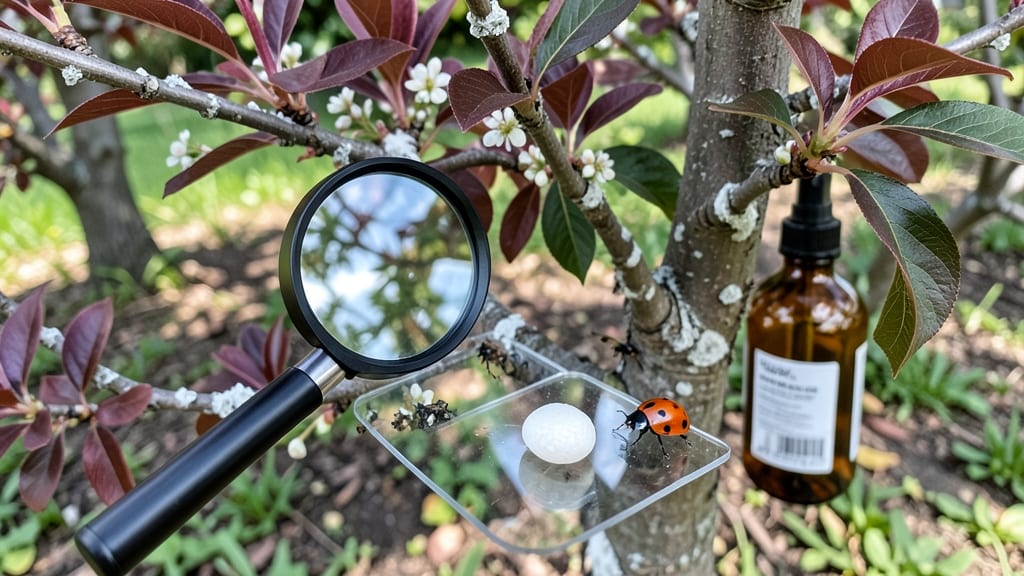
That white cottony mess on your fruit tree branches isn’t just unsightly—it’s white prunicola scale wreaking havoc. 🌿 I’ve watched this stubborn pest turn lush leaves into sticky, honeydew-covered traps, but there’s a way to fight back without harsh chemicals.
The key is understanding its life cycle and hitting it at the right time with organic solutions that actually work.
This scale thrives on fruit trees like apples, pears, and cherries, but it doesn’t stop there—it’ll attack ornamentals too. The telltale signs? White, cottony clusters on stems and leaves, followed by that infamous sticky residue (honeydew) that attracts sooty mold.
The good news? You can disrupt its life cycle with horticultural oil sprays or beneficial insects like ladybugs and lacewings, all while keeping your garden safe and chemical-free.
By the time you’re done reading, you’ll know exactly how to identify the problem, time your treatments for maximum impact, and prevent future infestations. No more helplessly watching your trees decline—just a clear, step-by-step plan to reclaim your garden’s health. Let’s get started with the organic tools that actually work.
The best part? These methods don’t just tackle the scale now—they strengthen your trees for next season, so you’re not scrambling to fix the same problem year after year.
Whether you’re dealing with a small outbreak or a full-blown invasion, this is your go-to guide for kicking white prunicola scale to the curb—without the harsh chemicals.
Why Sticky Leaf Invaders Take Over
Those stubborn, sticky leaf infestations caused by Prunicola scales aren’t just a random nuisance—they’re the result of specific environmental and biological triggers. Understanding these causes helps you tackle the problem at its root. Here’s why these pests target your plants and how they thrive.
Healthy plants resist pests, but when they’re stressed, they become prime targets. Prunicola scales exploit plants that are:
- Nutrient-deficient: A lack of nitrogen, phosphorus, or potassium weakens leaves, making them easier for scales to latch onto. Pro tip: 💡 Conduct a soil test to check for deficiencies—amend with compost or organic fertilizers before treating pests.
- Water-stressed: Overwatering or drought creates ideal conditions for scales. Too much moisture softens leaves, while drought stress reduces plant resilience. Pro tip: 🌡️ Aim for consistent moisture—neither soggy nor bone-dry soil.
- Recently pruned or damaged: Fresh cuts or wounds release sap, which attracts scale insects looking for a meal. Pro tip: ✨ Seal pruning cuts with organic wound paint to deter early infestations.
These scales aren’t picky—they love warm, humid environments. If your garden or greenhouse checks these boxes, you’re rolling out the welcome mat:
- Warm temperatures (70–85°F): Scales thrive in heat, with nymphs (baby scales) developing fastest in these ranges. Pro tip: 🌡️ Monitor temperature swings—cool nights slow their lifecycle, giving you a natural advantage.
- High humidity (60%+): Moist air helps scales retain water and reproduce rapidly. Pro tip: 🌬️ Improve airflow with pruning or spacing plants to reduce humidity hotspots.
- Dense foliage: Thick canopies trap heat and moisture, creating a scale-friendly microclimate. Pro tip: 🌿 Thin out overgrown branches to disrupt their cozy hiding spots.
Scales don’t just appear—they hitchhike or multiply explosively once established. Here’s how:
| Cause | How It Happens | Actionable Fix |
|---|---|---|
| Wind or water dispersal | Adult females release crawlers (baby scales) that ride wind or rain to new plants. | 🌧️ Isolate infested plants during rainy seasons and use row covers to block windborne crawlers. |
| Contaminated tools or soil | Pruners, pots, or soil can carry scale eggs or crawlers to healthy plants. | 🔪 Sterilize tools with rubbing alcohol (70%+) and repot plants in fresh, scale-free soil. |
| Overwintering eggs | Female scales lay eggs in crevices or under bark, which hatch when conditions warm up. | ⏰ Inspect plants in early spring and remove egg masses by hand or with a stiff brush. |
Once you identify which factors are at play in your garden, you can disrupt their cycle. The key? Act fast—these pests multiply quickly, turning a small problem into a sticky mess. 🚀
Natural Ways to Combat Sticky Leaf Invaders
Now that you understand what’s causing those stubborn white, cottony patches on your plants, let’s tackle the problem head-on with effective, organic solutions tailored to the root of the issue.
Whether your plants are showing early signs or are already heavily infested, these methods will help you reclaim your garden without harsh chemicals.
If you catch the white prunicola scale early, you can prevent a full-blown infestation with minimal effort.
🔍 Inspect Regularly
- When? Check plants weekly during warm, dry seasons (their favorite breeding time).
- How? Flip leaves over and peer into crevices—scales love hiding in folds and undersides.
- Pro Tip: 💡 Use a hand lens (magnifier) for better visibility, especially on small plants.
🚰 Prune and Isolate Infested Areas
- Why? Scales spread via crawling nymphs or wind-blown crawlers.
- How?
- Snip off heavily infested branches with clean, sharp shears.
- Drop them in a sealed trash bag (not compost!) to prevent reinfestation.
- Disinfect tools with 70% rubbing alcohol between cuts.
Scales have a two-phase life cycle (crawling nymphs vs. armored adults), so your spray strategy should adapt.
🐛 For Crawling Nymphs (Pre-Adult Stage)
Nymphs are softer and more vulnerable—this is the best time to strike!
| Method | How to Apply | Best For | Frequency |
|---|---|---|---|
| Neem Oil Spray | Mix 1 tsp neem oil + 1 tsp mild soap + 1 quart water. Spray evenly on both sides of leaves. | Early infestations, prevention | Every 5–7 days for 2–3 weeks |
| Insecticidal Soap | Use a horticultural oil-based soap (like Safer® Brand). Spray directly on scales. | Small outbreaks, tender new growth | Every 3–4 days until gone |
| Horticultural Oil | Apply dormant oil (like Sunspray Ultra Fine Oil) when temps are 50–90°F. | Overwintering eggs & nymphs | Once in early spring, repeat if needed |
⚠️ Important: Always test sprays on a small leaf first—some plants (like citrus or oleander) are sensitive to oils.
🛡️ For Mature, Armored Scales
Adult scales are tougher—you’ll need physical disruption + systemic action.
| Method | How to Apply | Best For | Frequency |
|---|---|---|---|
| Diatomaceous Earth (DE) | Lightly dust food-grade DE on leaves (use a puffer duster for precision). Avoid windy days. | Outdoor plants, heavy infestations | Every 5–7 days (reapply after rain) |
| Kaolin Clay Spray | Mix 2 tbsp kaolin clay + 1 gallon water. Sprays create a protective film that blocks sunlight (scales need it to survive). | Long-term prevention, large plants | Every 2–4 weeks |
| Beneficial Insects | Release parasitic wasps (Aphytis spp.) or ladybugs—they eat scales! | Organic gardens, long-term control | Multiple releases in growing season |
💡 Pro Tip: For severe cases, combine neem oil + DE for a 1-2 punch—oil smothers while DE dehydrates.
An ounce of prevention is worth a pound of cure! Here’s how to lock out future infestations:
🌞 Improve Plant Health
- Water deeply but less often—scales thrive in stressed, droughty plants.
- Fertilize with compost or fish emulsion for stronger, resilient foliage.
- Prune for airflow—scales love crowded, shaded spots.
🛡️ Barrier Methods
- Reflective mulch (like aluminum foil) around plant bases can confuse and deter scales.
- Sticky traps (yellow or blue) placed near plants can catch crawling nymphs.
🌿 Seasonal Maintenance
- Clean up debris in fall/winter—scales hide in old leaves and bark.
- Quarantine new plants for 2–4 weeks before introducing them to your garden.
Final Thought: 🎯 Consistency is key—scales don’t disappear overnight, but with regular checks and layered defenses, you’ll regain control of your garden naturally.
Frequently asked questions about white prunicola scale
What do white prunicola scale infestations look like on my plants?
You’ll notice white, cottony clusters on stems, branches, and leaf undersides—these are the armored adult scales. Later, watch for sticky honeydew residue on leaves, which attracts sooty mold. Early signs include tiny yellow spots where scales feed. Check crevices and new growth first, as these are their favorite hiding spots.
Can I use neem oil on fruit trees with white prunicola scale?
Yes, but apply it carefully! Mix 1 tsp neem oil + 1 tsp mild soap + 1 quart water and spray evenly on both leaf sides. Avoid spraying when temps exceed 85°F or when fruit is ripe. Test on a small branch first—some fruit trees (like citrus) may react sensitively to oils.
How often should I check my plants for white prunicola scale?
Inspect plants weekly during warm seasons (spring through fall), focusing on new growth and undersides of leaves. Use a hand lens for better visibility. Early detection is key—scales multiply rapidly, so don’t wait until you see honeydew before acting.
Will beneficial insects actually eat white prunicola scale?
Release parasitic wasps (Aphytis spp.) or ladybugs—they target scales specifically. For best results, release them in the morning when scales are most active. Repeat releases every 2-3 weeks during the growing season to maintain control.