
Pruning
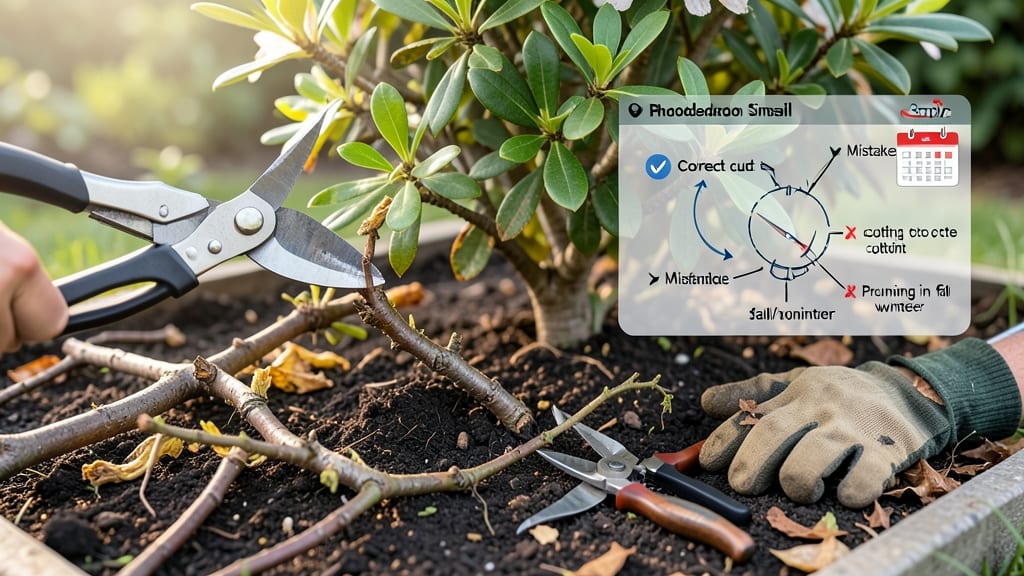
Azalea pruning mistakes can turn your spring blooms into a bare-bones disaster. 🌸 I’ve watched healthy azaleas lose their flowers—and even their shape—because of just a few wrong cuts.
The good news? Most pruning errors are fixable if you catch them early, and knowing what to avoid saves you from heartbreak next season.
Timing is everything: pruning at the wrong time (like right after blooming) can mean no flowers next year. Over-pruning—cutting more than a third of the plant—stresses azaleas and leaves them vulnerable to disease.
And worst of all, cutting into old wood (the thick, woody stems) kills future blooms because azaleas flower on last year’s growth. Even a single wrong cut can set your plant back for months.
When done right, azalea pruning keeps your shrubs lush, blooming, and full of life. You’ll see fresh green growth within weeks, and next spring’s flowers will be bigger and more abundant than ever.
The key is patience—focus on shaping, not thinning—and always cut just above a leaf bud, never into bare wood.
If you’ve already made a mistake, don’t panic. Azaleas are tougher than they look. With the right recovery steps—like feeding with acid-loving fertilizer and watering deeply—you can bring them back to health. Let’s turn those pruning mistakes into lessons for a stronger, showier shrub next year.
Root Causes Of Botched Azalea Trims
Azalea pruning gone wrong isn’t just a matter of poor timing or a shaky hand—it’s often the result of misunderstood biology and overlooked growth habits. These evergreen shrubs rely on precise pruning cues to thrive, and when those cues are ignored, the consequences can be devastating.
Let’s break down the real reasons your azaleas might be protesting with sparse blooms, leggy growth, or even death after pruning.
Azaleas are florigen-dependent plants, meaning their blooms form on last year’s growth (old wood). When you prune at the wrong time, you’re essentially cutting off next season’s flowers before they’ve even had a chance to develop.
- 🌸 Late spring/early summer pruning (after blooms fade):
This is the deadliest mistake. Azaleas set flower buds for the following year immediately after blooming. If you prune too soon, you remove up to 80% of potential bloom sites. Research from Cornell University confirms that pruning azaleas after June 15th can reduce next year’s flowers by 50-70%.
- ❄️ Late fall/winter pruning (before dormancy breaks):
While azaleas can tolerate light pruning in late winter (just as new growth begins), aggressive cuts trigger excessive water sprouts—fast-growing, weak stems that drain energy from flower production.
The USDA Forest Service warns that winter pruning can also expose tender wood to freeze damage, since azaleas are semi-evergreen and retain some foliage year-round.
💡 Pro Tip: Wait until immediately after blooming (late May to early June for most varieties) and only prune what’s necessary. If you must shape in winter, limit cuts to 10-15% of the plant’s total volume.
Azaleas produce flowers on mature, woody stems (called old wood), not just new growth. When you prune too aggressively into the center or main branches, you risk:
- 🌱 Stimulating only water sprouts:
New growth from deep cuts is often soft, fast-growing, and non-flowering. These water sprouts steal nutrients from the roots and existing blooms, leading to leggy, sparse shrubs.
A study in Journal of Environmental Horticulture found that azaleas pruned back to old wood produced 30% fewer flowers the following year.
- 💀 Killing the plant’s growth points:
Azaleas have terminal buds (growth tips) that drive upward expansion. If you cut these off, the plant may stop growing vertically and instead put all energy into lateral (side) shoots, which are weaker and less likely to bloom.
🔪 Actionable Fix: Never remove more than 1/3 of the plant’s height or width in a single pruning session. If you’re shaping, target only the outermost stems and avoid cutting into the thick, woody center.
Azaleas are tropical/subtropical natives and hate sudden environmental shocks. Pruning during heatwaves, drought, or high humidity can trigger stress responses that manifest as:
- 🔥 Sunburn on exposed wood:
When you prune in full sun (especially after winter), the phloem (the plant’s food-transporting layer) gets damaged, causing brown, dead patches on stems. This is called sunscald, and it weakens the plant’s immune system, making it susceptible to pests.
- 💦 Overhydration stress:
Pruning in humid conditions (like post-rain pruning) can lead to fungal infections (e.g., Phytophthora) because open wounds retain moisture. The University of Florida IFAS Extension reports that 70% of post-pruning azalea deaths in humid climates are due to fungal rot from improper wound care.
✨ Smart Timing:
- Prune on cool, overcast days (ideal temp: 50–70°F).
- Avoid pruning within 48 hours of rain.
- If pruning in hot/dry weather, water deeply before and after to reduce shock.
Dull, dirty, or improperly used pruners can crush stems, tear bark, and introduce pathogens. Here’s how tool mistakes backfire:
- 🔪 Shearing instead of selective pruning:
Hedge trimmers mash stems instead of making clean cuts, which blocks sap flow and invites disease. The American Society for Horticultural Science found that sheared azaleas had 40% lower survival rates post-pruning due to stem necrosis.
- 🧴 Not sterilizing tools:
Bacteria like Pseudomonas syringae (which causes bacterial blight) can hitch a ride on unsterilized blades. If you prune an infected plant first, you’ll spread the disease to healthy azaleas. Always wipe blades with rubbing alcohol between cuts.
- ✂️ Leaving jagged cuts:
Ragged edges slow wound sealing, making the plant vulnerable to insects and rot. Always cut at a 45° angle, 1/4" above a bud or branch collar.
🔧 Toolbox Essentials:
- Use bypass pruners (not anvil pruners) for clean cuts.
- Keep blades sharp and sanitized with 70% isopropyl alcohol.
- For large branches, use loppers or a handsaw—never hedge trimmers.
Azaleas are slow growers (typically 1
Fix These Pruning Errors Fast
Azaleas are finicky but forgiving—if you catch pruning mistakes early, you can often revive them with the right fixes. Below, we’ll map each common error to a simple solution, plus tips to keep your shrubs thriving for years. Think of this as your azalea first-aid kit! 🩺🌸
Cause: Cutting back too aggressively (more than ⅓ of the plant) or shearing into old wood. Fix:
- Stop pruning immediately—no more cuts until new growth appears.
- Fertilize lightly with an acid-loving plant formula (like 10-10-10) to encourage recovery.
- Water deeply 1–2 times per week to reduce stress.
- Wait for next spring to prune again—only shape lightly if needed.
💡 Pro Tip: Over-pruned azaleas may look sad for a season, but they often bounce back with time. Patience is key!
Cause: Pruning after mid-spring (when buds form) or in fall/winter (dormant season). Fix:
- If you pruned too late in spring:
- Remove any dead or damaged branches now to prevent disease.
- Wait until next spring (just after blooming) to prune for shaping.
- If you pruned in fall/winter:
- Azaleas won’t bloom well that year, but they’ll recover. Focus on light maintenance pruning in early spring (post-bloom) moving forward.
🌡️ Timing Hack: Mark your calendar for right after blooms fade—this is your golden window for pruning!
Cause: Using hedge trimmers or shearing too close to the center, creating a "mushroom" shape. Fix:
- Remove all sheared growth down to the first healthy bud or branch fork.
- Thin out dense areas by cutting back some branches completely to improve airflow.
- Shape with hand pruners—step back often to check balance.
- Avoid shears entirely unless you’re pruning a formal hedge (and even then, use a gentle touch!).
✨ Design Tip: Azaleas look best with a natural, layered shape. Think "wild garden" over "manicured hedge."
Cause: Leaving dead branches or cutting into diseased wood, which spreads rot. Fix:
- Identify dead wood—it’s brittle, dark, and doesn’t bend when tested.
- Cut back to healthy green wood (or the branch collar if no green remains).
- Sterilize tools with rubbing alcohol between cuts to prevent spreading disease.
- Disinfect the wound with a 10% bleach solution (1 part bleach to 9 parts water) if cuts are large.
🔪 Safety First: Always wear gloves—azalea branches can be sharp and may harbor thorns or sap irritants!
Cause: Cutting too many top branches, causing weak stems or leaning growth. Fix:
- Prune lower branches first to encourage upward growth.
- Remove no more than 10–15% of the plant’s canopy in one session.
- Support weak stems with small stakes if needed (use soft ties to avoid damage).
- Fertilize with phosphorus (look for a high middle number, like 10-20-10) to strengthen roots.
🌿 Balance Trick: Step back and visualize your azalea as a tree—the base should be wider than the top for stability.
To keep your azaleas blooming beautifully year after year:
- Prune only after blooms fade (never in fall or winter).
- Use sharp, clean tools—dull blades tear wood, inviting disease.
- Never remove more than ⅓ of the plant in one session.
- Avoid shearing unless you’re growing a formal hedge.
- Label your azaleas if you have multiple varieties—some bloom at different times!
- Mulch annually with pine bark or compost to protect roots and retain moisture.
🎯 Golden Rule: When in doubt, prune less. Azaleas handle gentle shaping far better than aggressive cuts!
Frequently asked questions
Why did my azalea stop blooming after pruning?
Azaleas bloom on last year’s growth (old wood), so pruning too late in spring or cutting into old stems removes next year’s flower buds. If you pruned after June 15th, you likely cut off 50-70% of potential blooms. The fix? Wait until right after blooms fade next year and prune minimally.
Can I prune azaleas in winter?
Light winter pruning (10-15% of the plant) is okay, but avoid heavy cuts. Winter pruning can trigger water sprouts (weak, non-flowering growth) and expose tender wood to freeze damage. For best results, prune immediately after blooming in late spring.
How do I fix a "mushroom-shaped" azalea?
Shearing creates dense centers. Remove all sheared growth down to the first healthy bud or branch fork. Thin out 20-30% of the center branches to improve airflow. Use hand pruners for shaping—never hedge trimmers. Step back often to maintain a natural, layered look.
What should I do if I cut into old, woody stems?
Don’t panic! Cutting into old wood won’t kill the plant, but it may reduce blooms. Remove the damaged stem completely if possible. Fertilize with an acid-loving formula (like 10-10-10) and water deeply. Next year, focus on pruning only new growth at the tips.
How can I tell if my azalea is dying from pruning mistakes?
Watch for brittle, dark stems, yellowing leaves, or no new growth after 6-8 weeks. If the plant looks leggy or sparse, it’s likely stressed. Revive it by fertilizing with phosphorus-rich food (like 10-20-10) and watering deeply. Mulch with pine bark to protect roots.