
Pruning
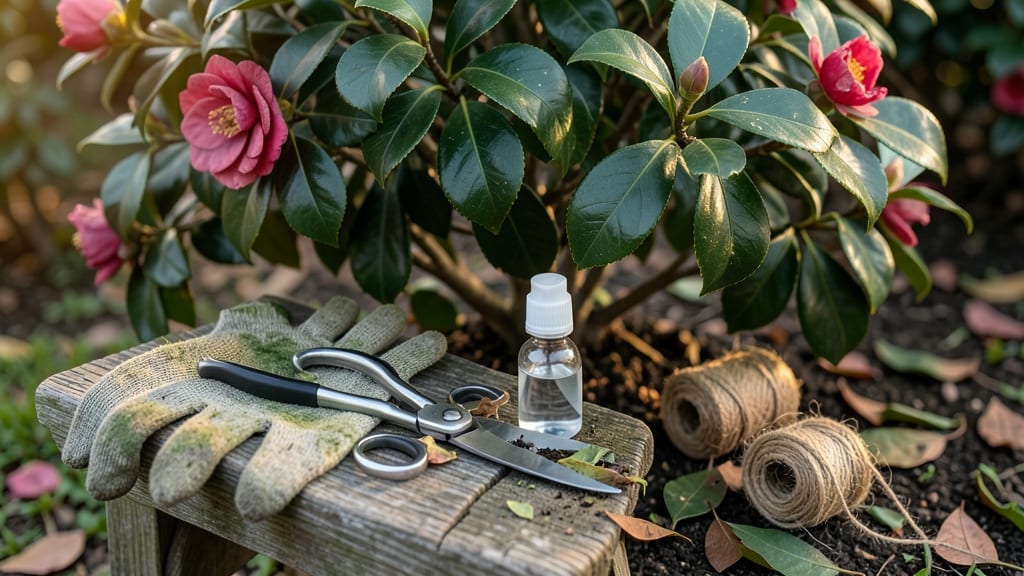
Pruning camellias at the best time — late winter — is the secret to next year’s showstopping blooms 🌸, but one wrong cut can leave your shrub struggling.
If your camellias are producing fewer flowers than expected, it might be because you’re pruning at the wrong time. Late winter isn’t just any season—it’s when your plant is dormant but ready to rebound, setting the stage for healthier growth and more abundant blooms.
Here’s the key: timing matters more than technique. In USDA Zones 7-10, late winter (just after the last frost but before buds swell) is ideal, but warmer climates like Zone 10 can shift that window to early spring.
We’ll cover the exact steps, tools, and what to avoid to keep your camellias thriving.
Ready to transform your pruning routine? You’ll learn how to shape your camellias for maximum beauty without sacrificing their health—plus, we’ll debunk common mistakes that could ruin your blooms.
Why late winter pruning maximizes camellia bloom potential
Camellias are the stars of winter gardens, but their bloom potential depends heavily on when you prune. While many gardeners reach for their shears after flowering, late winter—just before new growth begins—is the sweet spot for shaping these shrubs.
This timing aligns perfectly with the plant’s dormancy cycle, allowing you to reshape without stressing the plant or sacrificing next year’s flowers.
The key lies in understanding camellias’ growth patterns. These evergreens bloom on old wood, meaning flowers form on branches from the previous year. Pruning too late risks cutting off next year’s buds, while pruning too early can leave your plant vulnerable to winter cold or disease.
Late winter strikes the balance by giving your camellia time to heal before spring’s growth surge.
Regional timing matters. In USDA Zones 7-9, aim for late February to early March, just as daylight hours increase but before buds swell. In Zone 10, where winters are milder, prune in January or early February to avoid the brief cool spells that can stress the plant. The goal? Prune when your camellia is still dormant but not yet active.
| USDA Zone | Best Pruning Window | Key Climate Cues | Why This Works |
|---|---|---|---|
| 7-8 | Late February to early March | After last frost risk, before buds swell | Avoids winter dieback; aligns with root growth |
| 9 | Early to mid-March | Mild winters; prune after cooler spells | Prevents fungal risks from wet springs |
| 10 | January to early February | Coolest months; minimal frost risk | Encourages early spring flush of growth |
Late winter pruning also reduces disease risks. Warm, wet springs create perfect conditions for fungal infections like anthracnose, which thrives on fresh cuts. By pruning in cooler, drier conditions, you minimize exposure to pathogens. Plus, removing dead or crossing branches improves air circulation, further protecting your plant.
Scientifically, late winter aligns with the plant’s hormonal shifts. As temperatures rise, camellias begin producing auxin, a growth hormone that stimulates cell elongation. Pruning before this surge ensures cuts heal faster and new growth emerges stronger.
Think of it as giving your camellia a clean slate to focus energy on flower bud formation rather than repairing old wounds.
Don’t wait until spring to prune—this is when buds are already forming for next year’s blooms. If you delay, you risk cutting off next season’s flowers or encouraging weak, leggy growth.
The 30-day rule applies here: prune at least 30 days before your region’s last frost date to avoid stressing the plant as it prepares to bloom.
For variety-specific adjustments, note that Sasanqua camellias (which bloom in fall/winter) can tolerate light pruning after flowering, but Japonica types (spring bloomers) demand strict late-winter timing. Always check your plant’s label or local extension service for variety-specific advice, as some hybrids have unique growth habits.
Pro tip: Look for tight buds along branches—this is your cue that pruning time is approaching. If buds are already swollen or opening, you’ve missed the window.
Late winter pruning isn’t just about aesthetics; it’s about setting the stage for a camellia that will outshine the competition next bloom season.
Finally, pair your pruning with a light fertilizer application in early spring to support new growth. Use a balanced, acid-loving formula (like 8-10-10) to encourage both foliage and flower production.
This two-step approach—prune in late winter, fertilize in spring—is the secret weapon for camellias that burst with color year after year.
Step-by-step late winter pruning guide for camellias
Late winter is the perfect time to prune camellias because it aligns with their natural dormancy period. When you prune just after blooming (typically February-March in most USDA zones 7-10), you encourage robust new growth and next year’s flower buds.
The key is acting before spring buds form—wait too long, and you risk cutting off potential blooms.
Before you begin, gather your tools: sharp bypass pruners for clean cuts, a sterilized saw for thicker branches, and rubbing alcohol or bleach to sanitize tools. Remove any dead, diseased, or crossing branches first, as these can hinder airflow and invite pests.
Think of this as a health check for your camellia before the growing season kicks in.
- 1 Timing is everything: Prune late winter (after blooms fade) but before new buds appear. For USDA Zone 7-9, aim for February-March; in Zone 10, prune in January-February.
- 2 Sanitize tools: Wipe pruners with rubbing alcohol or 10% bleach solution to prevent spreading bacterial or fungal diseases. Let dry before use.
- 3 Remove deadwood first: Cut out dead, diseased, or weak branches at the branch collar (swollen area where branch meets trunk). Make cuts 45-degree angles for larger branches to prevent water pooling.
- 4 Thin the canopy: Selectively remove 1/3 of oldest growth to improve airflow. Focus on overcrowded or inward-growing branches. Never remove more than 25% of foliage in one session.
- 5 Shape for structure: Prune to maintain a balanced, open shape. Avoid shearing (cutting uniformly), as camellias bloom on old wood. Step back often to check symmetry.
- 6 Clean up: Collect and dispose of pruned branches (don’t compost if diseased). Apply a 2-inch mulch layer around the base to retain moisture and suppress weeds.
When pruning, always cut just above a outward-facing bud or branch collar to encourage growth in the right direction. Avoid topping (cutting the main stem flat), as this can stunt your camellia’s growth and reduce flowering.
If you’re unsure which branches to remove, less is more—camellias respond better to light pruning than aggressive trimming.
After pruning, monitor your camellia for signs of stress, like wilting leaves or slow recovery. If you notice yellowing foliage or stunted growth, it may mean you pruned too late or too aggressively.
In this case, reduce watering slightly and apply a balanced fertilizer (like 8-10-10) to help it recover.
Remember, camellias are slow growers, so patience is key. With the right late winter pruning, your plant will reward you with lush foliage and stunning blooms next season. Happy pruning! 🌸✂️🌿