
Pruning
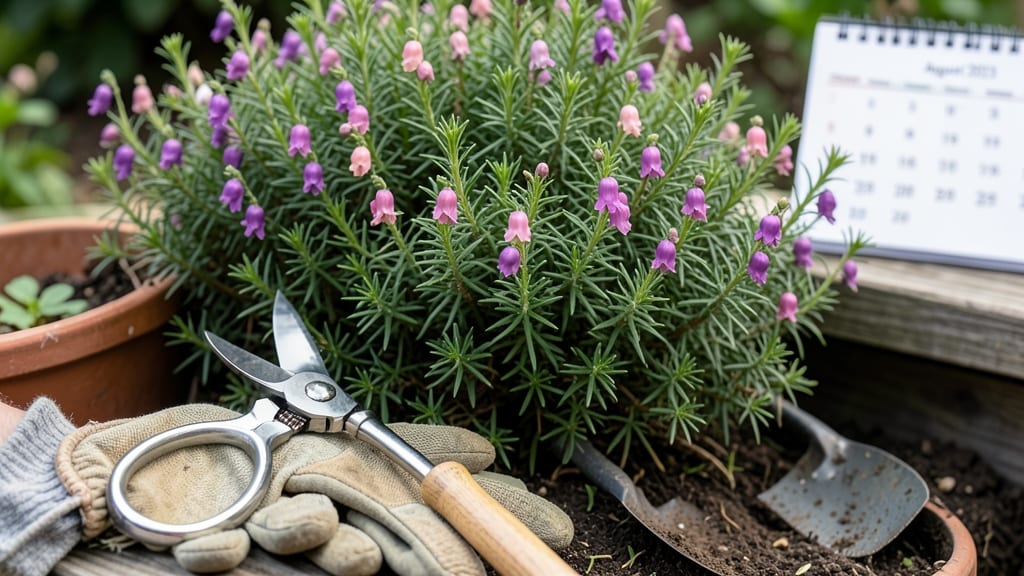
To prune heather for next year’s fullest blooms, late summer is the only window that matters—cutting too early or too late can leave your 🌿 bushes bare and struggling.
Struggling to keep your heather bushes lush and blooming year after year? The secret lies in timing—pruning at the wrong moment can strip away next season’s flowers, while the right approach unlocks vibrant, fuller growth.
Most gardeners mistakenly prune after flowering, but that’s a recipe for sparse blooms next spring. The key is waiting until August or early September, when old growth has faded but new buds are still protected.
In this guide, I’ll walk you through the exact timing, tools, and techniques to revive your heather—plus when to skip pruning entirely for certain varieties.
The exact late summer timeline for pruning heather (avoid these mistakes)
If your heather bushes look bare-stemmed or sparse-blooming despite your best efforts, the issue likely lies in pruning timing. Late summer—specifically August through September—is the golden window for revitalizing heather without sacrificing next year’s showstopping blooms.
Skip this window, and you risk stripping away dormant flower buds that form over winter.
Most gardeners mistakenly prune after flowering (late summer/early fall) or in spring, both of which can leave your heather leggy, bare, or stunted. The key is understanding how heather’s growth cycle aligns with climate zone shifts.
In USDA Zones 5-7, the ideal pruning window narrows to late August to mid-September, while warmer zones (8-10) can extend it slightly into early October.
Here’s why late summer works: After summer blooms fade, heather enters a dormancy phase where it stores energy for next year. Pruning too early (before August) removes new growth that could’ve bloomed, while pruning too late (after October) risks frost damage to fresh cuts.
The 5-week window between late August and mid-September balances these risks perfectly.
🌿 Comparison Table: When to Prune Heather by Climate Zone
| Climate Zone | Ideal Pruning Window | Why This Timing? | Avoid These Mistakes |
|---|---|---|---|
| USDA Zones 3-5 | Late August to early September | Cooler temps delay dormancy; prune before first frost (typically late September). | Don’t prune after September 15—frost can kill new growth. |
| USDA Zones 6-7 | Late August to mid-September | Balanced window avoids summer heat stress and winter frost risks. | Skip pruning if blooms haven’t fully faded—wait until 90% are spent. |
| USDA Zones 8-10 | Early to mid-September | Warmer zones extend dormancy; prune before monsoon season (if applicable). | Never prune after October 1—humidity increases fungal risks. |
🌡️ Pro Tip: Use your local frost date as a guide—prune 6 weeks before the first expected frost.
Spotting overdue pruning is easier than you think.
Look for these red flags that scream “it’s time to prune”: 🔹 Bare stems (no foliage in the lower 1/3 of the bush) 🔹 Sparse or uneven blooms (clusters only at the tips) 🔹 Leggy, stretched growth (stems longer than 3 inches between leaves) If you see 2+ of these signs, your heather is past due for pruning—act fast before next spring’s blooms suffer.
One common mistake is assuming all heather varieties prune the same way. Calluna heather (the most common type) thrives with light annual pruning, while Erica heather (spring-blooming) needs minimal trimming—only to shape after flowering. Over-pruning Erica can eliminate next year’s blooms entirely.
Always confirm your heather type before reaching for the shears!
Here’s how to adjust your timing if you missed the late-summer window: ✂️ Early pruning (June-July): Wait until after flowering—deadhead spent blooms but avoid cutting green growth. ✂️ Late pruning (October-November): Only prune dead or diseased wood; avoid shaping until spring. ✂️ Spring pruning (March-April): Limit to light shaping—never cut back more than 1/3 of the bush.
After pruning in late summer, feed your heather with a balanced 10-10-10 fertilizer to boost root growth before winter. Water deeply but infrequently—heather hates soggy soil—and mulch lightly with pine needles (their natural habitat!) to protect roots from temperature swings.
With this late-summer reset, your heather will rebound with lush, vibrant blooms next spring.
Remember: Heather’s blooms form on old wood, so timing is everything. Master this late-summer window, and you’ll transform lackluster bushes into year-round showstoppers. Happy pruning! ✂️🌷
Step-by-step pruning guide: how to revive heather without sacrificing next year’s flowers
Reviving your heather bushes starts with the right pruning technique—one that preserves next year’s flower buds while removing dead growth. Unlike many shrubs, heather blooms on old wood, so aggressive cuts can mean fewer flowers.
The key is selective trimming that maintains shape and health without stripping away potential blooms.
Before grabbing your shears, gather the right tools: sharp bypass pruners for clean cuts, hand pruners for smaller stems, and sterilized tools to prevent disease spread. For larger bushes, a small pruning saw may be needed. Always sterilize tools with rubbing alcohol to avoid transferring pathogens between plants.
- Calluna: Prune lightly in late summer; avoid cutting into old wood.
- Erica: Can tolerate slightly harder pruning but still avoid flowering stems.
For Calluna heather, focus on removing only the oldest stems—those without new growth—to encourage fresh shoots. Erica heather, on the other hand, can handle slightly more aggressive trimming, but always leave at least half the plant’s structure intact to support flowering.
After pruning, monitor your heather for signs of new growth within 2-3 weeks. If you notice yellowing leaves or stunted growth, it may indicate over-pruning or stress. In this case, reduce future cuts and ensure the plant receives adequate sunlight and water.
Remember, the goal is to revive without sacrificing—every cut should serve a purpose, whether it’s removing dead wood, shaping the bush, or encouraging denser growth. With the right technique, your heather will reward you with vibrant blooms for seasons to come. 🌿✂️