
Pruning
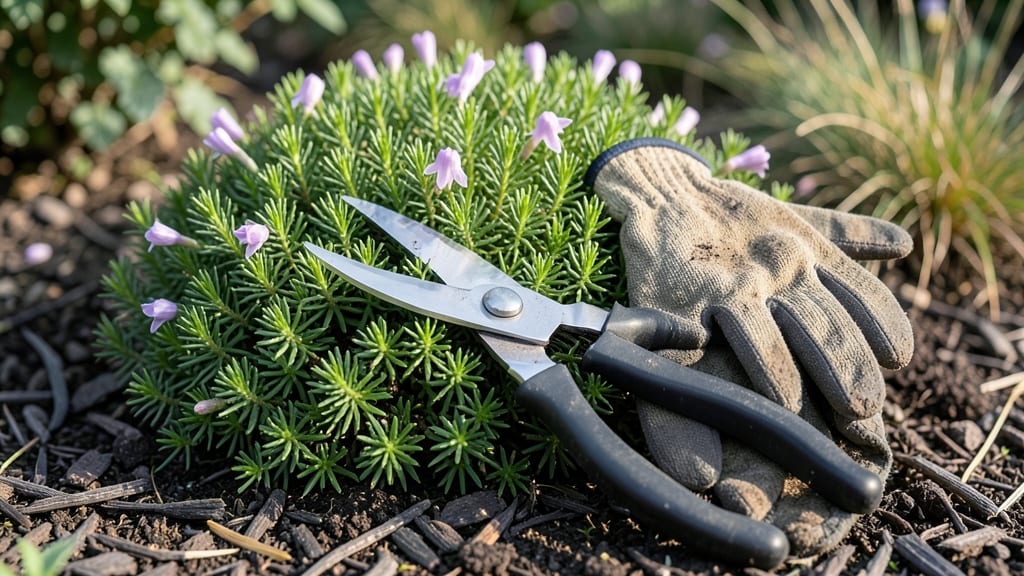
Pruning Calluna vulgaris in late winter unlocks next year’s most vibrant blooms—the secret to keeping your heather lush and full. 🌿 I’ve watched my own plants transform from scraggly to showstopping after just one proper cut, and the timing is everything.
Most gardeners prune at the wrong season, which means fewer flowers and weaker growth. But when you do it right, you’ll see dense foliage and bold, long-lasting blooms that last from summer into fall.
The key is working just before new growth starts, usually in February or early March when the soil is still cold but the air is warming. You’ll need sharp pruners, gloves, and a clear day—no need for fancy tools, just precision.
Cut back about one-third of the oldest stems to the base, making clean cuts at a 45-degree angle. This might sound drastic, but heather thrives on renewal, and the plant will reward you with fresh, healthy shoots by spring.
What you’ll end up with is a fuller, bushier plant that flowers more abundantly than ever before. The new growth will be vibrant, the stems will be stronger, and you’ll avoid the common mistake of over-pruning, which can leave your heather looking bare.
Think of it like giving your plant a fresh start—just in time for the growing season ahead.
This method works for all varieties of Calluna vulgaris, whether you’re growing it as a ground cover, in borders, or even in containers. The best part?
Once you’ve done it once, you’ll wonder how you ever struggled with pruning before. Let’s get those shears ready—your heather’s next chapter starts now.
📚 In This Guide
- What you need
- Instructions
- Tips and common mistakes
- Wrapping up and next steps
What you need
- ○ Pruning shears – Bypass pruners (sharp, 5–7" blades) for clean cuts. Optional: Small anvil pruners for thicker stems (but avoid crushing!).
- ● Hand pruners or loppers – For thicker growth (if your heather has woody stems). Look for bypass-style to prevent damage.
- ● Garden gloves – Nitrile-coated or leather (thick enough for protection, thin enough for dexterity).
- ● Disinfectant (70% isopropyl alcohol or bleach solution) – Clean tools between cuts to prevent disease spread.
- ● Rake or leaf blower – For clearing away debris post-prune. A small handheld leaf rake works best for tight spaces.
- ● Pruning saw – Only if dealing with very thick, woody stems (rare in most heathers).
- ● Garden twine or plant ties – To temporarily secure stems if pruning creates an uneven shape.
- ● Fertilizer (balanced 10-10-10 or acidic heather feed) – Apply after pruning to boost regrowth.
- ● Notebook & pencil – Sketch your heather’s shape before pruning to guide cuts (trust us, it helps!).
- ● Best time to prune: Late winter (just before new growth starts, typically February–March in most climates).
- ● Weather: Choose a dry, calm day (no rain forecast for 24 hours).
- ● Lighting: Bright, overcast day—avoid harsh midday sun to prevent stress on the plant.
- ● Health check: Remove dead, diseased, or pest-infested stems first (even if it’s not the main pruning season).
How to prune Calluna vulgaris for stunning spring blooms
Here’s my go-to method for pruning heather—timing and technique make all the difference.
✂️ Step 1: Time Your Prune for Late Winter
Cut back your Calluna vulgaris in late winter, just as new growth begins but before buds swell. This is usually February or March, depending on your climate. Pruning too early removes next year’s flower buds, while waiting too long risks damaging new shoots. Look for frost-free days—pruning in frost can shock the plant.
I always prune after the first hard frost has passed but before early spring rains hit. This timing ensures the plant has energy to regenerate before the growing season kicks in. If you’re unsure, check your local frost dates—most zones benefit from pruning 4-6 weeks before last frost.
✂️ Step 2: Shape and Thin the Plant
Use sharp, clean pruners to cut back one-third of the oldest stems to just above a pair of healthy buds. Avoid cutting into bare wood—this is where next year’s flowers form. I like to start at the outer edges of the plant, gradually thinning inward to encourage airflow and prevent disease.
Don’t shear like a hedge—Calluna thrives on a natural, layered look. Focus on removing dead, woody stems and any that look pale or brittle. The goal is to leave a mix of old and new growth so the plant has energy reserves for blooming. If your plant is overgrown, you can prune in stages over 2-3 years to avoid shocking it.
☀️ Step 3: Feed and Water After Pruning
After pruning, apply a balanced, slow-release fertilizer (like 10-10-10) to replenish nutrients lost during cutting. I sprinkle it lightly over the soil, then water deeply to help it settle. Calluna prefers acidic soil, so if your soil is alkaline, add a handful of sulfur or peat moss to the base.
Water thoroughly but not soggy—heather dislikes wet roots. Aim for 1 inch of water per week, either from rainfall or irrigation. Mulch with 2-3 inches of pine bark to retain moisture and acidify the soil gradually. Avoid heavy mulch, which can suffocate the plant.
🌱 Step 4: Monitor for New Growth
Within 4-6 weeks, you should see fresh, vibrant shoots emerging from the base. These are your new flower buds for next year. If growth stalls, check for pests like spider mites or fungus (like powdery mildew). A light spray of neem oil can help if you spot issues early.
Resist the urge to prune again until next late winter. Over-pruning weakens Calluna, and it may skip blooming entirely. Instead, focus on light shaping in early summer if needed—just trim a few stray stems to keep the shape tidy. By next spring, your plant will reward you with bold, dense blooms if you’ve followed these steps.
Tips & tricks for perfect Calluna vulgaris pruning
Mastering the art of pruning Calluna vulgaris transforms your garden from ordinary to extraordinary—here’s how to avoid common pitfalls.
Timing is Everything: The late-winter window is critical—aim for February or March when new growth appears but before buds swell. I’ve learned this the hard way after pruning too early and sacrificing next year’s blooms! Check your local frost dates and prune 4-6 weeks before last frost to give your plant time to recover before spring rains arrive.
Tool Prep Makes All the Difference: Use only sharp, clean pruners—dull blades tear stems and invite disease. Disinfect your tools with rubbing alcohol before and after use, especially if you’ve pruned other plants. I keep a small bottle in my gardening toolkit to stay organized and prevent cross-contamination.
Visual Cues for Pruning Success: In Step 2, look for one-third of the oldest stems—these are the ones to remove. Cut just above a pair of healthy buds, which will become next year’s flowers. Avoid cutting into bare wood; instead, aim for green stems with buds. This layered approach ensures your plant maintains its natural shape while maximizing blooms.
Post-Pruning Care is Non-Negotiable: After cutting, apply 1 inch of water per week (either rainfall or irrigation) and mulch with 2-3 inches of pine bark. This retains moisture and gradually acidifies the soil, which Calluna thrives in. I’ve seen plants wilt from overwatering or suffocate from too much mulch—balance is key!
Pro Tips for Calluna Vulgaris Pruning
- Mastering the art of pruning Calluna vulgaris transforms your garden from ordinary to extraordinary—here’s how to avoid common pitfalls.
- Timing is Everything: The late-winter window is critical—aim for February or March when new growth appears but before buds swell.
- Tool Prep Makes All the Difference: Use only sharp, clean pruners—dull blades tear stems and invite disease.
Frequently asked questions
When is the best time to prune heather for late-winter blooms?
The ideal window is late winter to early spring (February–March in most U.S. zones). Prune right after flowering stops (usually late fall/winter) to encourage fresh growth. Avoid pruning in fall—it removes next year’s flower buds! For Calluna vulgaris, a light trim in late winter keeps it tidy and preps for bold spring color.
How much should I cut back—1/3, half, or more?
Stick to a light to moderate trim—never more than one-third of the plant’s height. Over-pruning stresses heather and can kill it. Use sharp shears to shape gently, focusing on dead or leggy stems. For Calluna vulgaris, a 1–2 inch reduction per stem is perfect for compact, bushy growth. Pro tip: Never cut into old wood (woody stems)—it won’t regrow!
What if my heather looks sad after pruning—is it dying?
Don’t panic! Calluna vulgaris often looks worse before it gets better. If the plant appears too bare, you may have pruned too late or too hard. Signs of life: New green shoots at the base by spring. Revive it by watering lightly (heather hates soggy soil) and avoiding fertilizer—it thrives on neglect! If no growth appears by early spring, it’s likely over-pruned.
Can I prune heather in containers differently than in the ground?
Yes! Container heathers need more frequent trims (every 1–2 years) to prevent root-bound stress. Prune just after flowering (late winter) and shape lightly to maintain form. Key difference: Check roots—if they’re circling, repot in early spring before pruning. Containers dry out faster, so water sparingly after trimming to avoid rot.
What if my heather stops blooming after pruning?
Bloom failure usually means pruning at the wrong time (e.g., cutting back after buds form in late summer/fall). Calluna vulgaris flowers on old wood, so never prune after August. If it’s been years since blooms, try a harder trim in late winter (but no deeper than 1/3) and avoid fertilizer—rich soil reduces flowering. Patience is key! Some heathers take 1–2 years to rebound.
Bonus Tip: Pruning Alternatives for Lazy Gardeners
- Skip pruning entirely—heather tolerates no pruning for years, though it may get leggy.
- Deadhead spent blooms in late fall to encourage one last flush of color.
- Use hedge shears for uniform cuts if pruning a hedge—just avoid cutting into bare stems.
Wrapping up and next steps
Pruning Calluna vulgaris in late winter isn’t just about tidying up—it’s your secret to stunning, vibrant blooms next season! By following the right techniques, you’ll encourage lush growth, prevent woody stems, and keep your heather thriving for years.
Now that you’re armed with the know-how, grab those shears and get pruning—your garden’s future beauty is in your hands!
🌿 Next step: Mark your calendar for late winter (February-March) and give your Calluna the care it deserves. Happy pruning! 🌸