
Pruning
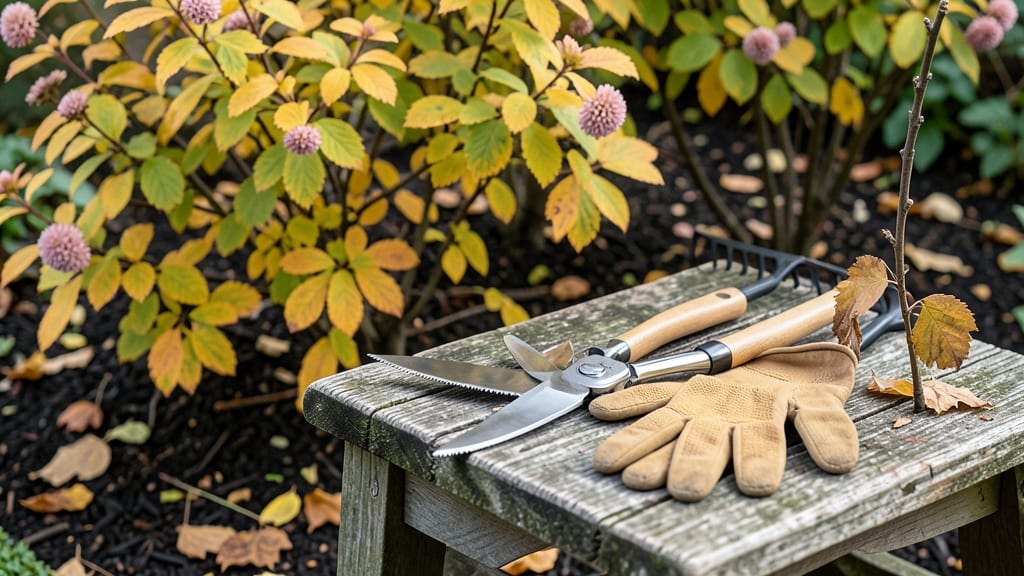
Pruning spirea in the fall is possible, but the timing is critical—late cuts risk winter damage, while early pruning (before frost) promotes new growth. Always target shaping or dead stems, and never remove more than one-third of the plant at once.
Fall pruning works best when done 4-6 weeks before the first hard frost, giving your spirea time to recover before winter dormancy sets in. 🌿 The key is to avoid cutting back to bare wood, as this can expose the plant to cold damage and disease.
For varieties like Spiraea japonica, focus on removing spent blooms or crossing branches to improve airflow—this keeps the plant healthy without sacrificing next year’s flowers.
If you must prune later in the season, wait until after the first light frost when the plant has partially entered dormancy. Just be prepared to protect it with mulch or burlap if freezing temperatures arrive unexpectedly.
The goal is to stimulate growth without stressing the plant before it’s ready for winter.
Pro tip: Use clean, sharp pruners and disinfect them between cuts to prevent spreading bacterial leaf spot—a common issue in damp fall conditions. Always step back after pruning to check for balance, as spirea’s natural shape is part of its charm.
💡 In This Article
- Fall Pruning Risks and Best Practices for Spirea
- Step-by-Step Guide: When and How to Prune Spirea in Fall
Fall pruning risks and best practices for spirea
Late fall pruning triggers a critical problem: spirea plants enter dormancy as temperatures drop, and new growth stimulated by pruning can't harden off before winter. This creates weak, frost-tender shoots that often die back completely.
The science lies in plant hormones—pruning releases ethylene gas, which signals growth, but when temperatures drop below 25°F, these tender shoots lack the protective bark layers of mature stems.
Varieties like Spiraea japonica (Japanese spirea) are particularly vulnerable because their blooms form on old wood, meaning aggressive pruning removes potential flowering stems.
Timing is everything because spirea's growth cycle depends on temperature cues. Early fall cuts (before October 1st in most climates) give the plant 4-6 weeks to recover and develop callus tissue—a natural protective layer at pruning wounds.
This recovery window is crucial for preventing disease entry points. The ideal scenario is to prune when daytime temperatures average 60-70°F but nights are cooling—this balance encourages healing while avoiding late-season flushes that won't mature before frost.
Disease risk spikes in fall because wet conditions (common in autumn) create perfect environments for fungal spores to infect fresh cuts. Spirea's thin bark makes it especially susceptible to powdery mildew and anthracnose after pruning. The solution?
Use sterilized tools (70% isopropyl alcohol) between cuts and avoid pruning during rainy periods. For heavily overgrown plants, spread pruning over two years—removing one-third of the oldest stems each fall—to reduce stress while maintaining the plant's natural shape.
Variety-specific approaches matter too. Spiraea arguta (steeplebush) can handle slightly later pruning because its growth habit is more forgiving, but always wait until after flowering. For Spiraea thunbergii, focus on removing only dead wood—this variety's delicate branches can't support new growth late in the season.
The key visual cue is the plant's foliage: if leaves are still green and firm, it's safe to prune; if they're turning brown or crispy, winter is coming.
Here's what actually happens when you prune too late: The plant's cambium layer (growth tissue) remains active, but without proper hardening, it becomes vulnerable to freeze-thaw cycles. These cycles create ice crystals that rupture cell walls, leading to dieback.
You'll notice this in spring when pruned stems appear blackened or fail to produce new leaves. The solution? If you must prune late, use anti-desiccant spray (like Wilt-Pruf) to protect cuts and apply 2-3 inches of mulch around the base to insulate roots.
One common mistake is pruning to "neatness" rather than health. Spirea's natural, airy habit isn't about symmetry—it's about airflow. Crowded branches trap moisture, creating perfect conditions for fungal diseases. When shaping, aim for an open vase shape with 12-18 inch spacing between branches.
This not only improves airflow but also makes winter care easier—you can more easily wrap or protect the plant if needed.
Remember this rule: If you can see your breath in the morning, it's too late to prune. That's your cue to wait until spring when the plant's natural defenses are strongest.
The exception? Removing dead or diseased stems at any time—these are always safe to cut back completely, as they're not contributing to the plant's health anyway. 🌿