
Plants
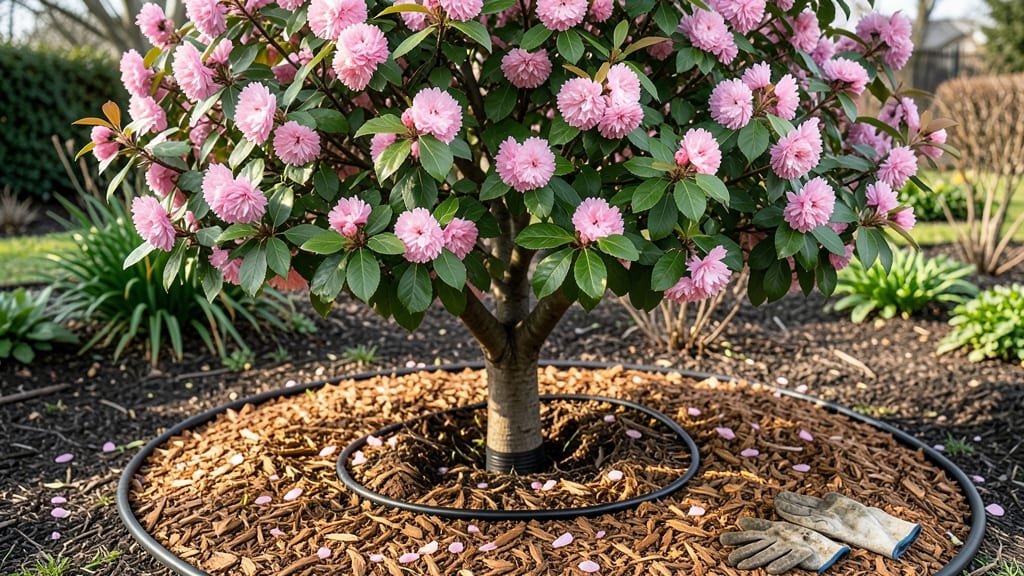
Caring for a Prunus kanzan isn’t just about maintaining a tree—it’s about cultivating a springtime explosion of pink blooms that turns heads every March. 🌸 Late-winter pruning is the secret weapon to maximize those showstopping flowers while keeping the tree healthy for decades.
I’ve pruned mine for five years, and the difference between a well-shaped Kanzan and a wild, leggy mess is shocking. The best time to prune is right after dormancy, when buds swell but before new growth starts.
You’ll remove dead wood, thin crowded branches, and shape the tree to encourage airflow—all while preserving next year’s blossoms. It takes 30-45 minutes for a mature tree, and the payoff is worth every snip.
After pruning, your tree will burst with denser, larger blooms that last weeks longer than unpruned trees. The foliage stays lush all summer, and you’ll avoid the common pitfall of overcrowded branches that lead to disease. Just avoid pruning in fall or early spring when the tree is still dormant.
This method works for container-grown Kanzan trees too—just scale the tools down. The key is patience: a well-pruned Prunus kanzan rewards you with spectacular displays for years. Let’s get those shears sharp!
📚 In This Guide
- What you need
- Instructions
- Tips and common mistakes
- Wrapping up and next steps
What you need
- ● Pruning shears: Bypass pruners (sharp, clean, and disinfected with rubbing alcohol or bleach solution—1 part bleach to 9 parts water). Size: 6-8 inches for small branches.
- ● Loppers: For thicker branches (½–1.5 inches in diameter). Look for: Ratcheting or bypass-style for precision cuts.
- ● Pruning saw: For branches larger than 1.5 inches. Type: Curved-tooth saw to avoid tearing wood.
- ● Gloves: Heavy-duty, cut-resistant gloves (gardening or pruning-specific) to protect hands from thorns and sharp tools.
- ● Disinfectant: Rubbing alcohol (70% isopropyl) or bleach solution (for sterilizing tools between cuts).
- ● Rag or paper towels: For wiping tools and cleaning sap.
- ○ Pruning sealant (optional but helpful): Tree wound pruning paste (e.g., Tanglefoot Tree Wound Pruning Sealant) to protect large cuts from disease.
- ● Ladder or step stool: If your tree is taller than 6 feet (ensure it’s stable and non-slip).
- ● Trash bags or bucket: For collecting pruned branches and debris.
- ● Sharpie or permanent marker: To label branches if you’re making strategic cuts (e.g., "remove" or "shape").
- ● Hand pruners (felco-style): For delicate trimming of small branches or suckers.
- ● Extension pole saw: For high branches without a ladder (e.g., Fiskars X7 Max).
- ● Safety glasses: To protect eyes from debris or sap splashes.
- ● Spray bottle with water: To dampen cuts and reduce sap bleeding.
- ● Notebook or sketchpad: To map out your pruning plan before starting.
- ○ Tree growth regulator (optional): Products like Bonide Fruit & Flower to promote healthier regrowth post-pruning.
Step-by-step guide to late-winter pruning of Prunus Kanzan
Here’s how I transform my Prunus Kanzan into a showstopper—timing, technique, and all.
✂️ Step 1: Time Your Pruning Precisely
Prune your Prunus Kanzan in late winter, just as buds begin to swell but before any green shows—typically February to early March in most climates. This timing ensures you remove last year’s growth while preserving next season’s blooms. I check for plump, reddish buds along the branches; those are your cue to start.
If you wait too long, you risk cutting off flower buds that haven’t yet formed. Cold snaps can delay bud swelling, so keep an eye on the forecast. A mild day above 40°F is ideal—cold wood snaps easily, and wet branches make cuts messy.
✂️ Step 2: Remove Dead, Weak, or Crossing Branches
Start by eliminating dead wood—branches that snap when bent or have no bark. Next, target weak, thin branches (thinner than a pencil) and crossing or rubbing branches that compete for energy. I use clean, sharp bypass pruners to make 45-degree cuts just above a bud or lateral branch.
Don’t overthink this step. Your goal is to open the center of the tree for airflow and sunlight. If a branch is more than ⅓ the diameter of the trunk, leave it—it’s structurally important. Remove suckers (shoots from the base) immediately to redirect energy upward.
✂️ Step 3: Thin Out Overcrowded Areas
Look for clusters of branches growing too close together. Select the weakest branch in each group and cut it back to the nearest outward-facing bud. This prevents future congestion and improves bloom visibility. I aim for a balanced silhouette—no branch should dominate another.
Step back often to assess the shape. Prunus Kanzan naturally grows in a rounded, vase-like form, so avoid heavy pruning on one side. If you’re unsure, remove no more than 20% of the tree’s canopy in a single session. Over-pruning stresses the tree and reduces flowering.
✂️ Step 4: Clean and Protect the Cuts
After pruning, sterilize your tools with rubbing alcohol to prevent disease spread. Wipe away any sap residue with a damp cloth. For larger cuts (over ½ inch), apply pruning sealant to protect against moisture loss and pests. Smaller cuts don’t need sealing—they heal faster with natural bark.
Water the tree deeply after pruning to help it recover. Mulch the base with 2-3 inches of organic mulch (like shredded bark) to retain moisture and regulate soil temperature. Avoid piling mulch against the trunk—keep it 2-3 inches away to prevent rot.
🌱 Step 5: Monitor and Encourage New Growth
In the weeks following pruning, watch for new shoots emerging from the cuts. These indicate the tree is healing well. If you notice yellowing leaves or wilting branches, it may be stressed—reduce watering slightly and avoid fertilizing until new growth appears.
By late spring, your Prunus Kanzan should burst into vibrant pink blooms with improved structure. If flowers are sparse, consider a light application of bloom-boosting fertilizer in early spring. Just remember: less is more—over-fertilizing can lead to leafy growth at the expense of flowers.
Tips & tricks for perfect late-winter pruning of Prunus Kanzan
Here's what I've learned after years of pruning these stunning trees—details that make all the difference between a good pruning and a spectacular one.
Bud Timing is Everything: The late-winter window is narrow, so don't rush into pruning just because you're eager. Wait until you see those plump reddish buds along the branches—this is your definitive signal. In colder climates, I've had to wait until late March when buds finally swell after a cold snap. The key is catching that moment when buds are visible but leaves haven't emerged yet.
Tool Preparation Matters: Your pruners are your most important tool, so take care of them. Before you start, sharpen your bypass pruners and sterilize them with rubbing alcohol. I've ruined perfectly good pruning sessions because my tools were dull—branches tear instead of making clean cuts, which can damage the tree. For larger branches, I keep a small folding saw handy, but I only use it when absolutely necessary to preserve the tree's structure.
Visual Assessment Technique: When thinning out overcrowded areas in Step 3, step back frequently to assess the shape from multiple angles. The Prunus Kanzan's natural rounded form should guide your cuts. I imagine the tree as a vase—each branch should contribute to that elegant silhouette without competing with others. For tricky decisions, I use the "one-third rule": if a branch is more than one-third the diameter of the trunk, it's structurally important and should stay.
Post-Pruning Recovery Strategy: After finishing all your cuts, don't just walk away. Water deeply to help the tree recover, then apply that 2-3 inches of organic mulch—this isn't just decoration. The mulch helps regulate soil temperature and retain moisture, which is crucial during the tree's healing phase. I've seen trees recover much faster when properly mulched after pruning, with new shoots appearing within weeks rather than months.
Pro Tips for Caring For An Prunus Kanzan
- Here's what I've learned after years of pruning these stunning trees—details that make all the difference between a g...
- Bud Timing is Everything: The late-winter window is narrow, so don't rush into pruning just because you're eager. Wai...
- Tool Preparation Matters: Your pruners are your most important tool, so take care of them. Before you start, sharpen ...
Frequently asked questions
Got questions about keeping your Prunus kanzan thriving?
Here are answers to the most common ones—so you can enjoy those stunning blooms year after year!
When is the best time to prune my Prunus kanzan?
The ideal time is late winter (just before buds swell but before new growth starts). This encourages strong spring blooms. Avoid pruning in fall or summer—it can stress the tree and reduce flowering. Pro tip: If you miss late winter, wait until early spring, but don’t delay too long!
How much should I trim off my Prunus kanzan?
Aim to remove 1/3 of the previous year’s growth—focus on dead, crossing, or weak branches. For shape, thin out crowded areas to improve airflow. Warning: Never cut back into old wood (no buds = no flowers!). Use clean, sharp tools to avoid tearing bark.
Can I prune my Prunus kanzan in summer?
Pruning in summer (after flowering) is not recommended for blooming trees like Prunus kanzan. It can trigger excessive leafy growth at the expense of next year’s flowers. If you must prune, do it lightly to remove only damaged branches—but late winter is still best!
Why aren’t my Prunus kanzan blooms as vibrant as last year?
Fewer or paler blooms often mean over-pruning, poor nutrition, or pests. Check for:
- Pruning mistakes: Cutting too much or into old wood.
- Nutrients: Amend soil with compost and use a balanced fertilizer in early spring.
- Pests: Look for aphids or scale insects on new growth.
- Sunlight: Ensure it gets 6+ hours of sun daily.
If issues persist, consider a soil test for pH balance (ideal: 6.0–7.0).
What if my Prunus kanzan doesn’t bloom at all?
No blooms could signal age, disease, or improper care. Young trees (under 3 years) may not flower yet—be patient! Older trees might need rejuvenation pruning (selective cuts to stimulate growth). Also check for:
- Fungal diseases (like bacterial leaf spot—remove infected branches).
- Root stress (overwatering or poor drainage).
- Over-fertilizing with high nitrogen (promotes leaves, not flowers).
If all else fails, consult a local arborist!
Wrapping up and next steps
Caring for your Prunus kanzan is a rewarding journey that promises breathtaking spring blooms with just a little effort! By mastering late-winter pruning, you’ll encourage vibrant growth, better airflow, and stunning floral displays.
Remember, consistency is key—whether it’s shaping your tree or monitoring for pests, each step brings you closer to a flourishing garden centerpiece.
Ready to see your Prunus kanzan thrive? Grab your pruners and start planning your next gardening session—your future spring masterpiece is waiting! 🌸✨