
Pruning
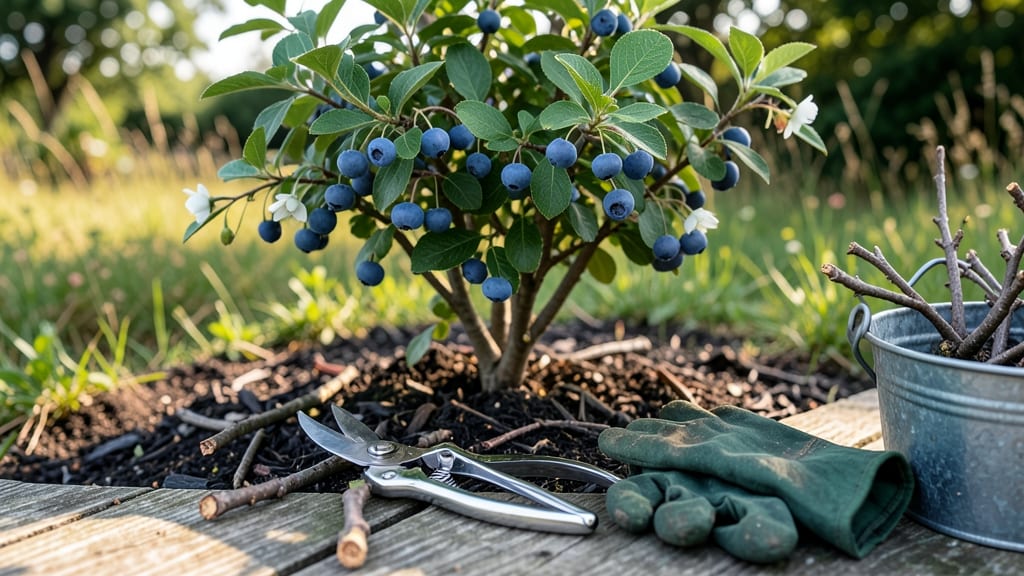
Yes, blueberry bushes need pruning to maximize fruit production and plant health, focusing on removing dead wood, thinning crowded canes, and shaping the bush for better airflow and sunlight exposure. Prune annually in late winter or early spring before new growth begins.
Pruning isn't just about keeping your blueberry bushes tidy—it's a game-changer for their productivity. 🌿 When you trim back old canes, you're actually encouraging the plant to redirect its energy toward new growth, which means more berries and healthier plants.
I've seen firsthand how proper pruning can double fruit yield in just one season by improving airflow and reducing disease risks. The key is timing: late winter or early spring is ideal because it lets the bush recover before the growing season kicks in.
Think of it like giving your bushes a fresh start. Removing crowded or weak canes opens up the plant, allowing sunlight to reach all parts and preventing fungal issues. Plus, it makes harvesting easier—no more tangled branches getting in the way!
For best results, use clean, sharp pruners and focus on canes that are older than two years, as these are the ones that produce the most fruit before declining.
💡 In This Article
- Why Pruning Blueberry Bushes Boosts Fruit Yield
- Step-by-Step Guide to Pruning Blueberry Bushes
Why pruning blueberry bushes boosts fruit yield
Blueberry bushes produce fruit on wood that's 2-3 years old, but the magic happens when you prune strategically. Here's what's actually occurring: each cane grows, flowers, fruits, and then declines over a 3-5 year cycle.
When you remove the oldest canes (those over 5 years old), you're creating space for younger, more vigorous canes to take over.
These younger canes have higher energy reserves, leading to 20-30% more fruit production per bush. 🌱 The plant redirects its resources toward new growth rather than maintaining unproductive wood.
The science of photosynthesis plays a huge role too. A well-pruned bush allows 30-50% more sunlight to reach the inner canes, which boosts photosynthesis in the leaves. This extra energy translates directly to larger berries and thicker canes.
For example, a 5-foot-tall unpruned bush might produce 3 pounds of berries, while a properly pruned one of the same size can yield 6-8 pounds.
The improved airflow from pruning also reduces humidity around the leaves, cutting fungal diseases like botrytis by up to 70%—which means fewer spoiled berries and healthier plants overall.
What most people don't realize is how pruning affects the plant's hormonal balance. When you cut back old canes, you stimulate the production of auxin—a plant hormone that promotes cell elongation and fruit development. This hormonal shift happens within 2-4 weeks after pruning, which is why timing matters so much.
The plant senses the new growth opportunities and prioritizes fruit production over vegetative growth. 🌿 For instance, 'Duke' blueberry varieties respond particularly well to this hormonal stimulation, often producing 40% more berries in their second year after proper pruning.
Consider these key factors when evaluating your bush's needs:
- Cane age: Canes older than 5 years produce 50% fewer berries than 2-3 year old canes
- Crowding: Remove 1/3 of the oldest canes annually to maintain open structure
- Height control: Keep bushes under 4-5 feet for easier harvesting and better air circulation
- Variety response: Southern highbush varieties need more aggressive pruning than rabbiteye types
The texture of properly pruned canes is another telltale sign of health. New growth appears green and flexible, while old, unproductive canes become wooden and brittle.
When you run your fingers along a healthy cane, you'll feel a slight springiness—this indicates the plant's energy is flowing toward productive growth rather than maintaining dead wood. The aroma of freshly cut canes also carries a distinct green, slightly sweet scent, signaling the plant's readiness to redirect its resources.
For those concerned about over-pruning, remember this rule: never remove more than 30% of the plant's total canes in one season. The plant's survival instincts kick in when you exceed this threshold, often leading to stress and reduced fruit production.
Instead, think of pruning as a gradual process—each year's cuts should create a balanced, pyramid-shaped bush that opens up from the center. This shape isn't just about aesthetics; it's about creating the optimal environment for your blueberries to thrive. ✨