
Pruning
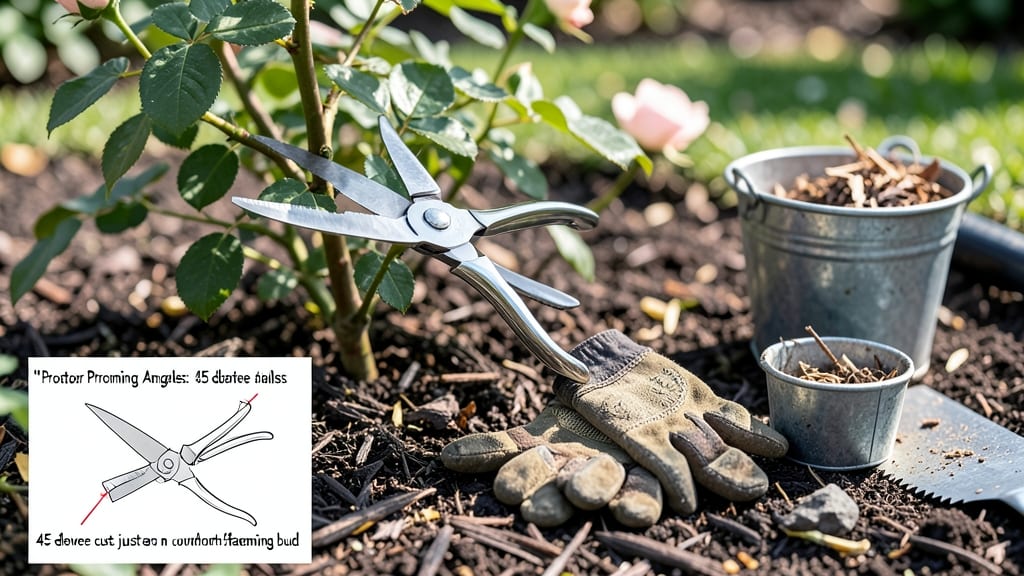
Pruning a rose tree isn’t just about snipping branches—it’s the secret to vibrant blooms that last all season. 🌹 I’ve turned my struggling bushes into the envy of the neighborhood by mastering the right cuts, and I’ll show you how to do it without fear or hesitation.
The key? Timing, technique, and knowing what to keep (and what to toss). You’ll need sharp pruners, rubbing alcohol for cleaning, and a clear day to work—no guesswork, just confidence. Start by removing dead, diseased, or crossing branches first, then shape the plant to encourage airflow and sunlight penetration.
This isn’t rocket science; it’s about understanding how roses grow and giving them the best chance to thrive. By the time you’re done, your roses will look like they’ve been professionally manicured, with strong canes and buds ready to burst into color.
The best part? You’ll see new growth within 2-3 weeks, proving every cut was worth it. Whether you’re pruning for spring blooms or cleaning up after winter, this method works year-round.
Avoid the common mistakes—like cutting too late in the season or leaving stubs—and your roses will reward you with healthier stems, more flowers, and fewer pests. Let’s get those shears ready!
📚 In This Guide
- What you need
- Instructions
- Tips and common mistakes
- Wrapping up and next steps
What you need
- ● Pruning shears: Sharp, bypass pruners (4-6 inches) for clean cuts on smaller stems. Dull blades crush stems, inviting disease!
- ● Loppers: 8-10 inch bypass loppers for thicker branches (up to 1.5 inches in diameter). Look for ratcheting handles for extra leverage.
- ● Pruning saw: A folding pruning saw (10-12 inches) for stubborn, thick branches (1.5+ inches). Choose a fine-tooth blade to avoid tearing.
- ● Disinfectant: 70% isopropyl alcohol or a 10% bleach solution (1 part bleach to 9 parts water) to sterilize tools between cuts and prevent bacterial spread.
- ● Gloves: Heavy-duty gardening gloves (leather or reinforced) to protect against thorns and scrapes.
- ● Rubbing alcohol or hand sanitizer: For cleaning hands after handling diseased branches.
- ○ Pruning sealant: Tree wound paint (optional) for large cuts to reduce sap loss and disease entry. Note: Only use on cuts larger than 0.5 inches.
- ● Tarp or drop cloth: To collect debris and protect surrounding plants or pathways.
- ● Marking twine or flags: For labeling branches to remove (if pruning in stages).
- ● Safety glasses: To shield eyes from flying debris, especially when using a pruning saw.
- ● Knee pads: For comfort if your rose tree is large or the ground is uneven.
- ● Weather check: Prune on a dry, cloudy day to avoid stressing the plant. Morning hours are ideal to prevent afternoon heat.
- ● Research your rose type: Know whether your rose is climbing, shrub, hybrid tea, or old garden—pruning techniques vary!
- ● Clear the workspace: Remove weeds, dead leaves, or debris within 3 feet of the rose tree to minimize disease spread.
- ● Plan your cuts: Sketch a rough outline of branches to remove (if needed) or use the "third-eye" method for shrub roses.
Instructions for pruning a rose tree: seasonal steps for stronger growth
Here's the method I've used for years to keep roses blooming abundantly—no guesswork, just clear steps.
✂️ Step 1: Gather Tools and Identify Pruning Time
Start by sharpening your bypass pruners—dull blades tear stems and invite disease. For larger branches, grab loppers or a pruning saw. Disinfect tools with rubbing alcohol between cuts to prevent spreading bacteria. I always prune on a dry, cloudy day—wet conditions encourage fungal spores to hitch a ride on fresh cuts.
Timing matters most: Late winter/early spring (just before buds swell) is the main pruning window. Summer pruning focuses on deadheading (removing spent blooms) and shaping. Never prune in fall—roses need their leaves to build energy for next year's growth. Look for swollen buds as your cue that spring pruning season has arrived.
✂️ Step 2: Remove Dead, Diseased, or Weak Wood
Scan your rose for dead wood (brown, brittle stems) and diseased canes (black spots, oozing sap). Cut these out first—they're energy vampires. Make your cuts at a 45-degree angle, about ¼ inch above an outward-facing bud. This ensures new growth will angle outward, improving airflow and sunlight penetration.
For weak stems (thin, spindly growth), remove them entirely at the base. You'll see these as the "whippy" stems that never seem to thicken. I like to leave 3-5 strong canes as the main framework—this keeps the plant's energy focused on fewer, stronger stems. If a branch is larger than your thumb, use loppers to avoid crushing the stem.
✂️ Step 3: Shape the Rose for Optimal Airflow
Step back and visualize your rose's open vase shape—this is the gold standard for roses. Start by removing crossing branches that rub against each other (these create wounds where disease enters). Cut back any branches growing straight up (they'll never get enough light). Aim for a rounded, slightly wider-than-tall form.
For hybrid teas and floribundas, leave 3-5 main stems with 5-7 buds each. For shrub roses, maintain a multi-stemmed bush with several strong canes. Watch for suckers (shoots growing from the base)—remove these immediately. They drain energy from the main plant. After shaping, wipe down any sap with a damp cloth to prevent mildew.
🌿 Step 4: Summer Maintenance for Continuous Blooms
Every time you see a spent bloom, snip it off just above the next set of five-leaflet leaves (this is where new flower buds form). I use my fingers to pinch off small blooms—no need for tools. This encourages the plant to produce more flowers instead of seed pods. For large clusters, use pruners and make clean cuts at the same 45-degree angle.
Thin out crowded areas by removing the weakest stems in each cluster. You'll know you've done it right when sunlight reaches the center of the plant and air can circulate freely. Water deeply after pruning to help the rose recover. Look for new growth within 7-10 days—this is your sign the plant is happy with the changes.
⏰ Step 5: Clean Up and Prepare for Next Season
After your final pruning of the year (usually in late fall), rake up all fallen leaves and debris—this removes overwintering pests and diseases. I like to apply a 2-inch layer of mulch around the base (but not touching the stem) to protect roots from freeze-thaw cycles. For container roses, move pots to a protected location or wrap the container in burlap for winter.
Mark your calendar for next year's pruning date—most roses need attention in February or March, depending on your climate. Store your tools in a dry place and sharpen them again before next season. The key to long-term success is consistency: prune the same way each year, and your rose will reward you with healthier stems, more blooms, and fewer problems.
Tips & tricks for pruning a rose tree
Real talk: Pruning roses isn't just about cutting back—it's about sculpting a plant that thrives. These small adjustments make all the difference between a rose that struggles and one that bursts with blooms.
Tool Prep is Non-Negotiable: I learned this the hard way after ruining three rose bushes with dull pruners. Always sharpen your tools before starting—dull blades crush stems instead of making clean cuts, which invites disease. For larger branches, use loppers to avoid tearing the bark. Pro tip: Wipe tools down with rubbing alcohol between cuts on different plants to prevent spreading fungal spores. This simple step keeps your roses healthier for years.
Timing is Everything: The late winter/early spring window (just before buds swell) is your golden hour. If you prune too early, you risk damaging dormant buds. In summer, focus on deadheading spent blooms immediately—they're energy drains! I've seen roses go from sparse blooms to lush growth just by sticking to this timing. For container roses, you can prune slightly earlier in spring since they warm up faster.
Shape Like a Pro: Visualize an open vase shape—this is your target. Cutting back branches growing straight up (they'll never get sunlight) and removing crossing branches (they create wounds) transforms your rose from a tangled mess to an airy, blooming masterpiece. For hybrid teas, aim for 3-5 main stems with 5-7 buds each. This structure ensures strong growth and better airflow, which prevents fungal diseases. After shaping, wipe any sap with a damp cloth to prevent mildew buildup.
Summer Maintenance Secret: The 7-10 day rule after pruning is your best friend. If you don't see fresh green growth within this window, your cuts might be too severe or the plant needs more nutrients. I've found that watering deeply after summer pruning helps the rose recover faster. For crowded areas, remove the weakest stems first—this opens up the center so sunlight can reach all parts of the plant.
Pro Tips for Prune A Rose Tree
- Real talk: Pruning roses isn't just about cutting back—it's about sculpting a plant that thrives.
- Tool Prep is Non-Negotiable: I learned this the hard way after ruining three rose bushes with dull pruners.
- Timing is Everything: The late winter/early spring window (just before buds swell) is your golden hour.
Frequently asked questions
Got questions about pruning your rose tree? You’re not alone—even experienced gardeners have doubts! Below, we’ve rounded up the most common queries to help you prune like a pro and keep those blooms coming.
When is the best time to prune roses?
The ideal window is late winter or early spring (just before new growth starts), but you can also do light pruning after major blooms fade. Avoid pruning in fall unless your climate is mild—cold weather can stress the plant. For climber roses, prune right after flowering to encourage new growth.
How much can I cut back my rose bush?
For most roses, aim to cut back one-third to half of the previous year’s growth. Look for outward-facing canes (they’ll form a natural vase shape) and remove any dead, diseased, or crossing branches. Over-pruning can stunt blooms, while under-pruning may lead to overcrowding.
What if I see sap oozing after pruning?
Don’t panic—this is normal! The sap (called rose latex) is the plant’s way of sealing wounds. Just leave it be; it’ll dry and protect the cut. If you’re concerned about pests, clean your pruners with rubbing alcohol between cuts to prevent spreading disease.
Can I prune roses in summer?
Yes, but lightly! Summer pruning is best for shaping, removing spent blooms, or thinning crowded areas. Avoid heavy pruning—it can stress the plant and reduce fall/winter hardiness. If your roses are hybrid teas or grandifloras, focus on deadheading (removing faded blooms) to encourage more flowers.
What do I do if my rose bush isn’t blooming after pruning?
Check these three culprits:
- Timing: Pruned too late? New growth needs time to harden off before blooming.
- Light: Roses need 6+ hours of sun daily—shady spots = fewer blooms.
- Nutrients: Feed with a balanced rose fertilizer (10-10-10) in early spring and mid-summer.
Wrapping up and next steps
Pruning your rose tree might seem intimidating at first, but with the right tools, timing, and technique, you’ll unlock vibrant blooms and a stronger plant—year after year! 🌹 Remember, the key is to cut with confidence, focus on healthy growth, and adapt to your rose’s unique needs.
Whether you’re tackling dead wood in winter or shaping for summer, your efforts will pay off in lush, thriving roses.
Now that you’re armed with knowledge, grab those shears and get pruning! For extra inspiration, check out our seasonal rose care calendar to keep your garden flourishing all year. Happy gardening! 🌿