
Pruning
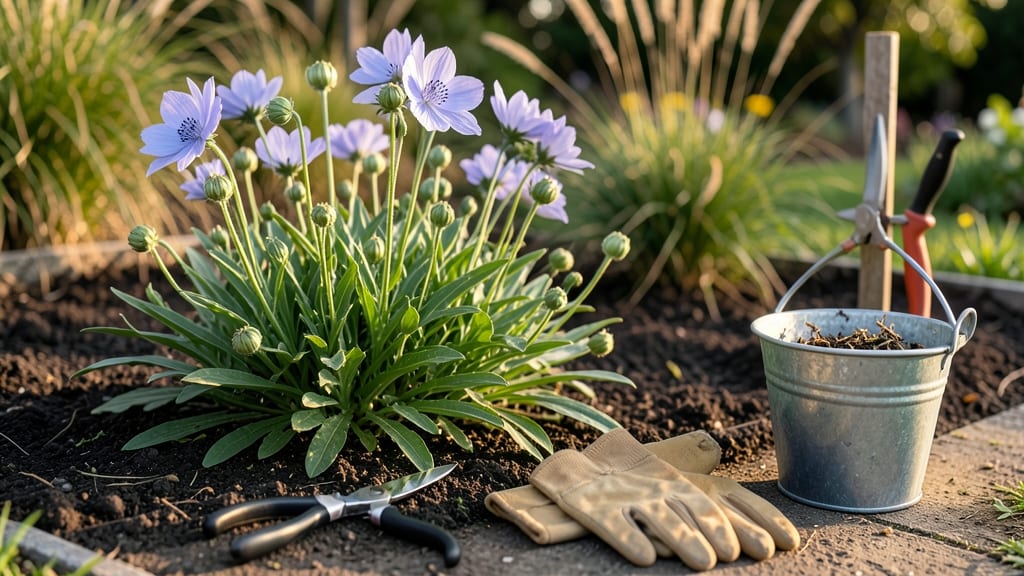
Late-winter pruning turns your balloon flowers into blooming powerhouses. ✂️ I’ve pruned mine for years, and this one trick—cutting back one-third of the plant in February—keeps them flowering until frost. The key? Timing, sharp tools, and knowing exactly where to snip.
You’ll need clean pruners, a glove (balloon flowers can be prickly), and a sunny day to avoid stressing the plant. Skip the shears—dull blades tear stems, inviting disease. I also recommend marking your plants with twist ties if you have multiple varieties, so you don’t mix them up.
After pruning, your plants will send up fresh, vibrant green shoots in weeks. The blooms that follow are larger and more abundant than unpruned plants, and the foliage stays neat and compact all season. Just avoid cutting into old wood—focus on the top third of the plant.
This method works for all Platycodon varieties, from the classic blue ‘Astra Blue’ to the striking ‘Mariesii’. Whether you’re shaping a border or keeping a single specimen tidy, the same rules apply. Ready to give it a try?
📚 In This Guide
- What you need
- Instructions
- Tips and common mistakes
- Wrapping up and next steps
What you need
- ● Pruning shears or secateurs – Sharp, clean, and bypass-style (avoid anvil types to prevent crushing stems). 1 pair is all you need.
- ● Garden gloves – Heavy-duty, cut-resistant (balloon flower stems can be prickly!). Opt for nitrile-coated for extra grip.
- ● Disinfectant (70% isopropyl alcohol or bleach solution) – 1 small spray bottle or wipe to sterilize tools between cuts (prevents disease spread).
- ○ Garden twine or plant ties – Optional but helpful for supporting stems post-pruning (if your balloon flowers are leggy).
- ● Compost or mulch – 1 small bag to replenish soil after pruning (boosts recovery).
- ● Hand pruners (smaller than shears) – For tight spaces or delicate trimming.
- ● Loppers – If pruning woody stems (uncommon for balloon flowers but useful for overgrown plants).
- ● Plant food (balanced fertilizer, 10-10-10) – A small handful to give your flowers a post-pruning boost.
- ● Knee pad or stool – For comfort if your garden bed is large or hard to reach.
- ● Camera or journal – To document progress (great for tracking growth year-over-year!).
Step-by-Step guide to pruning balloon flowers for stronger growth
Late winter is the perfect time to shape your balloon flowers—here’s how to do it right.
✂️ Step 1: Remove Dead or Damaged Stems
Start by inspecting your balloon flowers for any stems that are brown, brittle, or showing signs of disease. Use sharp, clean pruners to cut these stems at a 45-degree angle, about ¼ inch above a healthy leaf node. This prevents water from pooling and causing rot while encouraging new growth from the right spot.
I always work from the bottom up—removing dead stems first clears the way to see what’s left. If you’re unsure whether a stem is dead, gently scratch the bark with your fingernail. If it’s green underneath, leave it; if it’s dry and brown, cut it out. Balloon flowers are tough, but dead wood just takes energy away from blooming.
✂️ Step 2: Thin Out Crowded Stems
Balloon flowers often grow in clusters, and too many stems competing for nutrients leads to weaker blooms. Aim to leave 3-5 of the strongest, healthiest stems per plant, cutting the rest back to the ground. Look for stems that are thick, upright, and free of blemishes—these are your keepers.
Here’s the thing—if you’re unsure which stems to keep, choose the ones closest to the center of the plant. These are usually the most established and will rebound fastest. Avoid leaving stems that are leaning or growing in odd directions; they’ll never produce strong blooms and may flop over later in the season.
✂️ Step 3: Prune for Shape and Airflow
Now it’s time to refine the plant’s shape. Balloon flowers respond well to light pruning to encourage bushier growth. Cut back any stems that are crossing or rubbing against each other—this improves airflow and reduces the risk of fungal diseases like powdery mildew. Prune just above a set of leaves or a bud to encourage branching.
I like to step back and visualize the plant as a rounded dome. If one side looks sparse, trim a few stems from the fuller side to balance it out. Balloon flowers bloom on new wood, so don’t be afraid to cut back aggressively—you’ll be rewarded with even more flowers in spring and summer.
⏰ Step 4: Clean Up and Fertilize
After pruning, rake up and dispose of all the clippings—don’t leave them near the base of the plant, as they can harbor pests or diseases. Once the ground is clear, apply a balanced, slow-release fertilizer (like 10-10-10) around the base of the plant. Water deeply to help the fertilizer soak into the soil and reach the roots.
This is also a great time to add 2-3 inches of mulch around the plant (if you have it). Mulch helps retain moisture, regulates soil temperature, and keeps weeds down. Just keep it a few inches away from the stems to prevent rot. Your balloon flowers will thank you with stronger roots and bigger blooms come spring.
Tips & tricks for pruning balloon flowers
These simple tricks will help you prune like a pro and set your balloon flowers up for a spectacular blooming season.
Tool Prep: Sharpen your pruners before you start—dull blades crush stems instead of cutting cleanly, which can damage the plant. I also like to dip my pruners in rubbing alcohol between cuts to prevent spreading disease from one stem to another. This might seem like overkill, but it's the difference between healthy plants and ones struggling with infections.
Visual Inspection Tip: In Step 1, when you're checking for dead stems, look for another telltale sign: tiny holes or sawdust-like frass along the stem. These are signs of borer infestations, which can be devastating. If you find them, treat immediately with horticultural oil or insecticidal soap after pruning. Balloon flowers can recover from light infestations if you catch them early.
Pruning for New Growth: When you're thinning stems in Step 2, remember that balloon flowers bloom on new wood. That means you're not just shaping the plant—you're creating next year's flower buds. Cut back to just above a leaf node where you want new growth to emerge. I like to make my cuts just above a set of healthy leaves to give the plant the best chance to rebound quickly.
Fertilizer Timing: In Step 4, don't rush to fertilize right after pruning. Wait 2-3 days first—this gives any small wounds time to heal and reduces the risk of fertilizer burn. When you do apply that 10-10-10 fertilizer, water it in thoroughly to help it reach the roots where it's needed most. I also like to add a handful of compost to the planting hole at this stage for extra nutrients.
Pro Tips for Prune Balloon Flowers
- These simple tricks will help you prune like a pro and set your balloon flowers up for a spectacular blooming season.
- Tool Prep: Sharpen your pruners before you start—dull blades crush stems instead of cutting cleanly, which can damage the plant.
- Visual Inspection Tip: In Step 1, when you're checking for dead stems, look for another telltale sign: tiny holes or sawdust-like frass along the stem.
Frequently asked questions
Got questions about pruning Platycodon grandiflorus (balloon flowers)? You’re not alone! Here are the most common concerns—plus expert answers to keep your plants thriving.
When is the best time to prune balloon flowers?
Late winter or early spring (just before new growth starts) is ideal—this removes dead foliage and encourages fresh, vigorous blooms. For light pruning (like shaping), you can also trim back spent flowers in late summer after blooming. Avoid heavy cuts in fall, as the plant needs energy to store for winter.
How much should I cut back balloon flowers?
Cut back one-third to half of the plant’s height in late winter. For example, if your plant is 18 inches tall, trim it to 9–12 inches. Never cut into old wood (woody stems)—always leave some green growth or buds. Over-pruning can stress the plant and reduce flowering.
What if my balloon flowers look dead after pruning?
Don’t panic! If stems appear mushy or black (signs of rot), cut those sections out immediately. Healthy stems should be firm and green inside. If the entire plant looks limp, it might be dormant—wait a few weeks for new shoots. If no growth appears by early spring, the plant may have died (common in harsh winters).
Can I prune balloon flowers for bushier growth?
Yes! Pinch back the tips of new growth in early summer to encourage branching. Use clean, sharp pruners to snip just above a leaf node (where leaves meet the stem). This trick works best on young plants (under 2 years old) and can double your flower power!
What if I miss the late-winter pruning window?
No stress—balloon flowers are forgiving! If you skip late-winter pruning, wait until after the first blooms fade in summer. Trim back spent flower stalks to the base and shape the plant lightly. Just avoid heavy cuts in fall, as the plant needs time to harden off for winter.
Still unsure? Join the conversation—our gardening community loves helping with balloon flower care!
Wrapping up and next steps
Pruning your Platycodon grandiflorus (balloon flowers) in late winter isn’t just a chore—it’s your secret to vibrant blooms and lush foliage all season!
By following these steps—clearing dead growth, shaping strategically, and fertilizing—you’re giving your plants the fresh start they deserve. 🌸 With patience and care, your garden will reward you with bold, healthy flowers that turn heads.
Ready to level up your pruning game? Grab your shears and head outside—your balloon flowers are waiting for their big transformation! For even more tips, check out our guide on seasonal plant care to keep your garden thriving year-round.