
Pruning
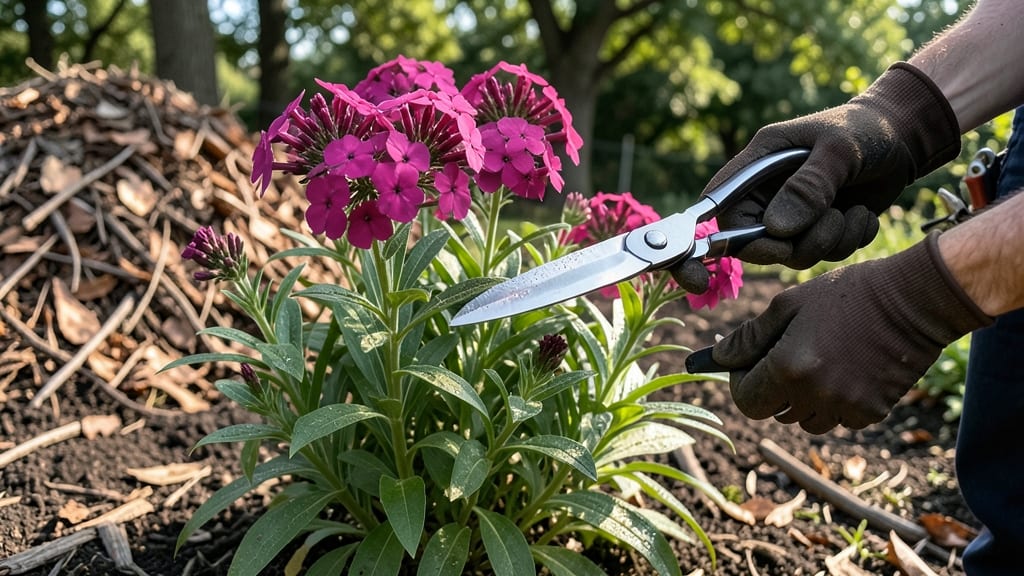
Late-winter phlox pruning turns floppy stems into a bushier, longer-blooming plant. ✂️ I’ve watched my phlox go from sad, leggy clumps to vibrant, flower-packed shrubs after just one proper cut—here’s exactly how to do it without killing your plants.
Timing is everything: prune after the last frost but before new growth starts, usually in February or March. Grab sharp pruners, gloves, and a bucket for clippings—you’ll be removing about ⅓ of the plant’s height.
Cut just above a leaf node or bud to encourage branching, and avoid leaving stubs.
The payoff? Thicker stems, more blooms, and flowers that last 2-3 weeks longer than unpruned plants. Proper cuts also improve airflow, cutting down on powdery mildew—the #1 phlox killer. Just don’t overdo it: healthy phlox bounce back, but aggressive cuts shock the plant.
Works for both garden phlox (Perennial Phlox) and creeping phlox (Phlox subulata). After pruning, water deeply and add a light mulch to protect roots. Your plants will thank you with a showstopping summer display.
📚 In This Guide
- What you need
- Instructions
- Tips and common mistakes
- Wrapping up and next steps
What you need
- ● Pruning shears or sharp bypass pruners: Choose clean, sterilized tools (alcohol wipes or a 10% bleach solution work great). Opt for 5-inch blades for precision.
- ● Gloves: A pair of gardening gloves (nitrile or leather) to protect your hands from thorns and dirt.
- ● Disinfectant solution: Mix 1 part bleach to 9 parts water (or use 70% isopropyl alcohol) to sterilize tools between cuts.
- ● Garden twine or plant ties: 10–15 feet of 1/8-inch twine to secure stems if needed.
- ● Trash bag or compost bin: For disposing of pruned debris (aim for 1–2 gallons capacity).
- ● Hand pruners: For smaller stems or tight spaces.
- ● Knee pad or stool: To avoid strain while working close to the ground.
- ● Labeling tags: If you’re dividing phlox and replanting cuttings.
- ● Fungicide spray: Copper-based (e.g., Bordeaux mixture) to prevent disease if plants look stressed.
Step-by-step guide to pruning phlox for stronger growth
Here's the method I use every late winter to rejuvenate my phlox—it keeps them blooming longer and healthier each season.
✂️ Step 1: Wait for the Right Time to Prune
Phlox needs a clean cut in late winter, just as new growth begins but before buds swell. This usually falls between late February and early March in most climates, right after the ground thaws but before spring rains arrive. You'll know it's time when you see the first hint of green poking through the soil.
Never prune in fall or early winter—this removes protective foliage and exposes tender roots to cold. I always mark my calendar for February 15th as a reminder, since that's when my zone 5 garden typically wakes up. If you're unsure, check for 1-2 inches of new growth before reaching for the shears.
✂️ Step 2: Cut Back to the Right Height
Use clean, sharp pruners to cut back the previous year's stems to within 2-3 inches of the ground. This might seem drastic, but phlox is hardy and will bounce back beautifully. The key is to leave a few inches of stubble—this prevents cutting into the crown where new buds form.
I like to make clean cuts at a 45-degree angle just above a leaf node or bud. This encourages water to run off the cut and reduces rot risk. If your phlox is particularly leggy, you can cut even lower—just avoid removing more than ⅓ of the plant's height in one go. Watch for bright green growth within a week of pruning—that's your sign everything's working.
☀️ Step 3: Clean Up Debris and Fertilize
After pruning, rake away all the old stems and leaves—this prevents fungal diseases from overwintering in the garden. I spread a 2-inch layer of compost over the area and mix it lightly into the top inch of soil. This adds nutrients without overwhelming the new growth.
Now's also the time to apply a balanced fertilizer (10-10-10) at half strength. I use a quarter cup per plant, working it into the soil around the base. Avoid high-nitrogen fertilizers—they encourage leafy growth at the expense of flowers. Water deeply after fertilizing to help nutrients settle into the soil. You'll see new shoots emerge within 10-14 days if everything's just right.
🌱 Step 4: Monitor for New Growth and Adjust Care
Keep the soil consistently moist but not soggy during the first few weeks after pruning. Phlox roots are shallow, so I water 2-3 times per week until I see 4-6 inches of new growth. Mulch with 1-2 inches of shredded bark to retain moisture and suppress weeds—just keep it 2 inches away from the stems to prevent rot.
Real talk: If you notice yellowing leaves after pruning, it's usually from overwatering. Phlox prefers well-draining soil and can handle drought better than soggy conditions. Once the new growth reaches 6 inches tall, you can reduce watering to once a week unless your area experiences extreme heat. This is when the magic happens—your phlox will reward you with longer, fuller blooms come summer.
Tips & tricks for perfect late-winter phlox pruning
A few simple strategies will help you avoid common mistakes and get the most out of your phlox's late-winter haircut.
Timing is Everything: The February 15th target date I mention is perfect for zone 5 gardens, but adjust based on your climate. In warmer zones, you might need to wait until early March. I've learned this the hard way—pruning too early can shock tender new growth, while waiting too long risks missing the optimal window before buds swell. Watch for those first green shoots as your ultimate guide.
Pruning Technique Matters: That 45-degree angle cut isn't just for looks—it's a functional design that prevents water from pooling on the stem, which could lead to rot. I use clean pruners every time to avoid spreading disease between plants. For particularly thick stems, I make two cuts: first a shallow cut to remove the bulk, then a clean cut at the proper angle. This gives you more control and a smoother finish.
Post-Pruning Care Makes the Difference: The 2-inch compost layer and quarter cup of fertilizer per plant are non-negotiable for me. I've found that mixing the compost into the top inch of soil rather than just piling it on top gives the roots better access to nutrients. This is especially important after the shock of pruning—your phlox needs that nutrient boost to bounce back strong. Watering deeply after fertilizing helps those nutrients settle where they'll do the most good.
Monitoring Growth is Key: Those 4-6 inches of new growth you should see in a few weeks are your reward for doing everything right. If you're not seeing that, check your watering—phlox roots are shallow and need consistent moisture but hate soggy conditions. I keep a log of when I water and what the weather's been like, which helps me spot patterns in what works best for my particular garden conditions.
Pro Tips for Pruning Phlox Plants
- A few simple strategies will help you avoid common mistakes and get the most out of your phlox's late-winter haircut.
- Timing is Everything: The February 15th target date I mention is perfect for zone 5 gardens, but adjust based on your climate.
- Pruning Technique Matters: That 45-degree angle cut isn't just for looks—it's a functional design that prevents water from pooling on the stem, which could lead to rot.
Frequently asked questions
Got questions about pruning your phlox? You’re not alone! Here are answers to the most common concerns—so you can confidently snip and snap for stunning blooms.
When is the absolute best time to prune phlox?
The ideal window is late winter (after the last frost but before new growth starts). For most phlox varieties, this means February–March in temperate climates. Pro tip: If you’re unsure, wait until you see fresh green shoots emerging—then trim just above those buds!
What if I missed the late-winter deadline? Can I still prune?
Yes! You can prune phlox anytime during dormancy (fall or early spring), but avoid cutting back after blooms appear. If you wait until summer, just trim spent flowers to encourage reblooming. Warning: Over-trimming in summer may stress the plant.
How much can I cut back? Will I kill my phlox?
Don’t panic—phlox is tough! You can safely cut back one-third to half of the plant’s height. For woody-stemmed varieties (like Phlox paniculata), trim to 6–12 inches tall. For creeping phlox, leave some foliage to protect against weeds. Pro tip: Take a photo first to visualize the shape!
Should I prune dead or diseased stems differently?
Always remove any blackened, mushy, or moldy stems first—even if it’s not the “official” pruning season. Use sterilized shears (rubbing alcohol works) to prevent spreading disease. For healthy stems, follow the late-winter guidelines. Bonus: Dispose of diseased clippings in the trash, not compost!
Will pruning make my phlox bloom bigger or more abundant?
Yes! Proper pruning redirects energy to stronger stems and more flowers. Cutting back old growth removes crowded, weak stems that compete for nutrients. Result? Healthier plants with larger, longer-lasting blooms next season. Just avoid “haircutting” too close to the base—leave 1–2 inches of growth!
What if my phlox doesn’t bloom after pruning?
Check these three culprits:
- Timing: Did you prune after new growth started? Wait until late winter next time.
- Fertilizer: Phlox loves balanced feed (10-10-10) in early spring.
- Sunlight: Ensure it gets 6+ hours of sun—shady spots = fewer blooms.
If the problem persists, your phlox may need rejuvenation pruning (cutting back to the ground in early spring).
Wrapping up and next steps
Pruning your phlox in late winter isn’t just about tidying up—it’s your secret weapon for vibrant, long-lasting blooms all season! By cutting back dead growth, removing crowded stems, and sharpening your shears, you’re giving your plants the fresh start they deserve.
With a little patience and care, your phlox will reward you with showstopping color and healthier foliage.
Ready to see the difference? Grab your pruners and give your phlox the TLC they crave—your garden will thank you! For extra tips, check out our pruning timeline to keep your plants thriving year-round. 🌸✂️