
Pruning
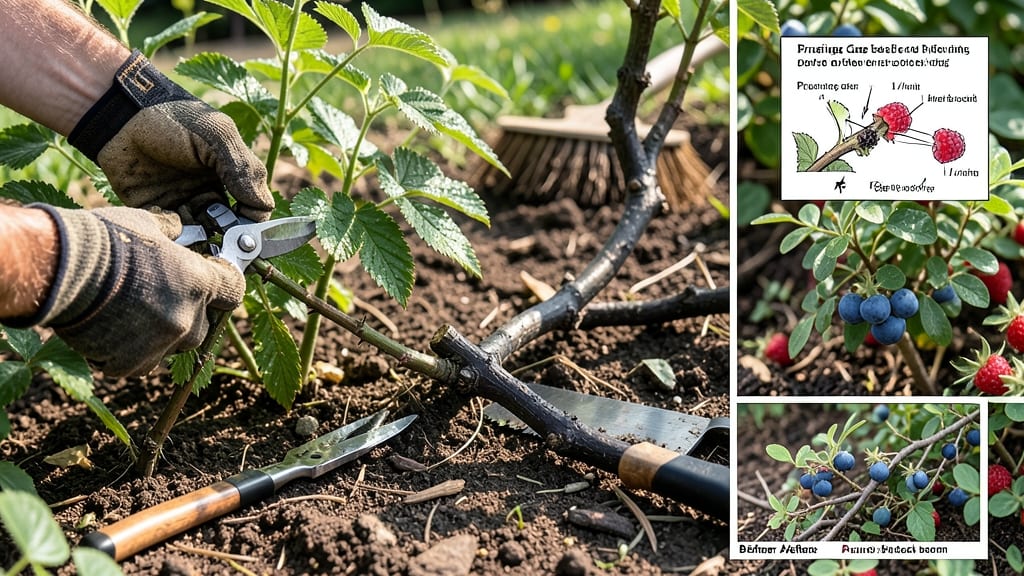
Your berry bushes are whispering for help right now—late winter is the perfect time to prune them for a bountiful summer harvest. 🌿 I’ve pruned raspberries, blackberries, and blueberries for years, and the difference between a thriving patch and a struggling one comes down to just a few strategic cuts.
The key? Knowing when to prune (dormant season, not summer) and how to shape the canes so light and nutrients reach every fruit. Most gardeners overlook one critical step: sanitizing your tools before you start. A quick wipe with rubbing alcohol prevents spreading disease from old cuts to fresh ones.
You’ll also need sharp pruners, gloves, and a clear vision—berry bushes reward precision, not brute force. Think of it like giving your plants a haircut: too much, and you stunt growth; too little, and they get tangled and overcrowded.
By the time summer rolls around, you’ll be picking juicy, plump berries instead of fighting tangled canes. The secret is thinning out old wood (for raspberries and blackberries) and opening up the center for airflow—this keeps fruit size up and diseases down.
Blueberries, on the other hand, need a gentler touch: just remove dead branches and shape lightly to encourage new growth. This method works for both floricane (like raspberries) and primocane (like some blackberry varieties) berries.
Stick with me, and you’ll turn a messy winter chore into a summer fruit bonanza—no guesswork, just results.
📚 In This Guide
- What you need
- Instructions
- Tips and common mistakes
- Wrapping up and next steps
What you need
- ● Pruning shears: Bypass pruners (for clean cuts on small branches, 5–7 inches long). Avoid anvil shears—they can crush stems.
- ● Loppers: Bypass loppers (for thicker branches, 8–12 inches long, with a 6–8 foot reach). Look for ergonomic handles for comfort.
- ● Hand saw: Pruning saw (for stubborn, thick wood—choose a curved blade for precision).
- ● Gloves: Heavy-duty gardening gloves (cut-resistant, like those with Kevlar or leather palms).
- ● Disinfectant: Rubbing alcohol (70%+) or bleach solution (1 part bleach to 9 parts water) to sterilize tools between cuts and prevent disease spread.
- ● Rake or broom: For clearing debris after pruning.
- ● Pruning sealant: (e.g., tree wound paint) to coat large cuts (controversial—only use if your bush is disease-prone).
- ● Notebook & pen: To sketch a quick map of your bush’s structure before pruning.
- ● Safety glasses: If working with thick branches that might snap back.
- ● Know your bush: Identify the type (e.g., raspberry, blackberry, blueberry, currant) and its growth habit. Each has unique pruning needs!
- ● Timing: Prune in late winter or early spring (before buds swell) for best results. Avoid pruning in fall.
- ● Weather: Choose a dry, calm day to prevent tools from slipping and to avoid spreading disease with wet conditions.
Step-by-step instructions for pruning berry bushes
Late winter is the perfect time to refresh your berry bushes—here’s how to do it right for bigger harvests.
✂️ Step 1: Identify and Remove Dead or Diseased Wood
Start by examining each branch carefully. Dead wood looks dry, brittle, and often grayish-brown—it snaps easily when bent. Diseased wood may have black spots, mold, or oozing sap. Use sharp pruning shears to cut these branches back to healthy green wood or the main stem.
I always work from the inside out, removing the worst culprits first. This keeps the bush open to sunlight and air circulation, which prevents future rot. If a branch is completely dead but still attached, cut it at the base—don’t leave stubs, as they invite pests.
✂️ Step 2: Cut Back Last Year’s Growth to Encourage New Canes
Berry bushes like raspberries and blackberries produce fruit on floricanes (second-year canes) or primocanes (first-year canes), depending on the variety. For summer-bearing types, cut all last year’s canes down to the ground. For fall-bearing types, cut back half of last year’s canes to the ground, leaving the other half to fruit this season.
I like to make clean cuts at a 45-degree angle, about ¼ inch above a bud or lateral branch. This prevents water from pooling on the cut and rotting the stem. If you’re unsure which canes to remove, look for thick, woody stems—they’re usually last year’s growth.
✂️ Step 3: Thin Out Crowded or Weak Canes
Healthy berry bushes have 5-7 strong canes per square foot. If your bush is overcrowded, remove the weakest, thinnest canes at the base. These often grow straight up with few side branches and rarely produce fruit. Focus on keeping canes that are at least pencil-thick and growing outward.
This step is where I get the most frustrated—it’s tempting to leave extra canes for more fruit, but crowded bushes lead to smaller berries and more disease. After thinning, step back and imagine sunlight reaching the center. If you can’t see through, you’ve got more work to do.
✂️ Step 4: Shape the Bush for Better Airflow
Use your pruners to open up the center of the bush, creating a vase-like shape. This ensures sunlight and air reach all parts of the plant, reducing humidity and fungal issues. Aim to leave 3-5 main branches as your framework, cutting back any crossing or rubbing branches to the point where they diverge.
I always prune just outside a bud that faces outward—this encourages new growth in the right direction. Avoid leaving stubs or leaving too much of a branch; clean cuts heal faster and look better. If your bush is still leggy after pruning, it might need more sunlight or fertilizer.
🌱 Step 5: Clean Up and Apply Mulch
Rake up all pruned branches and dispose of them in the trash or burn pile—never compost diseased wood. This prevents reinfecting your garden next season. Then, spread a 2-3 inch layer of mulch around the base of the bush, keeping it 6 inches away from the stem to prevent rot.
I use wood chips or straw because they break down slowly and retain moisture. Water the base thoroughly after pruning to help the bush recover. Avoid heavy fertilizing right away—let the cuts heal first, then feed in early spring when new growth starts.
Tips & tricks for pruning berry bushes
These simple strategies will help you prune like a pro and set your berry bushes up for a spectacular harvest.
Tool Prep: Always sterilize your pruning shears with rubbing alcohol between cuts, especially when dealing with diseased wood. I keep a small spray bottle of diluted bleach solution (1 part bleach to 9 parts water) handy to wipe down tools between bushes. This prevents spreading pathogens from one plant to another. Sharp tools make clean cuts that heal faster—dull blades crush stems and create jagged edges that invite infection.
Seasonal Timing: Late winter is ideal because the bush is dormant, making it easier to identify dead wood. If you missed this window, you can still prune in early spring, but avoid pruning in late summer or fall—this can stimulate new growth that won't harden off before winter, leaving your bush vulnerable to frost damage. For fall-bearing varieties, hold off on pruning until after harvest to preserve next year's fruit.
Visual Cues for Healthy Growth: When cutting back last year's growth, look for the transition point where the cane changes from woody to green—this is where new growth will emerge. For summer-bearing types, you're essentially creating a "clean slate" by removing all last year's canes. For fall-bearing varieties, the half-you-keep should have visible buds along the stem, indicating where next year's fruit will develop. I always make a mental note of which canes I'm keeping so I don't accidentally remove them later.
Mulch Application: After pruning, spread your 2-3 inch layer of mulch in a donut shape around the base, keeping it 6 inches away from the stem. This creates a moisture barrier that prevents soil-borne diseases from splashing onto fresh cuts. I like to use wood chips because they break down slowly and improve soil health over time. For extra protection, top with a thin layer of straw—it helps retain moisture while allowing air circulation around the base.
Pro Tips for Prune Berry Bushes
- These simple strategies will help you prune like a pro and set your berry bushes up for a spectacular harvest.
- Tool Prep: Always sterilize your pruning shears with rubbing alcohol between cuts, especially when dealing with diseased wood.
- Seasonal Timing: Late winter is ideal because the bush is dormant, making it easier to identify dead wood.
Frequently asked questions
Got questions about pruning berry bushes? You’re not alone! Here are answers to the most common queries to help you prune like a pro and enjoy a fruitful harvest.
When is the absolute best time to prune berry bushes?
The ideal window is late winter or early spring, before buds break. For deciduous berries like raspberries and blackberries, prune in late winter (just after the worst cold snaps). Evergreen types (e.g., blueberries) can wait until spring. Avoid pruning in fall—it invites disease and pests.
Do I need to sterilize my pruning tools before and after?
Yes!
Sterilizing tools with rubbing alcohol or a 10% bleach solution prevents spreading fungal diseases (like cane blight) or bacterial infections. Clean tools before pruning a new bush and after finishing. A quick wipe with a disinfectant cloth works too.
What if I accidentally prune too much? Can I fix it?
Don’t panic! If you over-prune, your bush may struggle that season, but it’ll recover. Focus on healthy canes next year—cut back only dead, diseased, or weak growth. For raspberries, leave at least 6–8 strong canes to ensure fruit production. Patience is key!
Can I prune berry bushes in containers or small spaces?
Container-grown berries (like dwarf blueberries or patio-friendly raspberries) need the same pruning rules but on a smaller scale. Use sharp shears to trim canes to 12–18 inches tall, removing only dead wood. Just ensure your container has drainage—root-bound bushes stress easily.
What should I do if my berry bush isn’t fruiting after pruning?
Check these first:
- Age: Young bushes (1–2 years old) focus on growth, not fruit.
- Variety: Some berries (like boysenberries) need two plants for pollination.
- Sunlight: Shady spots reduce fruit production.
- Soil: Test pH—blueberries need acidic soil (4.5–5.5).
Wrapping up and next steps
Pruning your berry bushes in late winter isn’t just about tidying up—it’s your secret weapon for a thriving harvest!
By removing dead wood, shaping for airflow, and encouraging new growth, you’re setting the stage for juicier berries and healthier plants. Don’t let overwhelm hold you back—start small, trust the process, and soon you’ll be the envy of the neighborhood with your lush, fruitful bushes!
Ready to take the next step? Mark your calendar for late winter (just before buds swell) and grab those pruners—your berry bushes are waiting for their revival! 🌱✂️