
How To
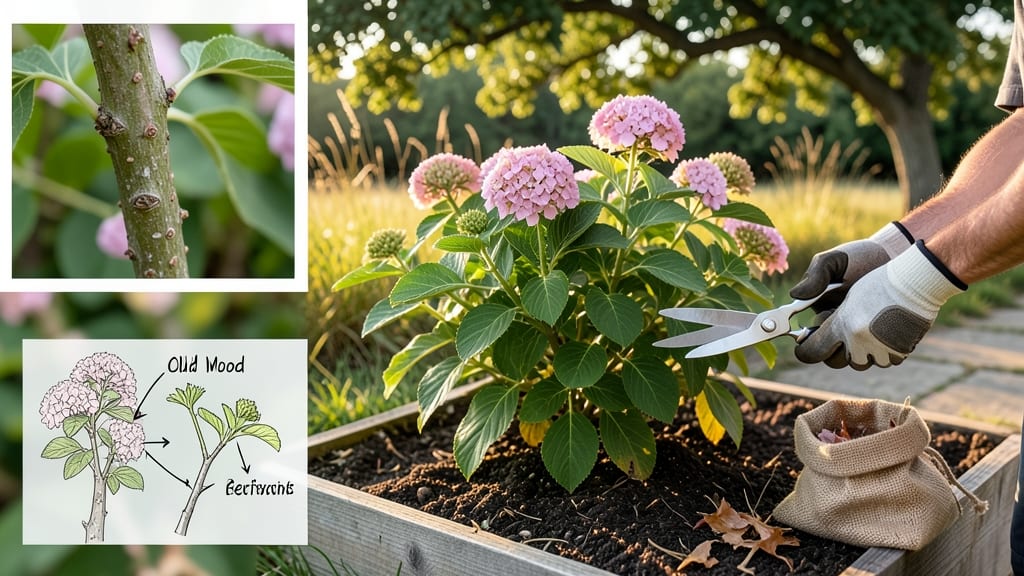
Pruning big leaf hydrangeas in late winter isn’t just about shaping—it’s about unlocking next season’s densest blooms you’ve ever seen. 🌸 I’ve pruned these plants for years, and the difference between a bushy, vibrant hydrangea and a sparse one comes down to timing, technique, and a few key cuts.
Most people wait until summer or fall, but that’s when you risk cutting off next year’s flowers entirely.
The secret is simple: prune when the plant is dormant but before new growth starts—usually between February and early March in most climates. You’ll remove up to ⅓ of the plant, targeting dead wood first, then shaping to open the center for airflow.
Avoid cutting back to bare stems, and never prune in summer unless you’re dealing with spent blooms—those cuts won’t produce flowers the following year.
📚 In This Guide
- What you need
- Instructions
- Tips and common mistakes
- Wrapping up and next steps
What you need
- ● Bypass pruners – Sharp, clean, and disinfected (70% isopropyl alcohol or bleach solution). Choose a pair with a 4- to 6-inch blade for precision cuts.
- ● Loppers – For thicker stems (½ inch or larger). Opt for bypass-style loppers with a 6- to 8-inch cutting capacity.
- ○ Hand pruners (optional) – For fine-tuning smaller branches or deadheading spent blooms.
- ● Garden gloves – Heavy-duty, cut-resistant (e.g., nitrile-coated) to protect against thorns and sap.
- ● Disinfectant solution – 1 part bleach to 9 parts water (or 70% isopropyl alcohol) to sterilize tools between cuts and prevent disease.
- ● Rubbing alcohol or hand sanitizer – For cleaning cuts (if your hydrangea has any minor wounds).
- ○ Pruning sealant (optional) – Tree wound pruning paste (e.g., Tanglefoot) to seal large cuts if needed.
- ● Bucket or trash bag – For collecting pruned branches and debris.
- ● Safety glasses – Recommended if working with thick branches or in windy conditions.
- ● Choose the right time – Prune in late winter (Feb–March), before new growth begins.
- ● Check the weather – Wait for a dry, calm day (no rain forecast for 24 hours).
- ● Identify your hydrangea type – Confirm it’s a big leaf hydrangea (not oakleaf or panicle types, which prune differently!).
Step-by-Step instructions for pruning big leaf hydrangeas
Here's how I reset my big leaf hydrangeas every late winter for fuller blooms and healthier growth.
✂️ Step 1: Identify and Remove Dead or Weak Wood
Start by examining the plant for any branches that are completely brown, brittle, or show no signs of life. These are your first targets—cut them back to the base with clean, sharp pruners. I like to angle my cuts slightly outward to encourage water runoff and prevent disease. If a branch is only partially dead, trim it back to the last healthy bud or growth point.
Look for branches that cross or rub against each other—they'll create wounds where pests and diseases can enter. Remove these as well, even if they're still green. You'll know you're on the right track when the plant starts looking more open and airy. This step is all about cleaning up, not shaping yet.
✂️ Step 2: Understand the Bloom Cycle and Find Last Year's Blooms
Big leaf hydrangeas bloom on old wood, meaning the flowers develop on stems that grew last year. Look for clusters of dried flower heads from last season's blooms—these are your guide. Each cluster represents a stem that produced flowers, and these stems need to be preserved for this year's blooms.
Find the first set of leaves below each dried flower cluster. These leaves mark where this year's new growth will emerge. Cut just above these leaves, but never above the flower head itself. This ensures you're keeping the stems that will produce blooms. If you accidentally cut too high, don't worry—just make a note and adjust next time.
✂️ Step 3: Thin Out Overcrowded Branches for Airflow
Now focus on the plant's overall shape. Remove any branches that grow inward or crowd the center of the plant. These branches block airflow and sunlight, leading to weaker growth and fewer blooms. Aim to create an open, vase-like shape that allows light to reach all parts of the plant. You should be able to see light filtering through to the center.
If you have more than 5-7 main stems, thin out the weakest or most crowded ones. This might seem harsh, but fewer, stronger stems produce more abundant blooms. Cut back to the base if needed, and don't worry about losing a few branches—your hydrangea will reward you with bigger, fuller flowers.
✂️ Step 4: Lightly Shape the Outer Growth
For the remaining branches, do a light shaping pass. Trim back the tips of the longest branches by about 1/3 to encourage bushier growth. This is where you can get creative with the plant's overall form—whether you prefer a rounded shape or a more natural look. Just remember, big leaf hydrangeas respond well to pruning, so don't be afraid to make cuts.
Step back often to check your progress. The goal is to maintain the plant's natural shape while opening it up for better airflow and sunlight. Avoid heavy pruning—you want to preserve as many flower buds as possible. Once you're happy with the shape, give the plant a final inspection to ensure all cuts are clean and no branches are left sticking out awkwardly.
💧 Step 5: Clean Up and Prepare for New Growth
After pruning, remove all plant debris from the area and sterilize your pruners with rubbing alcohol or a bleach solution. This prevents the spread of disease. Water the plant deeply to help it recover from the pruning shock. You'll see new growth emerging from the buds you preserved within 3-4 weeks, signaling that your pruning was successful.
Apply a balanced, slow-release fertilizer around the base of the plant to support new growth. Mulch lightly with 2-3 inches of organic mulch to retain moisture and regulate soil temperature. Keep an eye on the plant as it grows—you'll notice new leaves and stems filling in the spaces you opened up during pruning.
Tips & tricks for pruning big leaf hydrangeas
These simple strategies will help you prune your big leaf hydrangeas like a pro and set them up for a spectacular blooming season.
Tool Prep: Sterilize your pruners with rubbing alcohol or a bleach solution before you start—this prevents spreading disease from one cut to another. I also like to sharpen my pruners first so they make clean cuts that heal faster. A dull blade can crush stems, making them more susceptible to infection.
Visual Cues for Step 2: When you're looking for last year's blooms in Step 2, focus on the dried flower clusters that resemble little paper lanterns. The first healthy leaves below these clusters are your target—cut just above them to preserve next year's blooms. If you're unsure, snap a photo of your plant before pruning as a reference.
Thinning Strategy: In Step 3, aim to reduce your main stems to about 5-7 strong, healthy branches. This might mean removing some perfectly good-looking stems, but trust me—your hydrangea will reward you with bigger, more abundant blooms. The key is airflow; you want sunlight to reach all parts of the plant.
Post-Pruning Care: After you've finished pruning, give your hydrangeas a deep watering to help them recover from the shock. I like to add a handful of compost to the soil around the base as well—it provides nutrients without overwhelming the plant. The 3-4 week window for new growth is your chance to watch your hard work pay off!
Pro Tips for Prune Big Leaf Hydrangeas
- These simple strategies will help you prune your big leaf hydrangeas like a pro and set them up for a spectacular blooming season.
- Tool Prep: Sterilize your pruners with rubbing alcohol or a bleach solution before you start—this prevents spreading disease from one cut to another.
- Visual Cues for Step 2: When you're looking for last year's blooms in Step 2, focus on the dried flower clusters that resemble little paper lanterns.
Frequently asked questions
Got questions about pruning big leaf hydrangeas? You’re not alone! Here are answers to the most common concerns—so you can confidently tackle your pruning like a pro.
When is the best time to prune big leaf hydrangeas?
The ideal window is late winter (just before new growth starts) or early spring. Avoid pruning in fall or winter—this can stimulate tender growth that won’t survive frost. Pro tip: If you miss late winter, wait until after blooms fade in summer (but you’ll sacrifice that year’s flowers).
Do I cut back big leaf hydrangeas hard or just trim lightly?
Big leaf hydrangeas thrive with moderate pruning—cut back one-third of the plant’s oldest stems to the first set of strong buds (usually 5–7 inches from the ground). Avoid drastic cuts, which can stress the plant. Think of it as a shape reset, not a haircut!
What if I prune at the wrong time and my hydrangeas don’t bloom?
If you prune in late summer or fall, you’ll likely see fewer blooms the next year because big leaf hydrangeas set buds on old wood. To fix it: Prune correctly next late winter and fertilize lightly in spring to encourage new growth. Patience is key—healthy plants bounce back!
Can I prune big leaf hydrangeas the same way as other types (like panicle or oak leaf)?
Nope! Big leaf hydrangeas (Hydrangea macrophylla) bloom on old wood, while panicle or oak leaf hydrangeas bloom on new wood. Pruning big leaf hydrangeas too aggressively in late winter can reduce blooms. Always prune after flowers fade if you miss the late-winter window.
What if my hydrangeas are leggy or overgrown—should I panic?
Not at all! Leggy stems are a sign your hydrangea needs a rejuvenation prune. Cut back all stems to 6–12 inches from the ground in late winter. It’ll look drastic at first, but your plant will reward you with denser, bushier growth and bigger blooms next season. Think of it as a fresh start!
Do I need special tools for pruning big leaf hydrangeas?
Basic tools work great: bypass pruners for small stems and loppers for thicker branches. Sterilize tools with rubbing alcohol to prevent disease. Avoid hedge trimmers—they can tear stems and leave jagged cuts. Sharp, clean tools = happier hydrangeas!
Wrapping up and next steps
Pruning your big leaf hydrangeas in late winter isn’t just about tidying up—it’s your secret weapon for bigger, fuller blooms all season! 🌸 By following the right timing, techniques, and tools, you’ll encourage vibrant growth and a stunning display.
Now that you’re armed with the know-how, grab those shears and get pruning—your hydrangeas will thank you with a showstopping summer spectacle.
Ready for more? Next up: Learn how to fertilize and mulch for even healthier plants—or dive into troubleshooting common hydrangea issues to keep your garden thriving year-round!