
How To
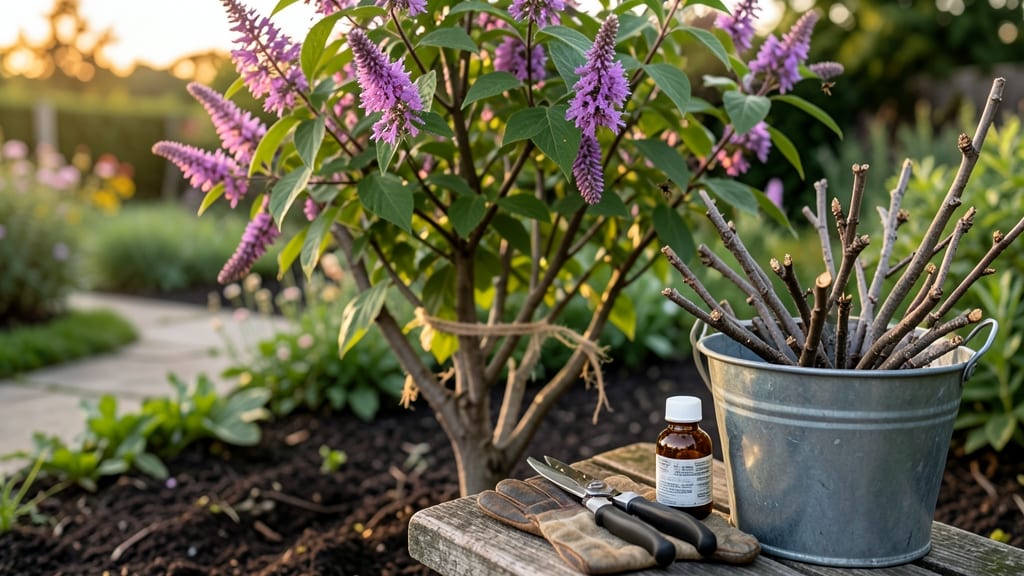
Late-winter pruning transforms your butterfly bush into a nonstop summer blooming machine. ✂️ I’ve pruned these tough shrubs for years, and the difference between a ragged, overgrown mess and a lush, vibrant plant comes down to three simple cuts—done at the right time.
The secret isn’t just chopping branches: it’s cutting back one-third of the oldest stems to the ground while leaving the younger ones intact. This forces fresh growth from the base, which means more flowers and fewer bare spots.
Most people wait too late—after buds form—or prune too lightly, leaving the bush leggy and sparse. By mid-summer, you’ll have dense clusters of fragrant blooms that attract butterflies like magnets.
The key is timing: prune just as new growth begins in late winter (before buds swell), and you’ll avoid stressing the plant. Grab your shears and let’s get started!
📚 In This Guide
- What you need
- Instructions
- Tips and common mistakes
- Wrapping up and next steps
What you need
- ● Pruning shears or loppers: Sharp, bypass-style pruners (for clean cuts) or loppers (for thicker stems). Size: 6–8" blades for shears, 8–10" for loppers. Quantity: 1–2 (one for cutting, one as backup).
- ● Hand pruners: For smaller branches (Quantity: 1 pair.
- ● Gloves: Heavy-duty, gardening gloves (to protect from thorns and sap). Tip: Choose nitrile-coated for grip and durability.
- ○ Disinfectant (optional but recommended): 70% rubbing alcohol or bleach solution (1 part bleach to 9 parts water) to sterilize tools between cuts.
- ○ Pruning saw (optional): For thick, woody stems (>1" diameter). Type: Curved or folding saw.
- ○ Marking tape or spray paint (optional): To tag branches for removal if pruning in stages.
- ● Timing: Prune in late winter or early spring (before new growth starts). Avoid pruning in fall—it encourages tender growth that won’t survive frost.
- ● Weather: Choose a dry, calm day (no rain forecast for 24 hours). Wet conditions can spread disease.
- ○ Safety gear (optional but wise): Long sleeves/pants (to avoid scratches from thorns).
- ● Safety glasses (if working near your face).
- ● Cleanup supplies: Heavy-duty trash bags (for pruned branches).
- ● Rake or broom (to clear debris from the base).
Step-by-Step guide to pruning butterfly bush for vibrant blooms
Here's the exact method I use every year to keep my butterfly bushes flowering like crazy.
✂️ Step 1: Time Your Pruning for Maximum Impact
Prune in late winter, just as new growth begins but before buds swell. This timing ensures you remove last year's dead wood while stimulating fresh, vigorous growth. I always prune my bushes in February or early March in my zone 6 climate—adjust for your region by waiting until after the last hard frost.
Look for dormant canes with no signs of life and green buds signaling new growth. Cutting too early risks damaging tender new shoots, while waiting too long removes potential blooms. This is the moment that matters: prune when you see 10-15% of buds breaking dormancy.
✂️ Step 2: Remove Dead, Diseased, or Weak Wood
Start by cutting out any dead, broken, or diseased canes at the base. These are easy to spot—they're brown, brittle, or hollow inside. I also remove any canes that grew smaller than a pencil last year, as they won't produce strong blooms. Use clean, sharp pruners to make 45-degree cuts about ¼ inch above a bud or lateral branch.
Don't skip this step—dead wood attracts pests and diseases that can spread to healthy growth. If you see blackened spots or powdery mildew on any stems, cut those canes out immediately and dispose of them in the trash, not your compost bin.
✂️ Step 3: Thin the Center for Better Airflow
Butterfly bushes grow in a rounded shape, but their centers often get crowded and shaded. Reach into the middle and cut back 25-30% of the oldest canes to the ground. This opens up the plant so light and air reach all parts, which prevents fungal diseases and encourages more blooms. I like to leave 3-5 of the strongest, most outward-facing canes in the center.
Watch for crossing branches that rub against each other. These create wounds where diseases can enter, so prune one of the crossing stems completely. You'll see a noticeable difference in the plant's shape after just one season of proper thinning.
✂️ Step 4: Shape the Bush for Full, Balanced Growth
Now it's time to shape the plant. Step back and visualize an open, rounded shape with room for air to circulate. Cut back 1/3 of the oldest canes to 6-12 inches above the ground, leaving 2-3 buds on each remaining stem. For younger canes, trim just above a healthy bud to encourage branching.
Here's the thing—don't be afraid to make bold cuts. Butterfly bushes are fast-growing shrubs that bounce back quickly. After pruning, the plant will focus its energy on producing new, strong growth instead of maintaining old, weak stems. You'll see fresh green shoots emerging within 2-3 weeks.
🌿 Step 5: Clean Up and Fertilize for Spring Growth
After pruning, rake up and dispose of all clippings to reduce disease risk. I like to add a 2-inch layer of mulch around the base of the plant to retain moisture and suppress weeds. Then, apply a balanced, slow-release fertilizer (like 10-10-10) to give the plant a nutrient boost for the growing season.
Water deeply right after pruning to help the plant recover. You'll know you've done it right when you see new leaves unfurling within 3-4 weeks. Avoid heavy pruning in late summer or fall—this encourages tender growth that won't survive winter.
Tips & tricks for pruning butterfly bush like a pro
These game-changing tips will help you transform your butterfly bush into a blooming powerhouse year after year.
Timing is Everything: The late winter window is critical—aim for when you see 10-15% of buds breaking dormancy in Step 1. This is your golden moment before buds swell. In my zone 6 garden, I schedule pruning for February or early March, but adjust based on your last frost date. If you miss this window, you risk removing potential blooms or damaging tender new growth. Pro tip: Mark your calendar now so you don't forget!
Tool Prep Prevents Problems: Before you start, sharpen your pruners and disinfect them with rubbing alcohol. Dull blades tear stems instead of making clean cuts, which stresses the plant. In Step 2, when removing dead wood, use 45-degree cuts about ¼ inch above a bud—this encourages new growth from the right spot. I also recommend wearing gloves to avoid thorn pricks and carrying a small bucket to collect clippings for disposal.
Visualize Your Ideal Shape: Step back and imagine your butterfly bush as an open, rounded dome. In Step 4, when shaping, focus on creating this form by cutting back 1/3 of the oldest canes to 6-12 inches above ground. Leave 2-3 buds on each remaining stem to encourage branching. This open structure isn't just pretty—it improves airflow, which prevents fungal diseases and maximizes bloom production. Think of it like giving your plant a spa day!
Post-Pruning Care Creates Results: After finishing Step 5, don't just walk away! Water deeply right after pruning to help the plant recover. Then, add that 2-inch layer of mulchbalanced, slow-release fertilizer (like 10-10-10) at this stage gives my bushes the nutrient boost they need for explosive spring growth. Within 3-4 weeks, you'll see those new leaves unfurling—proof you've done it right!
Pro Tips for Prune Butterfly Bush
- These game-changing tips will help you transform your butterfly bush into a blooming powerhouse year after year.
- Timing is Everything: The late winter window is critical—aim for when you see 10-15% of buds breaking dormancy in Step 1.
- Tool Prep Prevents Problems: Before you start, sharpen your pruners and disinfect them with rubbing alcohol.
Frequently asked questions
Got questions about pruning your butterfly bush? You’re not alone! Here are answers to the most common concerns—so you can keep your plant thriving and blooming like a pro.
When is the absolute best time to prune butterfly bush?
The ideal window is late winter or early spring (before new growth starts), but you can also trim lightly after blooming to encourage more flowers. Avoid pruning in fall—it can stimulate tender new growth that won’t survive winter. Pro tip: If you missed late winter, wait until right after flowering (late summer) for a second prune.
Do I need to prune butterfly bush every year?
Yes! Regular pruning keeps your bush compact, healthy, and blooming abundantly. Aim to prune once a year in late winter for shape and structure, and lightly after flowering to remove spent blooms. Over time, this prevents legginess and woody stems. Think of it like a haircut—your bush will thank you!
What if I prune at the wrong time? Will my bush die?
Not necessarily! Butterfly bushes are hardy, but pruning at the wrong time (like mid-winter or fall) can stress the plant or reduce next year’s blooms. If you’ve already pruned too late, don’t panic—just avoid heavy cuts and focus on removing dead or diseased wood. Your bush will bounce back, but timing matters for peak performance.
Can I prune butterfly bush too much? What are the signs?
Over-pruning (cutting back more than 1/3 of the plant at once) can weaken growth or reduce flowering. Signs you’ve gone too far include bare stems, sparse foliage, or no blooms. If this happens, skip pruning for a year and focus on fertilizing and watering. Butterfly bushes are resilient, but balance is key!
What if my butterfly bush isn’t blooming after pruning?
Several factors could be at play: old wood (blooms on last year’s growth), lack of sunlight, or poor soil. Try these fixes:
If it’s still struggling, it might be time to renew the plant by cutting it back hard (but only in late winter!).
Wrapping up and next steps
Pruning your butterfly bush in late winter isn’t just about keeping it tidy—it’s the secret to vibrant blooms and lush growth all summer long! 🌸 With the right tools, timing, and technique, you’ll transform your shrub into a pollinator magnet.
Remember: cut back boldly, but don’t overdo it, and always prioritize safety with sharp tools and protective gear.
Now that you’re armed with knowledge, grab those shears and get pruning! 🌿 After the job’s done, celebrate your green thumbs by sharing your progress—or planning your next gardening project. Ready to dive deeper? Explore our guide on fertilizing butterfly bushes for even more stunning results!