
Pruning
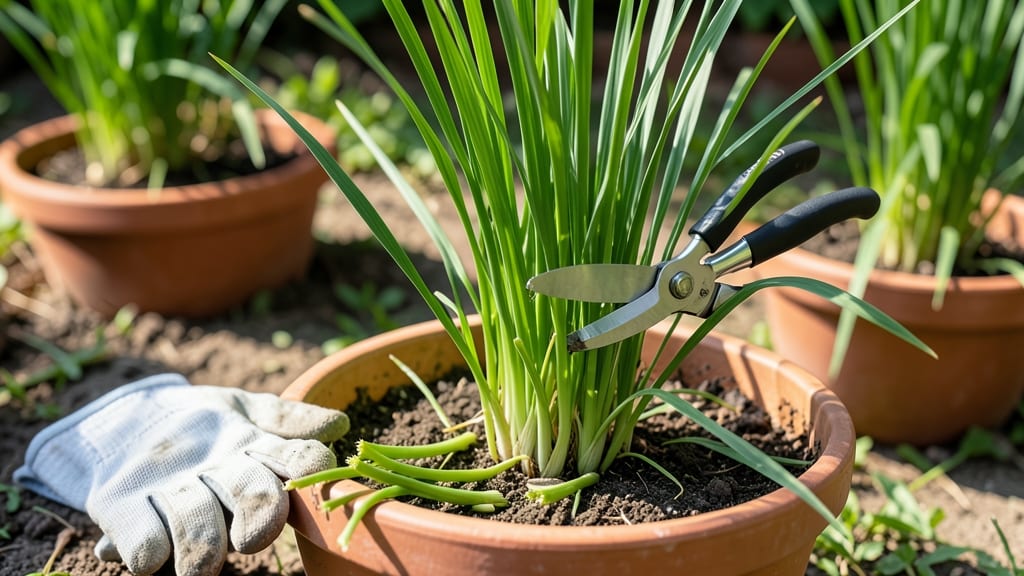
Pruning citronella plants in early spring gives you thicker, bushier growth—and that signature mosquito-repelling fragrance gets stronger too. 🌿 I learned this the hard way after letting my first plant grow wild, only to realize it was half dead wood and sparse leaves.
The key is timing, sharp cuts, and knowing where to trim for maximum impact.
You’ll need clean pruners, a small bucket for clippings, and about 20 minutes for a medium-sized plant. Start by removing any dead or yellowing stems at the base—these are energy vampires for your plant.
Then cut back last year’s growth by about one-third, focusing on the outer stems to encourage new, bushy growth from the center.
After pruning, your citronella will reward you with new shoots within 2-3 weeks and a fuller shape by summer. The fragrance intensifies because the plant focuses its energy on fresh, healthy growth. Just avoid heavy pruning in fall—this tropical plant needs to rest before winter.
Common mistakes? Pruning too late in the season or using dull shears that tear stems. Stick to the one-third rule and always cut just above a leaf node. With this method, your citronella will thrive for years, keeping your patio pest-free and looking lush.
📚 In This Guide
- What you need
- Instructions
- Tips and common mistakes
- Wrapping up and next steps
What you need
- ● Pruning shears or secateurs – Choose bypass pruners (sharp, clean blades) for precise cuts. Size: 5-7 inches, with ergonomic grips for comfort.
- ● Garden gloves – Opt for nitrile-coated or leather gloves (size M/L) to protect against thorns and sap irritation.
- ● Disinfectant (rubbing alcohol or 10% bleach solution) – 1 part bleach to 9 parts water to sterilize tools between cuts and prevent disease.
- ○ Sharpie or permanent marker – For marking cuts (optional but helpful for tracking growth).
- ● Trash bag or bucket – To collect pruned branches (avoid composting diseased wood).
- ● Hose or watering can – For rinsing tools and refreshing the plant post-pruning.
- ● Hand pruners (for smaller branches) – 4-6 inch models for tight spaces.
- ● Loppers (for thicker stems) – 18-24 inch with bypass blades for branches ½ inch or thicker.
- ● Rooting hormone (powder or gel) – If propagating from cuttings, use a 1% IBA concentration.
- ● Plant food (balanced 10-10-10 or citrus-specific fertilizer) – To boost recovery after pruning.
- ● Mulch (pine bark or compost) – To retain moisture and protect roots post-pruning.
Step-by-Step instructions for pruning citronella
Transform your fragrant citronella into a lush, mosquito-repelling powerhouse with these targeted pruning techniques.
✂️ Step 1: Prune for Shape and Airflow in Early Spring
Start your pruning 2-3 weeks after your last frost date, when new growth begins. Using clean, sharp pruning shears, cut back any dead or damaged branches to the main stem. This isn't just about looks—removing dead wood prevents disease and lets your plant focus energy on fresh growth.
Next, shape your citronella by trimming back any branches that are growing too close together. Aim for an open, rounded form that allows sunlight and air to circulate freely. You'll see new shoots emerging within 2-3 weeks—this is your reward for clearing out the old growth. Real talk: If you skip this step, your plant will grow leggy and sparse, with fewer fragrant leaves.
🌿 Step 2: Encourage Bushiness Through Mid-Season Pinching
About 6-8 weeks after spring pruning, when your citronella reaches about 6-8 inches tall, it's time to pinch. Using your fingers (no shears needed), gently remove the top set of leaves from the main stems. This might seem counterintuitive, but pinching stimulates lateral branching, giving you that full, bushy look.
Focus on the top third of the plant and any stems that are growing too vertically. You'll notice new side shoots forming within 10-14 days. This is when your citronella starts to fill out. Pro tip: If you're growing multiple plants, rotate their positions every few weeks to ensure even growth on all sides—uneven light exposure leads to lopsided plants.
☀️ Step 3: Lighten Up for Late Summer Growth
By late summer, your citronella will need another round of pruning to maintain its shape and encourage one final flush of growth before winter. Cut back any overly long branches by about one-third, focusing on the outermost growth. This keeps the plant compact and prevents it from becoming top-heavy, which can lead to flopping in windy conditions.
Remove any flowers or seed heads that appear—citronella puts all its energy into producing fragrant leaves, not flowers. You'll see fresh, vibrant growth emerging from the cut stems within 2-3 weeks. This late-season pruning ensures your plant stays lush and fragrant well into fall. I know it seems like you're cutting back just as things are looking good, but trust me—this is how you keep your citronella thriving year after year.
⏰ Step 4: Prepare for Winter with Minimal Pruning
As temperatures drop below 50°F and growth slows, shift to a lighter pruning approach. Remove only the dead or diseased branches, and avoid heavy cuts that could stress the plant. The goal now is to protect what you've built, not to stimulate new growth. This is also the time to tidy up any overcrowded areas.
If you're growing citronella in a container, consider moving it to a sheltered spot or bringing it indoors if you live in a cold climate. Even a light frost can damage the leaves, but the plant itself is surprisingly hardy. You'll know you've done it right when your citronella emerges in spring with a strong, healthy framework ready for another growing season.
Tips & tricks for perfect citronella pruning
Common pruning mistakes can turn your fragrant citronella into a leggy, disease-prone mess—here's how to avoid them.
Timing Secret: The 2-3 weeks after your last frost date is your golden window for Step 1 pruning, but don't wait until you see new growth—act as soon as temperatures stabilize above freezing. I've seen gardeners miss this window entirely because they waited for "perfect" weather, only to have their plants grow unchecked and weak. Cold snaps can still occur, so always check your local frost dates and mark your calendar.
Tool Technique: Your pruning shears need to be sharper than a chef's knife—dull blades crush stems instead of making clean cuts, which invites disease. I keep a dedicated pair of pruners just for citronella and sharpen them every spring before pruning season. For mid-season pinching in Step 2, your fingers work perfectly, but make sure your nails are trimmed to avoid tearing tender new growth.
Seasonal Strategy: During late summer's Step 3 pruning, focus on removing only the outermost third of growth—this might seem counterintuitive when your plant looks full, but it's how you prevent that "top-heavy" flopping. I've had citronella plants nearly double in size after this step, but only because I resisted the urge to "clean up" everything at once. Think of it as giving your plant a strategic haircut rather than a buzz cut.
Winter Wisdom: That 50°F threshold in Step 4 is your cue to switch to minimal pruning, but don't stop completely—even in winter, dead branches can harbor pests. I've seen gardeners completely neglect winter pruning only to find their citronella infested with scale insects by spring. Just remove the obvious dead wood and any branches touching the ground, which can rot and spread disease.
Pro Tips for Prune Citronella
- Common pruning mistakes can turn your fragrant citronella into a leggy, disease-prone mess—here's how to avoid them.
- Timing Secret: The 2-3 weeks after your last frost date is your golden window for Step 1 pruning, but don't wait until you see new growth—act as soon as temperatures stabilize above freezing.
- Tool Technique: Your pruning shears need to be sharper than a chef's knife—dull blades crush stems instead of making clean cuts, which invites disease.
Frequently asked questions
Frequently Asked Questions
Got questions about pruning your citronella? Here are some common ones—and their answers—to help you keep your plant thriving!
When is the best time to prune citronella?
Prune your citronella plant in early spring (just before new growth starts) or after flowering in late summer. Avoid heavy pruning in winter—citronella is semi-dormant and needs time to recover. Light trims to shape can happen year-round!
Can I prune citronella too much?
Yes! Over-pruning can stress the plant, leading to fewer flowers or even stunted growth. Stick to removing no more than 1/3 of the plant’s foliage at a time. If you accidentally go over, don’t panic—just give it time and water it well to recover.
What should I do if my citronella looks leggy after pruning?
Leggy growth happens when the plant stretches for light. To fix it, prune back overgrown stems by 1/3 and place the plant in bright, indirect sunlight. Fertilize lightly with a balanced fertilizer to encourage bushier regrowth. Rotate the pot occasionally for even growth.
Do I need to sterilize my pruning tools for citronella?
Absolutely! Sterilizing tools with rubbing alcohol or a 10% bleach solution prevents disease spread. Citronella is prone to fungal issues like powdery mildew, so clean tools before and after each pruning session. A quick wipe with a disinfectant cloth works too!
Can I propagate citronella from pruned cuttings?
Yes! Pruned cuttings are perfect for propagation. Dip the cut end in rooting hormone (optional but helpful) and place it in water or moist potting mix. Keep it in bright, indirect light and mist occasionally. Roots should form in 4-6 weeks—then you’ve got a new plant!
Still unsure? Drop your citronella pruning questions in the comments—we’re happy to help!
Wrapping up and next steps
You’ve got this! Pruning your citronella plant is all about timing, technique, and a little patience—soon, you’ll be rewarded with lush, fragrant foliage that thrives year-round. Remember: spring and summer are your best friends, and sterilized tools + sharp cuts keep your plant happy and healthy. 🌿✂️
Ready to take your citronella to the next level? Grab those shears and get pruning! For extra care, consider repotting or fertilizing after your trim to give your plant the love it deserves. Happy gardening!