
Pruning
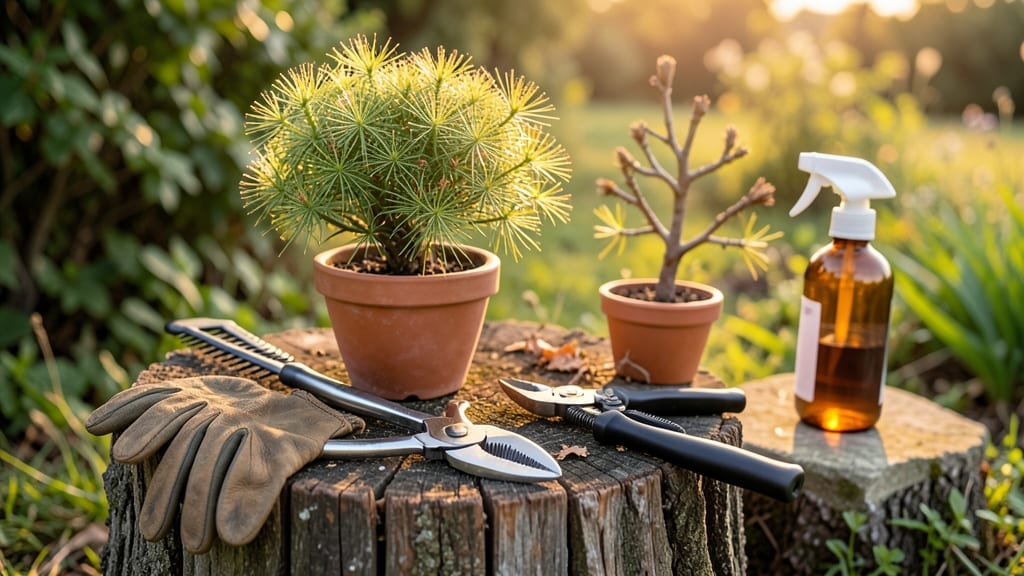
Pruning Cotinus reveals its fiery potential—those smoky plumes of foliage get even more dramatic with the right cuts. ✨ I’ve turned my underwhelming smoke bush into a showstopper by mastering just three key cuts: shaping in late winter, rejuvenating old growth in early spring, and light touch-ups after blooms fade.
The secret? Never prune when it’s stressed or in full leaf. You’ll need sharp bypass pruners, gloves, and a sanitizing spray to prevent disease.
Cut just above outward-facing buds at a 45-degree angle—this encourages bushier growth and keeps those signature panicles (the fluffy, smoke-like flower clusters) looking their best. For overgrown bushes, remove up to one-third of old wood in stages over two years.
After pruning, give your Cotinus a light fertilizer and deep watering to reduce shock. Watch for new shoots emerging within weeks—these will be your bush’s fresh, vibrant growth. The payoff?
A plant that stays compact, blooms heavier, and puts on a year-round foliage show from spring’s pink flush to fall’s fiery hues. This method works for all Cotinus varieties, whether you’ve got the classic Cotinus coggygria or the striking Cotinus ‘Royal Purple’.
The key is patience—skip the heavy-handed cuts, and your smoke bush will reward you with bold, healthy growth for decades.
📚 In This Guide
- What you need
- Instructions
- Tips and common mistakes
- Wrapping up and next steps
What you need
- ○ Pruning shears: Bypass pruners (for clean cuts on small stems, 4–6" blades, sharp & rust-resistant). Optional: Anvil pruners for thicker branches (but risk crushing stems).
- ● Loppers: Bypass loppers (18–24" long, for branches up to 2" thick). Pro tip: Look for ratcheting handles for extra leverage!
- ● Pruning saw: Curved-tooth handsaw (for branches >2" thick; avoid dull blades to prevent tearing).
- ● Gloves: Heavy-duty gardening gloves (cut-resistant, like mechanics’ gloves or nitrile-coated for grip).
- ● Disinfectant: 70% isopropyl alcohol or bleach solution (1 part bleach to 9 parts water) to sterilize tools between cuts and prevent disease.
- ○ Pruning sealant: Optional but helpful for large wounds (>½" diameter); use a tree wound sealant (like Tanglefoot Tree Wound Pruning Seal).
- ● Weather check: Prune on a dry, calm day (avoid wind or rain to prevent spread of disease).
- ● Cleanup supplies: Heavy-duty trash bags (for debris) + sharp stick or rake to gather fallen leaves.
- ● Ladder/scaffolding: Only if needed—ensure it’s stable and rated for your height/weight.
- ● First-aid kit: Bandages + antiseptic wipes (just in case of scrapes from thorns or rough branches).
- ● Mark your cuts: Use twine or flagging tape to outline pruning plans before cutting.
- ● Sharp is key: Test your tools on a pencil—if they crush instead of cut cleanly, sharpen or replace!
- ● Layer up: Wear long sleeves + closed-toe shoes to protect from scratches and UV rays.
Step-by-Step instructions for pruning Cotinus: year-round tricks
Mastering cotinus pruning transforms wild, sprawling growth into a stunning, sculpted focal point.
✂️ Step 1: Prune for Structure in Late Winter or Early Spring
Timing matters most—wait until late winter or early spring when the plant is still dormant but just before new growth begins. This is when cotinus responds best to shaping, as the plant hasn’t yet directed energy into foliage. I like to prune in February or March in most climates, just as the first hints of bud swell appear.
Start by removing any dead, diseased, or crossing branches. Cotinus has a natural tendency to grow in a rounded shape, so I focus on maintaining that silhouette while opening up the center for better air circulation. Use clean, sharp pruners to make cuts just above a bud or lateral branch. This ensures the plant heals cleanly and new growth emerges in the right direction.
Real talk: If you see branches that are rubbing against each other, remove the smaller one immediately. Friction weakens the plant and creates entry points for pests. I also look for branches growing inward—they’ll never get enough light and will just create a thick, dense center that blocks airflow.
🌿 Step 2: Encourage Foliage Color Through Strategic Summer Pruning
Cotinus earns its nickname "smoke bush" from its stunning fall foliage, but the secret to vibrant colors starts in mid-to-late summer. This is when you can lightly prune to encourage new growth that will develop those fiery hues. I never cut more than 20-30% of the plant’s total volume in one session—this keeps the plant healthy while stimulating fresh foliage.
Focus on the outer branches, making cuts just above a set of leaves or a bud. The goal is to remove older growth that’s past its prime while leaving enough structure to support new shoots. You’ll see the plant respond within weeks—new leaves will emerge with richer colors, especially if you’ve been watering consistently during dry spells.
Here’s the thing—if you prune too late in summer, you risk encouraging tender new growth that won’t have time to harden off before winter. Watch for new shoots to appear within 3-4 weeks after pruning. If they’re slow to emerge, your cuts might be too severe or the plant needs more water.
⏰ Step 3: Light Maintenance Pruning in Fall and Winter
Fall is for cleanup, not shaping. After the foliage has faded, I remove any remaining dead or diseased branches. Cotinus is naturally tidy, but I still give it a once-over to ensure no lingering debris that could harbor pests over winter. This is also the time to adjust the plant’s overall shape if it’s grown unevenly during the season.
In winter months, when the plant is fully dormant, I do minimal pruning—just enough to remove any branches that died back due to cold or disease. I avoid heavy cuts now because the plant is conserving energy. If you must prune in winter, do it on a mild day above freezing to prevent shock.
Don’t skip this step: Even if the plant looks fine, winter is the best time to spot hidden issues like cankers or fungal growth. Remove any suspicious branches immediately—cotinus is tough, but it won’t recover from neglected problems. I also use this time to plan my spring pruning strategy, noting which branches need more aggressive shaping.
🌱 Step 4: Rejuvenate Older Plants with Renewal Pruning
If your cotinus has become overgrown or leggy, it’s time for a renewal prune. This is a more dramatic approach, but it works wonders for plants that have lost their shape. I do this in late winter or early spring, cutting back up to ⅓ of the plant’s oldest branches to the ground. This may sound extreme, but cotinus is incredibly resilient and will bounce back with vigorous new growth.
Start with the oldest, thickest branches—they’ve had the longest to grow and are often the most woody. Make your cuts just above a bud or lateral branch to encourage outward growth. You’ll see new shoots emerge from the base within 4-6 weeks, and the plant will gradually fill in with fresh, vibrant foliage.
I know it seems weird to cut back so much, but trust me—this is how you revive a tired cotinus. The key is patience. After a renewal prune, the plant may look bare for a season, but it’s investing all its energy into rebuilding. Water deeply after pruning to help the plant recover, and avoid fertilizing until new growth appears.
Tips & tricks for pruning Cotinus like a pro
Here's what I've learned after years of shaping these stunning shrubs—tricks that make all the difference between a messy hedge and a showstopping focal point.
Timing is Everything: The late winter/early spring window in Step 1 is non-negotiable for structural pruning. If you wait until buds actually swell, you'll be cutting off potential foliage for the season. I've made this mistake—waiting too long means sacrificing that year's growth. Look for those tiny green buds just beginning to form, but don't see any actual swelling yet. This is your sweet spot for shaping without sacrificing foliage.
Precision Cutting Technique: When making cuts in Step 1 or Step 2, always aim for just above a bud or lateral branch. This might seem obvious, but I see people cutting at random points all the time. The angle matters too—cut at a 45-degree angle to prevent water from pooling on the cut. I use a sharp pair of pruners and make a single clean cut rather than sawing back and forth. This reduces stress on the plant and promotes faster healing. For larger branches, I make the cut slightly farther out from the trunk to create a larger wound surface that heals better.
Color-Enhancing Summer Strategy: In Step 2, when you're pruning for vibrant fall foliage, focus on removing only the oldest growth from the outer branches. The plant will respond by producing fresh, colorful new growth from the inner buds. I've found that making these cuts in mid-to-late summer gives the new growth enough time to mature before winter. If you're in a hot climate, you might need to prune slightly earlier to avoid heat stress on the new shoots. Watch for the plant's natural growth patterns—if it's putting out new growth quickly, you can prune a bit later in the season.
Renewal Pruning Recovery: After a renewal prune in Step 4, the plant may look shocking bare, but this is actually a good sign! The key is patience and proper aftercare. I've seen cotinus plants come back from being cut back by ⅓ with proper care. Water deeply immediately after pruning to help the plant recover, and avoid fertilizing until you see new growth emerging. The new shoots will come from the base and lower branches, so don't be tempted to prune these new growths in the first season—they need all their energy to establish strong roots.
Pro Tips for Prune Cotinus
- Here's what I've learned after years of shaping these stunning shrubs—tricks that make all the difference between a messy hedge and a showstopping focal point.
- Timing is Everything: The late winter/early spring window in Step 1 is non-negotiable for structural pruning.
- Precision Cutting Technique: When making cuts in Step 1 or Step 2, always aim for just above a bud or lateral branch.
Frequently asked questions
Got questions about pruning your Cotinus (smoke bush)? You’re not alone! Here are some of the most common concerns—and their answers—to keep your plant thriving with minimal stress.
When is the best time to prune Cotinus?
The ideal window is late winter or early spring (just before new growth starts). This lets you shape the plant while avoiding late-season cuts that could stimulate tender growth before frost. For light shaping, fall works too—but avoid heavy pruning then, as it may stress the plant before winter.
Can I prune Cotinus in summer?
Yes, but go easy! Summer pruning is best for light maintenance (removing dead or overgrown branches) or to encourage bushier growth. Avoid heavy cuts—it can shock the plant and reduce the vibrant foliage it’s known for. If you must prune, do it early morning or late evening to minimize stress.
How do I encourage more of that smoky foliage?
The "smoke" effect comes from fine, fuzzy hairs on the stems and leaves. To enhance it, prune selectively—focus on removing old, woody branches (over 3 years old) and thinning out dense growth to improve airflow. Avoid shearing, which can dull the texture. A light annual trim keeps the plant healthy and vibrant!
What if I prune too much? Will my Cotinus die?
While Cotinus is hardy and forgiving, over-pruning (removing more than 1/3 of the foliage at once) can weaken the plant. If you’ve already gone overboard, don’t panic! Focus on removing only dead or damaged branches this year, and resume normal pruning next season. Keep it well-watered and fertilized to help it recover.
Can I propagate Cotinus from pruned cuttings?
Softwood cuttings
(4–6 inches long) taken in late spring or early summer root well. Dip the cut end in rooting hormone, plant in moist potting mix, and keep humid (use a plastic bag or propagator). Roots should form in 4–8 weeks. Just avoid taking cuttings from overly woody branches—they’re harder to root.
Wrapping up and next steps
Pruning your Cotinus (or "Smokebush") is all about unlocking its vibrant potential—whether you’re shaping its dramatic form or encouraging lush, flaming foliage. Remember, timing and technique are key: light trims in late winter and heavier shaping after flowering keep your plant thriving.
With the right tools and patience, you’ll reward yourself with a stunning, low-maintenance centerpiece that steals the show year-round.
Ready to level up your garden game? 🌿 Grab your shears and give your Cotinus the care it deserves—then sit back and enjoy the spectacular results! For extra inspiration, browse seasonal pruning guides or tag us in your before-and-after shots.