
How To
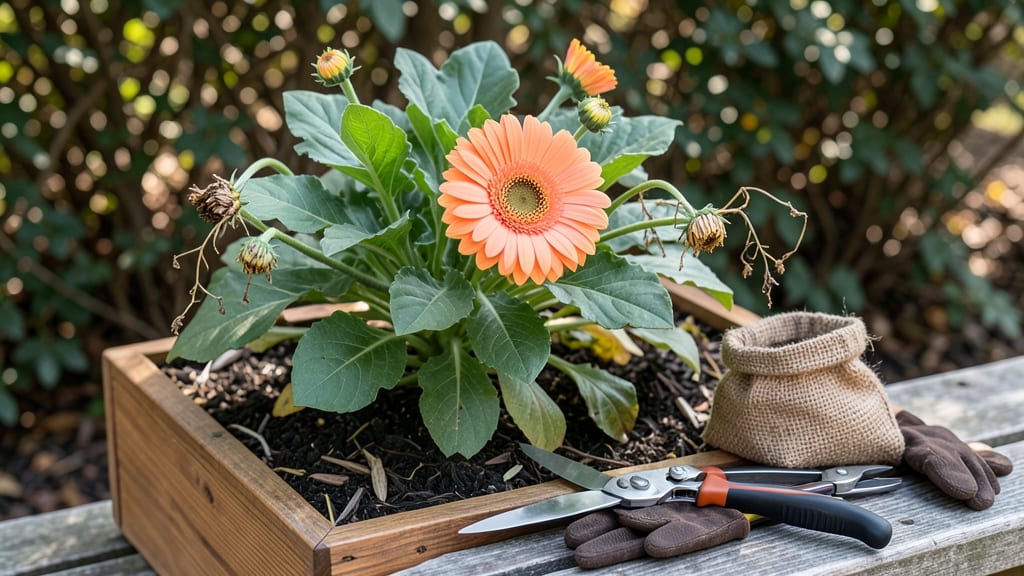
Pruning daisies isn't rocket science—just three sharp cuts can transform your garden from a sea of spent blooms to a showstopper. ✂️ My first attempt left the plants looking like they'd been attacked by a lawnmower, but once I learned the right technique, my daisies bloomed nonstop all summer long.
The secret lies in timing, tool choice, and knowing exactly where to cut.
Start by grabbing clean pruners or sharp scissors—never rip stems by hand—and wait until morning when the plants are hydrated. For deadheading, snip just above the next set of leaves or the first healthy bud, and for shaping, cut back leggy stems to encourage bushier growth.
Perennial daisies need a mid-season trim to keep them compact, while annuals benefit from regular deadheading to prolong flowering.
📚 In This Guide
- What you need
- Instructions
- Tips and common mistakes
- Wrapping up and next steps
What you need
- ● Sharp bypass pruners – 1 pair (for clean cuts on stems and leaves; look for stainless steel blades for durability).
- ● Garden shears or loppers – 1 pair (for thicker stems; opt for 8–12-inch reach for ease).
- ● Gloves – 1 pair (gardening gloves with tactile grip to protect hands from thorns or rough stems).
- ● Disinfectant (rubbing alcohol or bleach solution) – small bottle (to sterilize tools between cuts and prevent disease spread).
- ● Trash bag or bucket – 1–2 (for collecting pruned debris; 13-gallon capacity recommended).
- ● Watering can or hose – 1 (to hydrate plants post-pruning; 1–2 gallon capacity is ideal).
- ● Pruning saw – For very thick stems (if your daisies have woody bases).
- ● Hand lens or magnifying glass – To inspect for pests or diseases up close.
- ● Compost bin – If you plan to repurpose pruned material.
- ● Sunhat and sunscreen – For longer pruning sessions under the sun.
Step-by-Step instructions for pruning daisies
Here's my go-to method for keeping daisies blooming all season with just three easy cuts.
✂️ Step 1: Deadhead Spent Blooms Immediately
Use clean, sharp pruners to snip off the entire flower head—including the stem down to the first set of healthy leaves—right after the petals fade. I always check for blooms that have lost their color or begun to droop; these are your targets. The key is to cut just below the flower head where the stem starts to thicken, which encourages new shoots to form from that node.
Don't wait until the flower head turns brown or seeds form. You'll see new buds forming within a week if you stay on top of this. I like to do this first thing in the morning when the stems are still stiff with dew—it makes the cutting cleaner and reduces the chance of spreading disease.
✂️ Step 2: Thin Out Overcrowded Stems
Look for stems that are growing too close together or look weak and leggy. Use your pruners to cut these stems back to the ground, about ¼ inch above the soil line. This might seem drastic, but it opens up the plant to better airflow and sunlight, which prevents fungal diseases and encourages stronger growth.
Real talk: I used to skip this step, thinking I was being gentle, but my daisies ended up with fewer blooms and more brown spots. Now I make it a point to thin out every 2-3 weeks during the growing season. You'll notice the remaining stems thicken and produce more flowers within a couple of weeks.
✂️ Step 3: Trim Back Leggy Growth for Bushier Plants
If your daisies start looking tall and sparse with long stems but few flowers, it's time for a hard prune. Cut back the entire plant by about ⅓ of its height—this usually means trimming the stems down to about 6-8 inches tall. This might sound scary, but it forces the plant to put energy into producing new, bushier growth instead of just stretching upward.
Here's the thing—I always do this in early summer, just after the first big flush of blooms. You'll see new growth and fresh flowers within 3-4 weeks. Just be sure to water the plants well after pruning to help them recover. If you wait until late summer, the plant might not have enough time to bloom again before fall.
✂️ Step 4: Clean Up Debris and Mulch (Optional but Helpful)
After pruning, rake up any fallen leaves or spent flower heads from around the base of the plants. This keeps the area tidy and reduces the risk of pests or diseases hanging around. I like to add a fresh layer of mulch—about 1-2 inches thick—to help retain moisture and keep the soil cool.
Don't skip this step if you notice yellowing leaves or wilting stems. The mulch helps protect the roots and keeps the soil healthy for the next round of blooms. Plus, it just looks neater, which makes the whole gardening experience more satisfying.
Tips & tricks for perfect daisy pruning
Here's what I've learned after years of keeping my daisies blooming nonstop—these little tricks make all the difference.
Tool Prep: Always sterilize your pruners with rubbing alcohol before you start. I keep a small bottle in my gardening caddy for quick clean-ups between cuts. This prevents spreading disease from plant to plant, especially when working with overcrowded stems in Step 2. A dull blade can also crush stems, so sharpen your pruners regularly—you'll notice the cuts heal cleaner and faster.
Timing Secret: The morning after rain is actually the best time to prune. The stems are stiff with moisture, making them easier to grip and cut cleanly. If you must prune later, do it in the evening when temperatures are cooler. I've found that pruning in the hot afternoon can stress the plants, especially when doing the more aggressive trimming in Step 3.
Visual Cues: Look for these signs when deadheading in Step 1: the petals should still be vibrant, not faded or curling. The center should be a tight green bud, not turning brown. When thinning in Step 2, focus on stems that are leaning or touching neighbors—these are the ones causing competition for sunlight. For Step 3, aim to leave about 3-4 healthy leaves at the base when cutting back leggy growth.
Seasonal Strategy: Save your most aggressive pruning (Step 3) for early summer after the first big bloom cycle. This gives your daisies plenty of warm weather to recover before fall. In fall, switch to just deadheading spent blooms—this keeps the plants healthy through winter and ready to bloom again in spring. I mark my calendar for these seasonal shifts so I don't accidentally prune too late.
Pro Tips for Prune Daisies
- Here's what I've learned after years of keeping my daisies blooming nonstop—these little tricks make all the difference.
- Tool Prep: Always sterilize your pruners with rubbing alcohol before you start.
- Timing Secret: The morning after rain is actually the best time to prune.
Frequently asked questions
Got questions about pruning daisies? You’re not alone! Here are answers to the most common concerns—so you can keep your garden looking fresh and full of life.
When is the best time to prune daisies?
Prune daisies after they bloom in late summer or early fall to encourage a second flush of flowers. For perennial varieties, a light trim in early spring (just as new growth starts) keeps them tidy. Avoid heavy cuts during winter dormancy—daisies need their energy to regrow!
How much should I cut back daisies?
For most daisies, cut back one-third to one-half of the plant’s height. For gerbera daisies, trim spent blooms to the nearest set of leaves. Over-pruning can stress the plant, so avoid cutting into old, woody stems—focus on live growth only!
Can I prune daisies in the middle of summer?
Yes, but lightly! If you spot deadheaded blooms or leggy stems in summer, snip them back to encourage new growth. Just avoid heavy pruning—it can shock the plant and reduce fall blooms. Think of it as a maintenance trim, not a major overhaul.
What if my daisies look sad after pruning?
Don’t worry! Yellowing leaves or wilting can happen if you cut too aggressively. Give your daisies time to recover with regular watering and a balanced fertilizer. If the stems are still green, new growth should sprout within a few weeks.
Do I need special tools to prune daisies?
Nope! Basic tools like sharp pruners or clean scissors work great. For larger clumps, bypass pruners make the job easier. Just sterilize your tools with rubbing alcohol between cuts to prevent disease. No fancy gadgets needed—just keep it simple!
Wrapping up and next steps
Pruning daisies is your secret weapon for longer blooms, healthier plants, and a garden that turns heads! 🌼 By mastering just three simple cuts—deadheading, shaping, and rejuvenating—you’ll keep your daisies thriving all season.
Remember, timing and clean tools are everything, so grab your shears and get ready to transform your garden into a vibrant masterpiece.
Now that you’re armed with the know-how, take action today! Start with one section of your garden, observe how your daisies respond, and soon, you’ll be the proud gardener with the showstopping blooms everyone admires. Happy pruning!