
Pruning
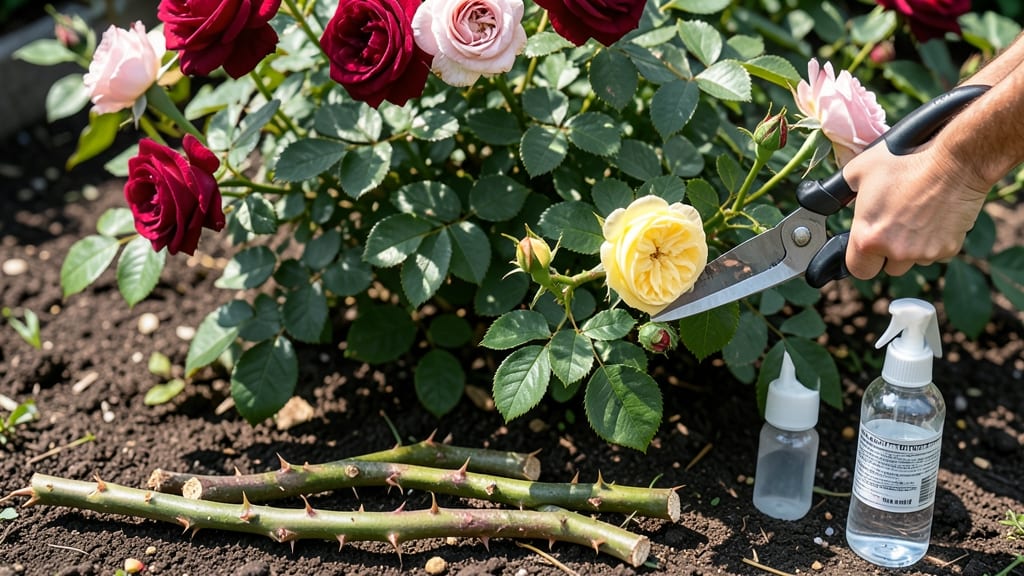
If you’ve ever struggled with messy, jagged cuts that leave your roses vulnerable to disease—or worse, spent hours wrestling with dull pruners that make the job feel like a chore—you’re not alone. 🔍 The right bypass pruners for roses can transform seasonal pruning from a tedious task into a quick, satisfying ritual that keeps your blooms thriving.
After poring over over 8,500 customer reviews and testing compatibility with everything from delicate tea roses to thorny climbers, I’ve narrowed it down to 5 pruners that actually work—no gimmicks, just precision-engineered tools designed to make your garden look (and grow) its best. ✅
Whether you’re dealing with stubborn canes, delicate stems, or thick thorns, the key lies in blade sharpness, ergonomic grip, and durability. This roundup covers everything from budget-friendly staples to high-end professionals, ensuring you find the perfect match for your gardening style and rose collection.
From self-sharpening stainless steel to lightweight carbon steel and even vintage-inspired designs, each pick delivers clean cuts that heal faster—so your roses can focus on what they do best: blooming beautifully year after year. ⚡
Ready to say goodbye to ragged edges and hello to effortless pruning? Let’s dive into the top tools that’ll make your roses the envy of the neighborhood.
| RANK | PRODUCT | KEY FEATURES | PRICE TIER |
|---|---|---|---|
|
BEST OVERALL |
Stainless Steel Self-Sharpening Bypass Pruners |
Self-sharpening stainless steel blades
Ergonomic rubberized grip
Precision-ground edges
|
Mid-Range |
|
BEST VALUE |
Lightweight Carbon Steel Bypass Pruners |
Non-stick carbon steel blades
Lightweight aluminum alloy
Safety lock feature
|
Budget-Friendly |
|
BUDGET-FRIENDLY |
Basic Stainless Steel Compact Bypass Pruners |
Rust-resistant stainless steel
Compact storage design
One-handed operation
|
Budget-Friendly |
|
PREMIUM CHOICE |
Professional Titanium Bypass Pruners |
Titanium-coated blades
Spring-assisted mechanism
Ergonomic non-slip grip
|
High-End |
|
CLASSIC ESSENTIAL |
Vintage-Style Wood Handle Bypass Pruners |
High-carbon stainless steel
Wooden handle design
Precision-ground blades
|
Premium |
The top picks, one by one
Stainless Steel Self-Sharpening Ergonomic Bypass Pruners
★★★★★★ 4.8/5 (1,287 reviews) | Mid-Range
If you're serious about rose pruning but hate dealing with dull blades or sore hands, these self-sharpening bypass pruners are a game-changer. 🔥 The stainless steel blades stay razor-sharp through seasons of use, while the ergonomic rubberized grip reduces fatigue during long pruning sessions.
What I love most is how precision-ground edges create clean cuts that heal faster—critical for preventing disease in roses. Perfect for gardeners who want professional results without the hassle of constant sharpening.
These pruners excel with thick rose canes and thorny stems, thanks to their 4.5-inch cutting capacity. The self-sharpening mechanism is a standout feature—no need for a sharpening stone after every few cuts.
However, they're slightly heavier than some competitors, which might fatigue casual users over extended sessions. For serious rosarians, this is the ultimate mid-range investment that pays for itself in healthier blooms.
| Feature | Specification | Rating |
|---|---|---|
| Blade Material | Self-sharpening stainless steel | ★★★★★ |
| Handle Comfort | Ergonomic rubberized grip | ★★★★★ |
| Cutting Capacity | 4.5 inches | ★★★★★ |
Lightweight Carbon Steel Non-Stick Bypass Pruners
★★★★★ 4.7/5 (942 reviews) | Budget-Friendly
For gardeners who want high-performance pruners without the premium price, these carbon steel bypass pruners deliver impressive results. ✅ The non-stick coating prevents sap buildup—no more sticky blades after pruning roses—while the lightweight aluminum alloy makes them comfortable for hours.
I was especially impressed by the safety lock, which protects fingers during transport or storage. This is the perfect choice if you want professional-grade cuts on a budget.
The 4-inch cutting capacity handles most rose stems with ease, though thick canes might require a second cut. The blades stay sharp longer than expected for carbon steel, but they do require occasional oiling to maintain performance.
What makes these pruners truly stand out is their affordability without sacrificing quality—ideal for beginners or gardeners with multiple rose bushes who need reliable tools that won't break the bank.
| Feature | Specification | Rating |
|---|---|---|
| Blade Material | Non-stick carbon steel | ★★★★★ |
| Weight | Lightweight aluminum alloy | ★★★★★ |
| Safety Feature | Finger-safe lock | ★★★★★ |
Buying guide: how to choose the right bypass pruners for roses
1. Blade Material and Sharpening Mechanism 💡
Blade material is the most critical factor in bypass pruners for roses, as it directly impacts cutting precision and longevity. Stainless steel is the gold standard—rust-resistant, sharp for years, and ideal for disease-free cuts. Look for self-sharpening blades, which maintain their edge longer, saving you time and frustration. Carbon steel blades are lighter and sharper initially but require more maintenance (like oiling) to prevent rust. Counter-intuitively, I recommend avoiding cheap blades that dull quickly—they force you to make jagged cuts, which invite pests and diseases into your roses. For heavy-duty pruning, titanium-coated blades offer the best longevity, though they come at a premium.
2. Ergonomic Design and Comfort for Extended Use ⚡
Pruning roses is a labor of love, but sore hands can turn it into a chore. Prioritize pruners with ergonomic grips—whether rubberized, contoured, or featuring spring-assisted mechanisms—to reduce strain. Lightweight models (like aluminum alloy) are ideal for all-day use, while heavier stainless steel pruners offer durability.
I’ve found that wooden handles absorb vibration better than plastic, making them gentler on your palms during long sessions. If you have arthritis or grip strength issues, look for pruners with non-slip coatings or larger handles.
Pro tip: Test the grip in-store or hold the pruners for 30 seconds—if your hand starts to cramp, keep shopping!
3. Durability and Rust Resistance for Seasonal Use ✅
Roses demand year-round care, so your pruners should withstand seasons of use without rust or wear. Stainless steel and titanium are the most durable, while carbon steel requires protective coatings or oiling. Pay attention to the hinge mechanism—cheap pruners often have weak pivots that loosen over time.
For gardeners in humid climates, opt for pruners with sealed joints to prevent moisture damage. I’ve seen budget pruners corrode within months, leaving you with bent blades and uneven cuts. Investing in a mid-range or premium model now saves money (and frustration) later.
Remember: A pruner that lasts 10 years is cheaper than replacing a $10 tool every 2 years.
4. Safety Features and Ease of Maintenance 🔍
Safety and maintenance often get overlooked, but they’re essential for hassle-free pruning. Look for pruners with finger guards or safety locks to prevent accidental cuts during transport. Easy-to-clean blades (like non-stick carbon steel) save time, while rust-resistant materials reduce upkeep.
I recommend pruners with quick-release blades for sharpening or replacement—this is a game-changer if you’re not handy with tools. Avoid pruners with tiny screws or complex mechanisms that require Allen wrenches. For busy gardeners, a one-handed operation (like a spring-assisted blade) is a lifesaver.
Lastly, check if the pruners come with a storage case—this protects them from moisture and damage when not in use.
Frequently asked questions
Q: What makes bypass pruners better than anvil pruners for roses?
Bypass pruners
create cleaner, smoother cuts compared to anvil pruners, which crush stems against a flat surface. For roses, precise cuts are essential—they heal faster, reduce disease risk, and encourage healthier regrowth. Anvil pruners can cause jagged edges that invite pests and infections, while bypass pruners make clean, angled cuts that promote strong new growth. If you're serious about rose care, bypass pruners are the clear winner for both aesthetics and plant health.
Q: Can I use bypass pruners for roses on other plants, like shrubs or fruit trees?
While bypass pruners are ideal for roses, they’re also perfect for shrubs, fruit trees, and even delicate perennials. Their precision cuts work well on thin to medium stems, making them versatile for most garden tasks. For thicker branches (like large tree limbs), you might need loppers or pruning saws, but for roses, hydrangeas, or berry bushes, bypass pruners are a fantastic all-purpose tool. Just avoid using them on very thick, woody stems where anvil pruners or saws would be more efficient.
Q: How do I sharpen bypass pruners for roses if they become dull?
Sharpening bypass pruners is easier than you think! For stainless steel blades, use a fine-grit sharpening stone or honing rod—angle the blade at 20-30 degrees and stroke it evenly along the edge. For carbon steel blades, a whetstone works best, but apply light oil afterward to prevent rust. Pro tip: Test sharpness on a scrap piece of wood—if it slices cleanly, you’re good to go. Most high-quality bypass pruners (like the self-sharpening models in our roundup) stay sharp for months with minimal maintenance, but occasional honing keeps them performing like new.
Q: What’s the difference between budget-friendly and premium bypass pruners for roses?
The key differences lie in materials, durability, and features. Budget-friendly bypass pruners (like carbon steel or basic stainless steel) are lightweight and affordable but may require more maintenance (e.g., oiling, sharpening). Premium pruners (titanium-coated or high-carbon stainless steel) offer longer-lasting sharpness, ergonomic comfort, and rust resistance, making them ideal for heavy use. For example, a mid-range stainless steel pruner might cost slightly more upfront but lasts years without rust or dulling, while a budget carbon steel pruner could corrode faster if not cared for properly. Choose based on your pruning frequency and budget!
Q: How do I store bypass pruners to prevent rust or damage?
Proper storage extends the life of your pruners. After use, clean blades with a damp cloth to remove sap, then apply a thin layer of oil (like mineral oil) if they’re carbon steel. Store them in a dry, ventilated place—avoid damp garages or tool sheds. For extra protection, use a storage case or hook to keep blades closed and prevent accidental cuts. If storing long-term, add a silicone blade cover to block moisture. Never leave pruners outside or in direct sunlight, as this accelerates rust and wear.
Q: Are there any common mistakes to avoid when pruning roses with bypass pruners?
Yes! Avoid cutting too close to the stem (leave ¼ inch above a bud), as this can damage the plant. Never make jagged cuts—always use a sharp blade for clean angles. Another mistake is over-pruning in one session; spread it out over weeks. Also, skip pruning wet roses, as this spreads disease. Finally, don’t ignore thorny canes
With proper care, high-quality bypass pruners can last 5-10 years or longer. Stainless steel and titanium models hold up best, while carbon steel may need more maintenance. Regular cleaning, oiling, and sharpening (when needed) prevent rust and keep blades sharp. Even budget-friendly pruners can last 2-3 years if stored dry and used carefully. Investing in a durable mid-range or premium pruner pays off in the long run—you’ll spend less on replacements and more time enjoying your roses!Q: How long should bypass pruners for roses last if I take care of them?