
Pruning
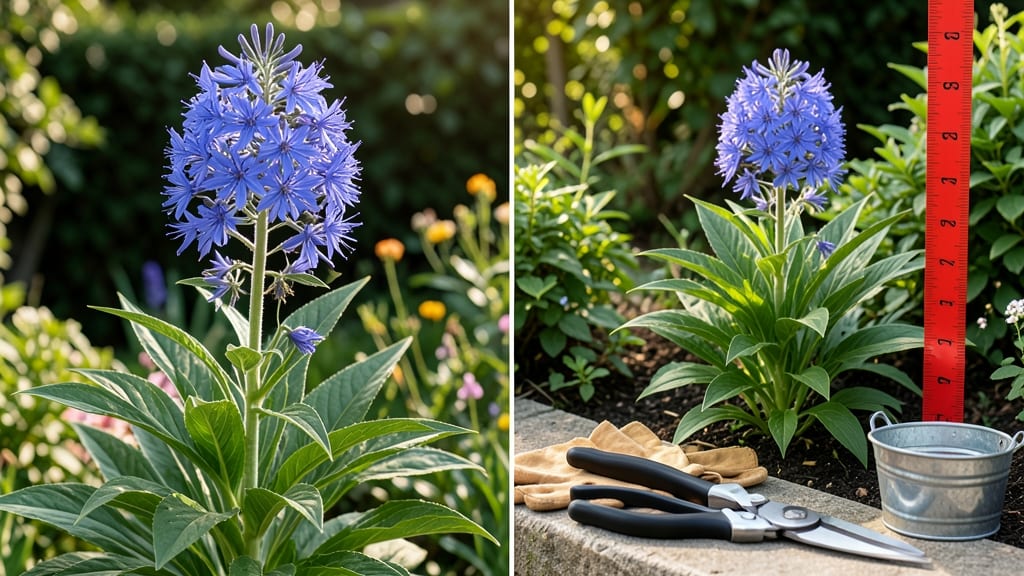
Pruning delphinium in late winter isn’t just about tidying up—it’s the secret to 6-foot-tall spikes of blue, purple, and white blooms all summer. 🌿 After my first year of skipping this step, my plants flopped into sad, leggy shadows by July.
The right cuts now mean I get bold, sturdy stems that hold their own against wind and rain.
You’ll need sharp bypass pruners (dull blades crush stems) and a clear day when temps are above 40°F. Cut back all stems to 4-6 inches above the ground—this might look brutal, but delphiniums bounce back stronger.
The key is timing: wait until after hard frosts have passed but before new growth appears, usually February-March in most zones.
What you’ll end up with is a neat, tidy mound that looks like a fresh start. By early summer, those same stems will shoot up 2-3 feet before flowering, and the blooms arrive 2-3 weeks earlier than unpruned plants.
The foliage stays lush too—no more sparse, weak stems struggling to support heavy flower clusters.
Pro tip: Mark where you cut with a stake or flag if you’re unsure where the crown is. And if your plants are younger than 2 years old, skip the heavy pruning—just remove dead stems.
This method works for all delphinium varieties, from dwarf types to giant cultivars like ‘Blue Bird’ and ‘Black Knight.’
📚 In This Guide
- What you need
- Instructions
- Tips and common mistakes
- Wrapping up and next steps
What you need
- ● Bypass pruners: Sharp, clean pruners with 4- to 6-inch handles for precision cuts. Look for ergonomic grips to reduce hand fatigue.
- ● Loppers: A pair with 8- to 12-inch handles for thicker stems (delphiniums can grow woody over time!).
- ○ Garden shears or hedge shears: For bulkier cuts or larger clumps of stems (optional but helpful for thick growth).
- ● Disinfectant (rubbing alcohol or 10% bleach solution): To wipe down tools before and after use and prevent disease spread.
- ● Garden gloves: Heavy-duty, cut-resistant gloves to protect your hands from thorns and rough stems.
- ○ Compost or mulch: A 2- to 3-inch layer to replenish nutrients after pruning (optional but recommended).
- ● Markers or flags: Small stakes or plant markers to label pruned sections if you’re unsure about regrowth (helpful for beginners!).
- ● Trash bag or bucket: For disposing of pruned stems (delphiniums can get heavy—aim for a sturdy container!).
- ● Watering can or hose: To hydrate plants before and after pruning (especially in dry climates).
- ● Choose a dry, overcast day to minimize stress on the plant (avoid pruning in extreme heat or cold).
- ● Wait until late winter or early spring (after the last frost but before new growth emerges).
- ● Review your delphinium’s growth habit—some varieties (like Delphinium elatum) need more aggressive cuts than others.
Step-by-step instructions for pruning delphinium in late winter
Here's the precise method I use every year to coax those iconic 6-foot spikes from my delphiniums.
✂️ Step 1: Time Your Cut for Early Spring Growth
Prune delphiniums in late winter, just as new growth begins but before active shoots emerge. I target February or early March in my zone 6 garden, when daytime temperatures hover around 45-50°F. This timing ensures you remove last year's dead growth without disturbing tender new buds.
Use sharp, clean pruners to cut back stems to 4-6 inches above the ground. The goal is to remove all dead or damaged growth while leaving the crown intact. I like to make clean cuts at a slight angle to prevent water from pooling on the stubs, which could rot the base.
If your delphiniums are particularly tall, you might need to cut them in stages—first removing the top half, then the lower stems a week later. This prevents the plant from expending energy on regrowing too much foliage at once.
🌱 Step 2: Remove Dead and Weak Stems Selectively
After the initial cut, inspect the crown for any remaining dead or weak stems. These appear brown, mushy, or hollow when sliced open. I snip these out completely, as they won’t produce new growth and can harbor pests or disease.
Leave only the healthiest stems—look for firm, green bases with visible buds or swelling nodes. These are your future blooming spikes. If you’re unsure, err on the side of caution and leave the stem; delphiniums are resilient and can recover from minor mistakes.
I also remove any old flower spikes that didn’t die back naturally over winter. These can harbor fungal spores and compete with new growth for nutrients.
☀️ Step 3: Fertilize and Mulch for Strong New Growth
After pruning, apply a balanced, slow-release fertilizer (like 10-10-10) around the base of the plant, keeping it 3-4 inches away from the crown. Delphiniums are heavy feeders, and this jumpstarts their spring growth. Water deeply to help the fertilizer integrate into the soil.
Top with 2-3 inches of organic mulch, such as shredded bark or compost. This conserves moisture, suppresses weeds, and protects the crown from late-season frosts. I avoid thick layers of mulch, as delphiniums prefer well-draining soil and can rot in soggy conditions.
Monitor the soil moisture closely in the weeks following pruning. Delphiniums need consistent moisture to establish new roots, but their crowns must never sit in water. If the ground feels damp to the touch after watering, hold off until the top inch dries out.
⏰ Step 4: Watch for New Shoots and Adjust Care
Within 2-4 weeks, you should see new shoots emerging from the crown. These will be thin, pale green, and tender—like tiny asparagus spears. This is your cue that the pruning was successful and the plant is waking up for the season.
Once new growth reaches 4-6 inches tall, it’s time to stake your delphiniums. I use 6-foot bamboo stakes inserted 6 inches into the ground beside each plant. Tie the stems loosely with soft garden twine as they grow to prevent wind damage.
If you notice any yellowing leaves or stunted growth, it could signal over-fertilization or poor drainage. In that case, reduce watering slightly and avoid adding more fertilizer until the plant shows stronger signs of recovery.
Tips & tricks for perfect delphinium pruning
These game-changing strategies will help you transform your winter-dormant delphiniums into next summer's showstopping floral towers.
Timing is Everything: That 45-50°F temperature range in late winter isn't just arbitrary—it's when delphiniums naturally begin their growth cycle. I've learned the hard way that pruning too early (when temps are still below freezing) stresses the plants, while waiting too long (when new shoots appear) risks damaging those tender buds. Check your local frost dates and aim to prune 1-2 weeks before your last expected frost in your zone.
Tool Preparation Matters: Your pruners should be sharper than your gardening ambitions. Dull blades crush stems instead of making clean cuts, which can invite disease. Before you start, wipe your pruners with rubbing alcohol to sterilize them—this prevents spreading any fungal spores from plant to plant. I also keep a small spray bottle of water handy to mist the blades between cuts, which helps prevent the stems from sticking and tearing.
Staging the Prune: For those towering delphiniums that reach 6 feet or more, I've found that staged pruning makes all the difference. After removing the top half of the stems, I wait a full week before tackling the lower stems. This gives the plant time to redirect energy to root development rather than immediately producing excessive foliage. Think of it like giving your delphiniums a spa day—gradual treatment yields better results.
Post-Prune Inspection: After you've finished cutting, do a final sweep of the crown area. Look for any remaining dead stems that might have been hidden behind larger growth. I use a small hand trowel to gently lift the mulch and check the base—sometimes those sneaky dead stems hide right at the soil line. This thorough cleanup prevents future pest problems and ensures all your plant's energy goes toward producing those iconic summer spikes.
Pro Tips for Prune Delphinium
- These game-changing strategies will help you transform your winter-dormant delphiniums into next summer's showstopping floral towers.
- Timing is Everything: That 45-50°F temperature range in late winter isn't just arbitrary—it's when delphiniums naturally begin their growth cycle.
- Tool Preparation Matters: Your pruners should be sharper than your gardening ambitions.
Frequently asked questions
Got questions about pruning your delphinium? You’re not alone! Here are some of the most common concerns—plus expert answers to keep your towering beauties thriving.
When is the exact best time to prune delphinium?
Late winter (just before new growth starts) is ideal—typically February to early March in most climates. If you missed this window, prune in early spring (before foliage emerges) or after flowering (late summer). Avoid pruning in fall or during active growth, as this can stress the plant.
Should I cut delphinium all the way to the ground?
No! Only remove dead, brown stems and cut healthy stems back by half their height (about 12–18 inches). This encourages bushier growth and prevents disease. Never cut into the woody base—delphiniums store energy there for next year’s blooms!
What if my delphinium looks sad after pruning?
Don’t panic! Delphiniums often look worse for a few weeks post-prune as they focus energy on new shoots. Water deeply after cutting, and fertilize with a balanced, low-nitrogen formula (like 10-10-10) to support regrowth. Yellowing leaves? It’s normal—just trim them off to redirect energy.
Can I prune delphinium in containers differently?
Container-grown delphiniums need more frequent pruning to stay compact. After flowering, cut back one-third of the plant to encourage a second (though smaller) bloom cycle. In winter, prune like in-ground plants but avoid overcrowding—delphiniums in pots need airflow to prevent rot.
What’s the worst pruning mistake to avoid?
The biggest no-no? Pruning too late in summer or fall—this removes next year’s flower buds hidden in the stems! Also, never use dull shears (they crush stems, inviting disease). Always cut at a 45-degree angle just above a leaf node, and sterilize your tools with rubbing alcohol between cuts.
Wrapping up and next steps
Pruning your delphinium in late winter isn’t just about tidying up—it’s your secret to stunning summer blooms and healthier plants! By following these steps, you’ll encourage strong stems, vibrant flowers, and a plant that thrives for years. You’ve got this! 🌱✨
Now that you’re armed with the know-how, grab those pruners and give your delphinium the care it deserves. Next, consider mulching around the base to retain moisture and protect roots as spring approaches. Happy gardening!