
Pruning
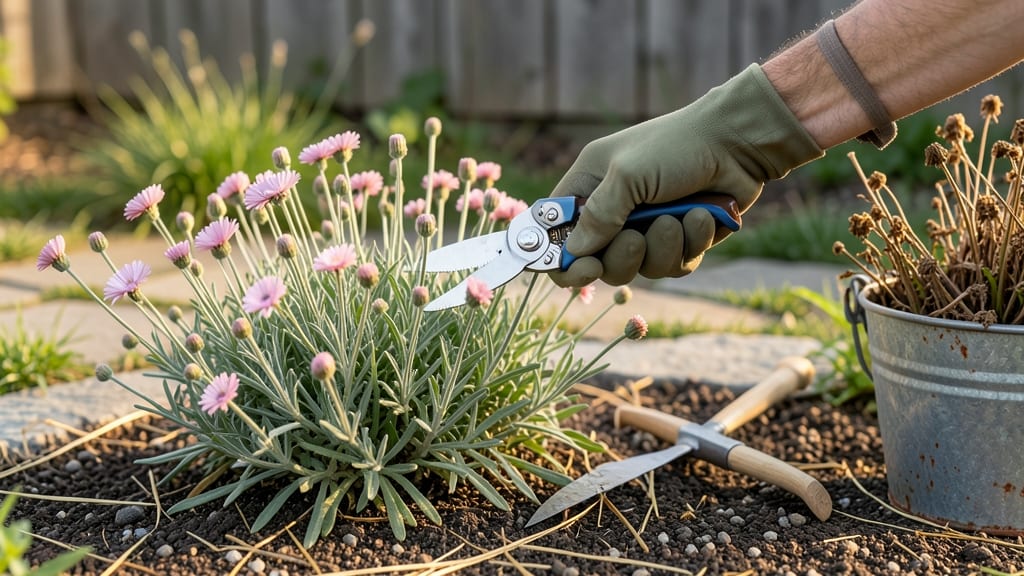
Pruning dianthus in fall isn't just about cleanup—it's the secret to next spring's showstopping blooms. 🌸 I've learned that skipping this step means weaker stems, fewer flowers, and plants that struggle to bounce back after winter. The right timing and technique make all the difference.
Start by waiting until after the last flowers fade but before hard frost hits—typically mid-October in most zones. Grab sharp pruners (dull blades crush stems) and cut back one-third of the plant's height, focusing on dead or leggy growth. This encourages fresh, sturdy growth in spring.
What you'll end up with is a neat, compact plant that recovers faster from winter and bursts with color earlier. The fragrance alone makes it worth the effort—imagine that sweet, clove-like scent on a spring morning. Works for both perennial and tender varieties, though zone-specific adjustments matter.
Here's how to do it right without over-pruning or inviting pests.
📚 In This Guide
- What you need
- Instructions
- Tips and common mistakes
- Wrapping up and next steps
What you need
- ● Bypass pruners: A sharp, high-quality pair (e.g., Felco or Fiskars) with 4- to 6-inch blades for clean cuts. Why? Dull blades crush stems, inviting disease.
- ○ Hand pruners (optional): For smaller stems or tight spaces, a compact pair (e.g., Corona or Gonicc) with 3-inch blades works well.
- ● Gloves: Heavy-duty gardening gloves (e.g., mechanics’ or rose-pruning gloves) to protect against thorns and dirt.
- ● Disinfectant: A 70% isopropyl alcohol spray or 10% bleach solution (1 part bleach to 9 parts water) to sterilize tools between cuts.
- ○ Pruning saw (optional): For thick, woody stems (rare in Dianthus but useful for overgrown plants). Choose a curved-tooth saw for clean cuts.
- ● Trash bags or bucket: For collecting pruned debris. A 5-gallon bucket with a lid keeps mess contained.
- ● Compost bin or bag: To recycle healthy clippings (avoid diseased plants).
- ● Rake or leaf blower: To clear fallen leaves/debris from the pruning area.
- ○ Markers or flags (optional): Colored plant ties or stakes to label sections if you’re dividing plants post-pruning.
- ● Weather check: Prune on a dry, overcast day (or morning/evening) to avoid stressing the plant.
- ● Tool sharpening: Hone blades with a file or sharpening stone before starting.
- ● Plant health assessment: Inspect for pests (aphids, spider mites) or disease (powdery mildew). Treat issues before pruning.
Step-by-Step guide for pruning dianthus in fall
Here's the method I rely on to keep my dianthus thriving year after year—simple, effective, and timed just right.
✂️ Step 1: Wait for the Right Time to Prune
Prune your dianthus in late fall, after the first hard frost has blackened the foliage but before the ground freezes solid. This timing ensures you remove dead growth while protecting the plant's crown from winter damage. I aim for mid-to-late November in my zone, but adjust based on your local frost dates.
Look for brown, crispy stems and wilted leaves—these are your cues. Avoid pruning too early, as lingering green growth can rot over winter. If you miss the window, wait until early spring before new growth appears, but pruning in fall gives your plants a stronger start next season.
✂️ Step 2: Cut Back Dead and Damaged Growth
Using clean, sharp pruners, trim back all the dead stems to about ½ inch above the soil line. This removes debris that could harbor pests or disease over winter. I like to make angled cuts just above a leaf node or bud to encourage new growth from the right spot.
Don’t worry about cutting too much—dianthus is tough and will bounce back. If you’re unsure whether a stem is dead, gently tug on it. If it pulls away easily, it’s dead and ready to go. Skip any stems that still look green or have a hint of life; these will survive the winter and bloom again next year.
✂️ Step 3: Thin Out Crowded Foliage
Next, focus on the healthy stems. Dianthus can get leggy or overcrowded, so thin out 10-20% of the oldest or weakest stems to improve airflow and reduce disease risk. I usually remove stems that are thin, spindly, or growing in the wrong direction—these rarely produce strong blooms.
Make your cuts at the base of the stem, just above the soil. This encourages new, vigorous growth from the center of the plant. If your dianthus is particularly bushy, you can even lightly shape the plant by trimming back the longest stems to maintain a compact form. Just don’t overdo it—you want to leave enough foliage to protect the crown.
🪴 Step 4: Clean Up and Protect the Plant
After pruning, remove all the clippings from the garden bed to prevent pests or diseases from overwintering. I like to toss them in the compost bin, but if you notice any signs of disease (like black spots or mold), bag them and throw them away instead.
Finally, give your dianthus a light mulch—about 1-2 inches of shredded bark or straw—to insulate the roots and protect against freezing temperatures. Avoid piling mulch right against the stems, as this can cause rot. Water the base lightly if the soil feels dry, but don’t overdo it; dianthus needs to go dormant for winter.
⏰ Step 5: Monitor and Prepare for Spring
Check your pruned dianthus once a month through winter to ensure no new growth is emerging. If you see green shoots pushing through the soil, it’s a sign the plant is waking up early—cover them lightly with mulch to protect them from late frosts.
In early spring, just as new growth appears, give your dianthus a light trim to shape it and remove any remaining dead stems. This final touch sets the stage for bold, vibrant blooms all season long. With this method, my dianthus always comes back stronger and more beautiful than ever.
Tips & tricks for perfect fall dianthus pruning
Timing and technique make all the difference when prepping dianthus for winter's chill.
Frost Timing Tip: The first hard frost is your golden cue—wait until stems turn crispy brown and leaves wilt completely. I check my local frost dates each year, but a simple test works too: crush a leaf between your fingers. If it snaps like dry paper, it's ready. Pruning too early risks leaving vulnerable green growth that can rot in cold soil.
Pruning Precision: In Step 2, those angled cuts just above leaf nodes aren't just decorative—they create perfect growth points for spring. Use clean pruners and make cuts at a 45-degree angle about ½ inch above the soil line. This technique prevents water from pooling on the stem, which could cause rot during winter's wet spells.
Thinning Strategy: When focusing on healthy stems in Step 3, aim to remove about 15% of the oldest growth. I target the spindly stems growing outward—they rarely bloom well and compete with stronger central stems. This opens up the plant's center for better airflow, which is crucial for preventing fungal issues during winter's damp periods.
Mulch Magic: That 1-2 inch layer of mulch in Step 4 serves two critical purposes: it insulates roots from freezing temperatures while preventing soil heaving. I use shredded bark because it breaks down slowly, providing long-term protection. Just remember to keep it 2 inches away from stems to avoid moisture buildup that could cause rot.
Pro Tips for Prune Dianthus In Fall
- Timing and technique make all the difference when prepping dianthus for winter's chill.
- Frost Timing Tip: The first hard frost is your golden cue—wait until stems turn crispy brown and leaves wilt completely.
- Pruning Precision: In Step 2, those angled cuts just above leaf nodes aren't just decorative—they create perfect growth points for spring.
Frequently asked questions
about pruning dianthus in fall—because even the best gardeners need a little guidance! Here are answers to the most common queries to help you prune like a pro.When is the exact best time to prune dianthus in fall?
Prune dianthus after the first hard frost (when foliage turns brown or yellow) but before winter dormancy sets in. Aim for late October to mid-November in most U.S. zones. This timing balances frost protection with fresh growth prep for spring.
What if I miss fall pruning? Can I still do it in early spring?
Yes! Spring pruning (March–April) works too, but it may delay blooms slightly. Cut back dead stems to 2–3 inches above the base and fertilize lightly to encourage new growth. Just avoid heavy pruning if buds are already forming.
Should I prune dianthus all the way to the ground?
No—never cut to bare soil! Leave 2–3 inches of stem above the base to protect the crown from rot and cold. This also preserves energy reserves for next year’s blooms. Think of it as a "haircut," not a buzz cut!
My dianthus looks sad after pruning—is this normal?
Temporary wilting or sparse foliage is normal post-prune, but severe browning or mushy stems signal over-pruning or disease. If soil stays soggy, improve drainage. Most plants bounce back in spring with proper care!
Can I prune dianthus in containers differently?
Container dianthus follow the same rules, but check for root-bound plants first. Gently loosen roots if crowded, then prune as usual. Containers dry out faster—water thoroughly after pruning to reduce stress.
How often should I prune dianthus after the first fall cut?
After the initial fall prune, only trim spent blooms in spring (deadheading) and lightly shape in early summer. Avoid heavy pruning yearly—dianthus thrives with minimal intervention!
Wrapping up and next steps
Pruning your dianthus in fall is a simple yet powerful way to ensure vibrant blooms next spring!
By removing dead foliage, thinning crowded stems, and shaping your plants, you’re giving them the best chance to thrive. Don’t wait—grab those shears and get pruning! 🌸 Once you’ve tackled the task, consider adding a fresh layer of mulch or planning your spring planting schedule to keep your garden flourishing year-round.