
How To
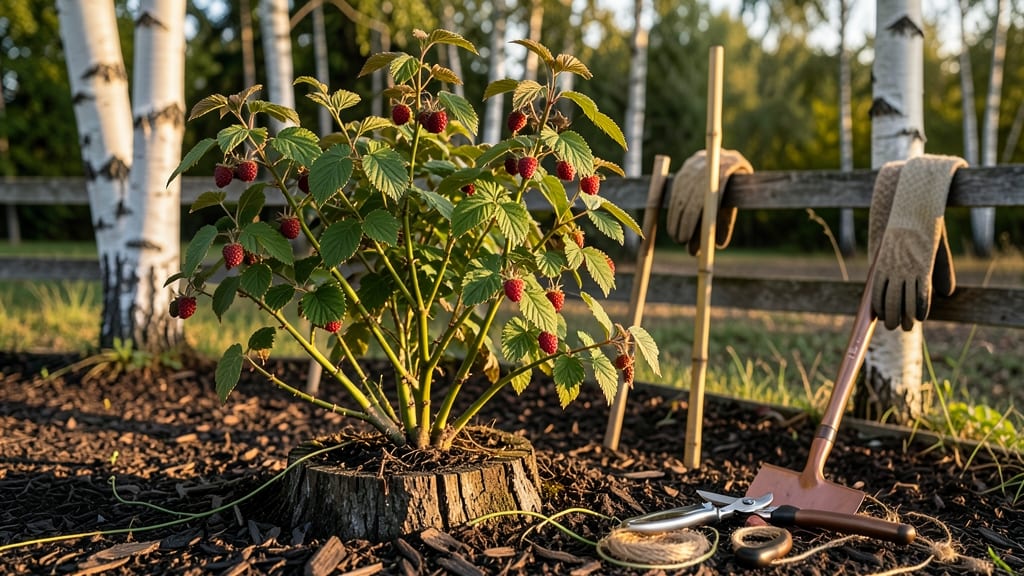
Pruning everbearing raspberries in late winter isn’t just maintenance—it’s the secret to doubling next year’s harvest. ✂️ I learned this the hard way when my patch produced half the berries after skipping the cut, but now my plants thrive with a simple routine that takes just 30 minutes.
The key is removing old canes (the ones that fruited last year) and leaving the new ones to grow strong. Everbearing types produce fruit on both old and new wood, so timing matters—wait until after the last frost but before new shoots emerge.
Grab your pruners, gloves, and a bucket for the cuttings, and you’re ready to transform a tangle into a productive machine.
By spring, you’ll see fresh green canes shooting up like arrows, each one packed with potential. The plants breathe easier, disease risk drops, and sunlight reaches every berry. Best of all? You’ll taste the difference in juicier, sweeter fruit come summer. Let’s get those canes trimmed!
📚 In This Guide
- What you need
- Instructions
- Tips and common mistakes
- Wrapping up and next steps
What you need
- ● Pruning shears or loppers: Choose bypass pruners (sharp, clean blades) for clean cuts. A 10- to 12-inch lopper works well for thicker canes.
- ● Gloves: Heavy-duty, cut-resistant gloves (e.g., leather or reinforced fabric) to protect against thorns and scrapes.
- ○ Disinfectant (optional but recommended): A 10% bleach solution (1 part bleach to 9 parts water) or rubbing alcohol to sterilize tools between cuts and prevent disease spread.
- ● Garden twine or zip ties: For tying canes to a trellis or support structure (about 50 feet, depending on your patch size).
- ● Rake or hoe: To clear debris and weeds around the base of the plants.
- ● Trash bags or compost bin: For disposing of pruned canes (aim for 2-3 large bags if your patch is mature).
- ● Hand pruners: For smaller, more delicate cuts on lateral shoots.
- ● Knee pad or stool: If your raspberries are tall or the ground is uneven.
- ● Label markers: To tag new canes if you’re experimenting with varieties.
- ● Mulch (straw or wood chips): To protect the soil and suppress weeds post-pruning.
Step-by-Step guide to pruning everbearing raspberries
Late winter is the perfect time to refresh your raspberry patch—just a few strategic cuts now mean bigger harvests all season.
✂️ Step 1: Identify and Remove Dead or Diseased Canes
Start by examining each cane at the base. Look for blackened, mushy, or hollow stems—these are dead or infected and should be cut down to the ground immediately. Healthy canes feel firm when you squeeze them and have a solid core. I like to bundle all the canes together in my hand to spot the sickly ones more easily.
Use clean, sharp pruners to make a clean cut at the base. This prevents disease from spreading to other canes. If you find any canes with rust spots or mold, bag them and toss them in the trash—not the compost. Everbearing raspberries are particularly susceptible to diseases like spur blight, so removing infected canes early is critical.
✂️ Step 2: Thin Out Overcrowded Canes for Better Airflow
Everbearing raspberries produce fruit on both new and old canes, so you’ll see a mix of last year’s brown canes and this year’s green ones. Leave about 6-8 of the healthiest, most vigorous canes per plant. Thin by cutting the thinnest or weakest canes at the base—these are competing for nutrients and won’t produce well anyway.
Here’s the thing—don’t leave too many canes. Overcrowding leads to poor airflow, which invites fungal diseases. You’ll know you’ve got the right number when you can easily run your hand between the canes without brushing against them. If your patch is young, you can leave more canes now and thin further in early spring.
✂️ Step 3: Prune Old Canes After Harvest (For Next Year’s Growth)
Wait until after the first frost or when the plant goes dormant to tackle the old canes. These are the brown, woody stems from last year that produced fruit in summer and fall. Cut them down to the ground completely—everbearing raspberries only fruit on new growth, so these old canes are done for the year.
I like to do this in late winter because it’s easier to see the canes without the leaves in the way. Use your pruners to make a clean cut right at the base. If you’re unsure which canes are old, look for the thicker, darker stems—these are the ones to remove. This step opens up space for this year’s canes to grow strong and produce more fruit.
✂️ Step 4: Shape and Support New Growth for the Season
After removing the dead and old canes, take a step back and look at the remaining canes. Tie them to a trellis or support wires to keep them upright and organized. This prevents them from flopping over and makes harvesting easier. Use soft ties like plastic spiral wrap or old pantyhose—never wire or anything that can cut into the canes.
If any canes are growing at odd angles or crossing over each other, gently guide them into a more upright position. You’ll see new green shoots emerging from the base in early spring—these are your fruit-producing canes for next year. Pruning now ensures they have plenty of room to grow without competing for sunlight or nutrients.
🌱 Step 5: Clean Up and Mulch for Spring
Once all the pruning is done, clear away any fallen leaves, debris, or old fruit from around the base of the plant. This reduces pests and diseases over winter. I like to rake up everything within a 3-foot radius—raspberries can harbor pests in their debris.
Spread a 2-3 inch layer of organic mulch around the base, keeping it a few inches away from the canes to prevent rot. This helps retain moisture, suppress weeds, and regulate soil temperature as the season warms up. A light layer of straw or shredded leaves works well—just avoid thick mulch piles that can smother the canes.
Tips & tricks for perfect everbearing raspberry pruning
These simple strategies will help you transform your raspberry patch into a thriving, high-yielding garden with minimal effort.
Tool Prep: Before you start, sharpen your pruners and disinfect them with rubbing alcohol. I learned this the hard way after transferring disease from infected canes to healthy ones using the same tools. Clean cuts also heal faster, reducing the risk of infection. A small investment in quality pruners makes all the difference—look for ones with bypass blades that cut cleanly without crushing stems.
Visual Cues for Healthy Canes: In Step 1, when identifying healthy canes, look for a slight sheen on the stems—this indicates good moisture content. Also, gently scratch the bark with your fingernail: healthy canes will have a greenish layer underneath, while dead ones will reveal only brown. This quick test saves time and prevents accidental removal of productive canes.
Timing Secret: The "after first frost" window in Step 3 is your best bet for pruning old canes, but don't stress if you miss it. You can safely prune until early spring as long as the plant is dormant. The key is avoiding active growth periods—new shoots are most vulnerable to damage from pruning. If you're unsure about frost timing, check for bud swell on the canes, which signals it's too late to prune.
Mulch Depth Matters: When applying that 2-3 inch layer of mulch in Step 5, resist the urge to go thicker. Too much mulch creates anaerobic conditions that can suffocate roots. Instead, refresh your mulch layer every season—this prevents compaction and maintains proper moisture levels. I like to use straw because it breaks down slowly and provides consistent coverage.
Pro Tips for Prune Everbearing Raspberries
- These simple strategies will help you transform your raspberry patch into a thriving, high-yielding garden with minimal effort.
- Tool Prep: Before you start, sharpen your pruners and disinfect them with rubbing alcohol.
- Visual Cues for Healthy Canes: In Step 1, when identifying healthy canes, look for a slight sheen on the stems—this indicates good moisture content.
Frequently asked questions
about pruning everbearing raspberries can help clear up confusion and ensure your bushes thrive. Here are answers to the most common queries:When is the best time to prune everbearing raspberries?
Late winter or early spring—just before new growth starts—is ideal. This timing removes dead canes while leaving healthy ones to produce fruit. Avoid pruning in fall, as it can expose canes to winter damage. For everbearing varieties, a light summer trim after harvest also helps encourage fall fruit.
Do I need to prune everbearing raspberries every year?
Yes! Annual pruning keeps your bushes productive and healthy. Everbearing raspberries produce fruit on both first-year (primocanes) and second-year (floricanes) canes. Pruning removes old, unproductive canes and makes space for new growth. Skipping pruning can lead to overcrowding and reduced yields.
What if I accidentally prune too much?
Don’t panic! If you remove too many canes, your plant will recover by producing new shoots from the base. Focus on keeping at least 3-5 strong canes (mix of primocanes and floricanes) to ensure fruit production. Over-pruning in one season won’t kill your bush—just adjust next year’s cuts.
Will pruning affect my raspberry harvest this year?
Not if done correctly! Pruning in late winter removes last year’s fruit-bearing canes (floricanes) but leaves primocanes to grow and produce fruit in summer. Everbearing varieties will still yield a fall harvest from new canes. The key is timing—prune after the harvest season to avoid cutting off potential fruit.
Can I prune everbearing raspberries the same way as summer-bearing ones?
No—they require different approaches. Summer-bearing raspberries only fruit on second-year canes, so you remove all old canes after harvest. Everbearing raspberries fruit on both first- and second-year canes, so you keep some primocanes (for summer fruit) and floricanes (for fall fruit) each year. Mixing methods can reduce yields.
Wrapping up and next steps
Pruning your everbearing raspberries in late winter isn’t just about tidying up—it’s your secret weapon for a juicier, healthier harvest next season! 🌱 By removing old canes, thinning crowded growth, and sharpening your tools, you’re giving your plants the space and energy to thrive.
Remember, consistency is key, so mark your calendar for next winter’s pruning session.
Now that you’re armed with the know-how, roll up your sleeves and get pruning! Your future self (and your taste buds) will thank you. Ready to take it further? Explore companion planting tips to boost your raspberry patch’s productivity even more!