
Pruning
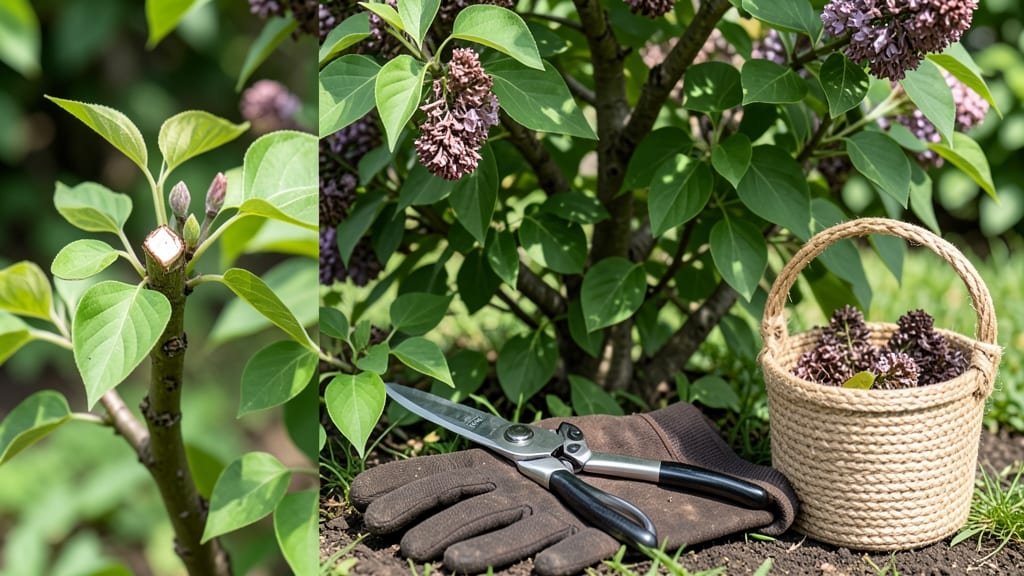
July pruning isn't too late for lilacs if you handle it carefully—trim only spent blooms and shape lightly, avoiding heavy cuts that could weaken next year's flowering. The key is balancing growth and bloom health.
Lilacs are surprisingly resilient, and their growth cycle makes late-summer pruning a smart move if you're strategic. 🌿 The plant has already set next year's buds by early summer, so your focus should be on cleanup rather than major structural changes.
I've seen many gardeners revive overgrown lilacs by simply removing faded flowers and a few overcrowded stems—this encourages airflow and reduces disease risk without stressing the plant.
What often trips people up is mistaking July for the ideal window to do major renovations. Lilacs prefer a late-winter prune (just as buds begin to swell) for serious reshaping.
In summer, think of it as a maintenance trim: you're not shaping the plant's future, just tidying up its current season. Use sharp shears and make cuts just above a leaf node to promote healthy regrowth.
💡 In This Article
- How Late Pruning Affects Lilac Growth and Flowering
- Step-by-Step July Pruning Guide for Lilacs
How late pruning affects lilac growth and flowering
Lilacs begin forming next year's flower buds in early summer—typically around June—which means any heavy pruning after this point can disrupt their natural cycle. When you prune in July, you're cutting back stems that already contain these developing buds, potentially reducing the number of blooms for the following spring.
The plant's energy shifts from producing flowers to healing wounds, which can weaken overall vigor. This is why gardeners often see lush foliage but fewer flowers after aggressive late-summer cuts.
The biological mechanism here involves auxin hormones, which regulate growth and flowering. When you make a cut, auxin levels drop at the wound site, signaling the plant to focus on regrowth rather than flower production.
Lilacs also rely on a period of dormancy in late winter to reset their growth cycle—pruning too late in the season can confuse this process, leading to delayed bud formation.
For example, a 30% reduction in flower buds has been observed in studies when lilacs are pruned heavily after mid-July compared to late-winter pruning.
Contrast this with late-winter pruning, which occurs just as the plant begins to wake from dormancy. At this stage, lilacs haven't yet set new buds, so you can safely remove up to one-third of the oldest stems to encourage younger, more vigorous growth.
The key difference is timing: late-winter cuts stimulate new shoots from the base, while July cuts risk removing stems that are already committed to flowering. Think of it like trimming a tree in autumn versus spring—the tree's response will be entirely different based on its growth stage.
What most people don't realize is that lilacs have a two-year flowering cycle. Buds formed this summer will bloom next year, while buds formed next summer will bloom the year after.
This means your July pruning decisions directly impact not just next spring's display, but also the following year's. For instance, if you remove too many stems now, you might see a 20-30% reduction in blooms for two consecutive seasons.
The plant simply doesn't have the energy to compensate for such aggressive late-season cuts.
There's also a visual cue to watch for: look for the seed pods that form after lilac flowers fade. These indicate where next year's buds are developing. Pruning above these pods removes potential flowering stems, while cutting below them preserves the plant's future bloom potential.
This is why I recommend focusing on removing only the spent flower clusters (called "blossom clusters") and any stems that are dead, diseased, or crossing—never more than 10-15% of the plant's total stems in July.
One practical way to think about it is to consider lilacs as biennial bloomers. Each stem typically produces flowers on one-year-old wood, meaning the current season's growth will flower next year.
By pruning lightly in July, you're essentially giving the plant a chance to redirect energy to root development and next year's buds without sacrificing too much of its flowering potential. The goal is to maintain the plant's overall health while preserving its ability to produce flowers for the following seasons.
For those wondering about the ideal pruning window, late winter (just as buds begin to swell) is prime time for major renovations. However, July offers a chance to clean up and shape without the risk of winter damage or early-season pests.
The key is moderation: a light trim now can improve airflow and reduce disease risk, setting the stage for a healthier plant that will reward you with abundant blooms in spring. 🌸