
Pruning
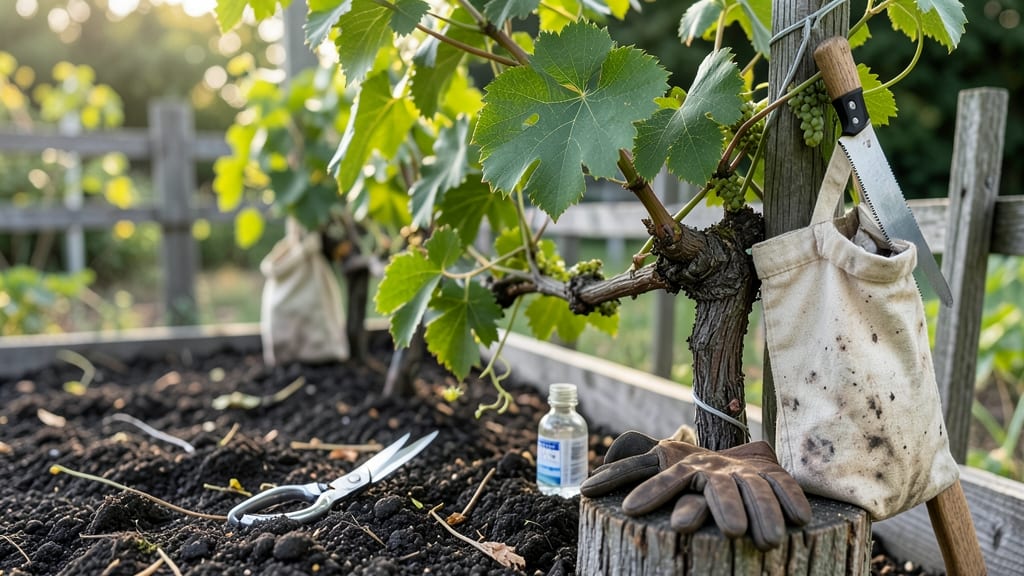
Summer pruning grapes transforms weak vines into powerhouses by focusing on airflow and energy. ✂️ I learned the hard way—skipping summer cuts led to mildew and small clusters. The key is removing only what’s needed: suckers, dead wood, and crowded shoots while keeping the vine’s structure strong.
Timing matters most—prune after harvest when vines recover faster. In hot climates, work early morning or late afternoon to avoid stressing the plant. You’ll need sharp pruners, rubbing alcohol for sanitizing, and a clear goal: open the canopy for sunlight and air circulation.
By mid-summer, you’ll see thicker canes and fewer disease spots. The vines redirect energy toward next year’s fruit instead of fighting shade or rot. Just avoid over-pruning—leave at least 80% of last year’s growth to maintain strength.
This method works for table grapes, wine grapes, and muscadines alike. The payoff? Bigger clusters, healthier vines, and fewer headaches next harvest season. Let’s get those canes in shape!
📚 In This Guide
- What you need
- Instructions
- Tips and common mistakes
- Wrapping up and next steps
What you need
- ● Pruning shears – Sharp, bypass-style shears (4–6 inches) for clean cuts. Pro tip: 💡 Sanitize with rubbing alcohol or bleach to prevent disease spread!
- ● Loppers – For thicker canes (1.5–2 inches). Choose bypass loppers for precision.
- ○ Pruning saw – Only if dealing with very thick wood (optional for most home gardens).
- ● Gloves – Heavy-duty, cut-resistant gloves to protect your hands from thorns and sap.
- ● Disposable pruning bags – To collect and dispose of cuttings (1–2 bags per session).
- ● Hand pruners with a sharpening stone – Keeps blades razor-sharp mid-session.
- ● Hose or spray bottle – To clean tools between cuts and rinse off sap.
- ● Marking twine or flags – For labeling canes if you’re training a new vine system.
- ● Sunscreen & water – Summer pruning = hot work! Stay hydrated and shaded.
Step-by-step instructions for pruning grapes in summer
Summer pruning builds stronger vines for next year's harvest—here's how to do it right when temps are high.
✂️ Step 1: Identify and Remove Weak Growth
Start by examining each cane for thin, spindly shoots—these are energy vampires that drain the vine rather than produce fruit. Look for stems with diameters smaller than a pencil; these won't support clusters. I also cut out any shoots growing directly from the trunk (called "suckers") unless they're part of a planned replacement spur.
Use sharp pruning shears to make clean cuts at a 45-degree angle just above a leaf node or bud. This prevents water from pooling on the cut surface, which can rot the cane. If you're working with mature vines, prioritize removing any shoots that are growing inward—they'll shade fruit and create poor air circulation, inviting disease.
✂️ Step 2: Thin Overcrowded Canes
Grapes thrive when canes have space to breathe. Aim to leave 4-6 strong canes per vine, spaced evenly around the trunk. Remove any canes that are rubbing against each other—the friction creates wounds that become entry points for fungal infections. I like to step back every few cuts to visualize the vine's structure; you want a balanced, open shape that lets sunlight reach the center.
For established vines, focus on keeping the youngest, most vigorous canes. Older canes produce smaller fruit and are more prone to disease. If you're unsure which canes to keep, look for those with thick, dark green bark and multiple buds—these are your future fruit producers. Make your cuts just above a outward-facing bud to encourage new growth in the right direction.
☀️ Step 3: Adjust for Summer Light Exposure
Summer pruning is all about optimizing light penetration to the fruit zone. Thin out any leafy growth that's shading the lower canes—this is especially critical in hot climates where too much shade leads to poor fruit ripening. I typically remove about 30-40% of the leaf canopy while keeping enough foliage to protect the fruit from sunburn.
Pay special attention to the fruit-bearing spurs (short sections of cane with buds). These should receive direct sunlight for at least 6-8 hours daily. If you notice leaves yellowing or fruit staying small and green, you're probably pruning too aggressively. The goal is to maintain photosynthesis while improving air flow—think of it as giving your vine a summer haircut for better circulation.
💧 Step 4: Apply Post-Pruning Care
After pruning, give your vines a deep watering to help them recover from the stress. The roots need moisture to support new growth, especially in hot weather. I water at the base rather than overhead to prevent fungal spores from splashing onto fresh cuts. Follow up with a balanced fertilizer (10-10-10) to replenish nutrients lost during pruning.
Monitor the vines closely for the next 7-10 days. You should see new shoots emerging from the buds you left behind—this is your confirmation that the pruning worked. If you notice any cankers (sunken, dead areas) on the remaining wood, prune those out immediately and apply a copper fungicide to prevent spread. Summer pruning is your chance to shape the vine for next year's harvest while keeping it healthy through the heat.
Tips & tricks for perfect summer grape pruning
Summer pruning isn't just about cutting—it's about setting up your vines for a bountiful harvest next year. Here's what I've learned from years of trial and error (and a few too many over-pruned vines).
Timing is Everything: Early summer is ideal for pruning, but don't wait until the heat peaks. Aim for morning sessions when temperatures are below 85°F—this reduces stress on the vines. I've found that pruning in the late morning allows any sap to flow downward naturally, preventing fungal issues. If you must prune in extreme heat, do it in the evening when temps drop. The 6-8 hours of sunlight requirement for fruit-bearing spurs actually starts with how you shape the vine now.
Tool Prep Makes All the Difference: Your pruning shears should be sharper than your gardening ambitions. Dull blades crush stems instead of making clean cuts, creating larger wounds that invite disease. I sterilize my shears with rubbing alcohol between cuts on different vines to prevent cross-contamination. For larger canes, consider using a pruning saw—it gives you more control and reduces the chance of tearing the bark. And always carry a small spray bottle with water to clean your tools between cuts on different vines.
Visual Cues Over Guesswork: When deciding which canes to keep, trust your eyes more than the calendar. Look for canes with thick, dark green bark and multiple buds—these are your power players. I use the "pencil test" for thickness: if a cane is thinner than a standard #2 pencil, it's not worth keeping. For leaf canopy adjustments, remove every other leaf on crowded branches to maintain that 30-40% reduction while still protecting the fruit. Think of it like thinning a hedge—you want to create airflow, not a solid wall of foliage.
Post-Pruning Vigilance: That 7-10 day monitoring period isn't just busywork—it's your chance to catch problems early. I keep a small notebook by my vines to track which buds sprout first and which canes show signs of stress. If you notice any cankers developing, act immediately with copper fungicide. The first sign of trouble is often yellowing leaves or stunted growth on the remaining canes, so check them daily during your post-pruning watering routine.
Pro Tips for Prune Grapes In Summer
- Summer pruning isn't just about cutting—it's about setting up your vines for a bountiful harvest next year.
- Timing is Everything: Early summer is ideal for pruning, but don't wait until the heat peaks.
- Tool Prep Makes All the Difference: Your pruning shears should be sharper than your gardening ambitions.
Frequently asked questions
Got questions about summer grape pruning? You’re not alone! Here are answers to the most common concerns—so you can prune with confidence and keep those vines thriving.
Can I prune grapes in summer if I missed spring?
Summer pruning (especially in hot climates) is a smart move to reduce heat stress and boost fruit quality. Focus on leaf removal around clusters, thinning excess shoots, and trimming overgrowth. Just avoid heavy pruning—stick to light shaping to prevent stress. Timing matters: early summer (June) is ideal for most regions.
How much should I cut back during summer pruning?
Think light and strategic—never remove more than 20-30% of the vine’s foliage. Prune to:
- Open airflow (remove crowded shoots near clusters).
- Shape the vine (trim errant growth to maintain balance).
- Target weak canes (cut back thin, leggy shoots to redirect energy).
Will summer pruning delay next year’s harvest?
Not if done right! Summer pruning won’t stunt growth—it actually enhances next year’s yield by reducing competition for resources. Focus on fruit-bearing canes (last year’s growth) and avoid pruning primary trunks. Over-pruning in summer can stress vines, but light trims improve long-term health and fruit quality.
What’s the best tool for summer grape pruning?
Skip the hedge clippers—grab these instead:
- Bypass pruners (for clean cuts on small shoots).
- Loppers (for thicker canes, up to 1.5 inches).
- Sanitizing solution (1 part bleach to 9 parts water) to dip tools between cuts and prevent bacterial infections.
My grapes have pests after pruning—what now?
Summer pruning can invite pests like Japanese beetles or spider mites, but don’t panic! Act fast with:
- Neem oil (spray foliage to deter soft-bodied insects).
- Row covers (lightweight fabric to block flying pests).
- Beneficial insects (release ladybugs or lacewings for natural control).
Wrapping up and next steps
Pruning grapes in summer isn’t just about shaping your vines—it’s about boosting health, improving yields, and setting your vineyard up for success. By following the right techniques, like thinning clusters, removing dead wood, and balancing growth, you’ll encourage stronger canes and sweeter fruit. You’ve got this! 🌱✨
Now that you’re armed with the know-how, grab your pruners and get to work. Start small, observe your vines, and adjust as you go—your future harvests will thank you! Ready to see those grapes thrive? Check out our guide on summer care tips to keep your vineyard in top shape.