
How To
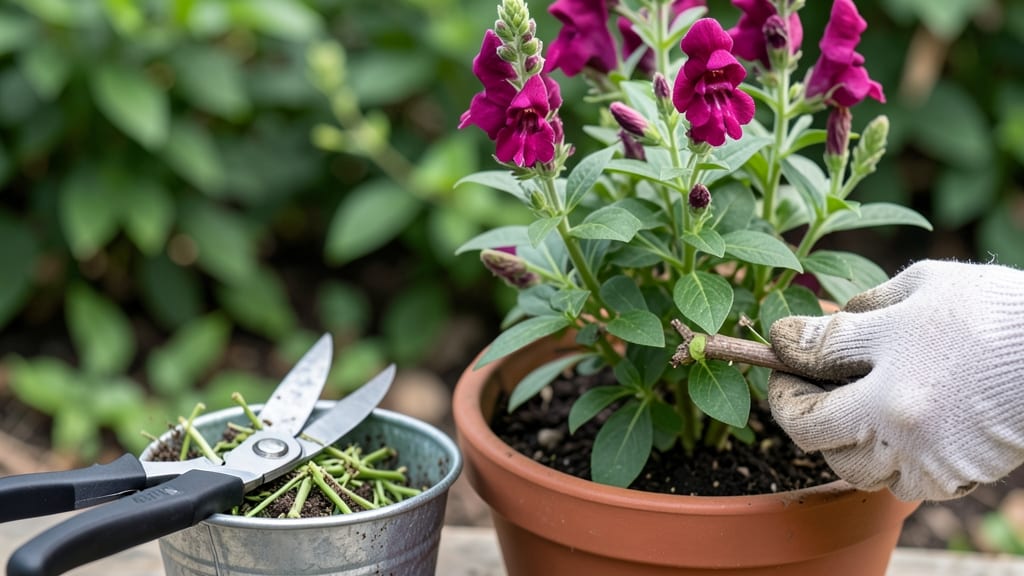
Pruning snapdragons isn’t just about keeping them tidy—it’s the secret to nonstop blooms from spring until frost. 🌸 I’ve learned that skipping this step means fewer flowers and leggy stems, but with the right timing and technique, you’ll get bushier plants that bloom for months.
The key difference? Early bloomers need attention in late spring, while late varieties respond to summer pruning.
Start with clean, sharp pruners and focus on removing spent blooms just above the next set of leaves—this trick tells the plant to produce more flowers instead of seed pods.
For a fuller look, cut back the tallest stems by a third in early summer, and repeat every 4-6 weeks. Avoid over-pruning, though; snapdragons reward patience with vibrant, compact growth that stays healthy all season.
📚 In This Guide
- What you need
- Instructions
- Tips and common mistakes
- Wrapping up and next steps
What you need
- ● Clean, sharp pruning shears – Bypass pruners (4-6 inch blades) for precise cuts. Sterilize with rubbing alcohol before and after use to prevent disease.
- ● Garden gloves – Nitrile or leather to protect hands from thorns and dirt.
- ● Disinfectant spray or rubbing alcohol (70% isopropyl) – For sterilizing tools between cuts.
- ○ Garden twine or plant ties (optional but helpful) – To secure stems if heavy blooms cause them to flop.
- ● Compost bin or bucket – For collecting pruned material (great for enriching soil!).
- ● Watering can or hose – To hydrate plants before and after pruning to reduce stress.
- ● Hand lens or magnifying glass – For spotting pests or diseases early.
- ● Plant marker or labels – If you’re experimenting with different pruning techniques.
- ● Pruning saw (for thick stems) – Only needed if your snapdragons have unusually woody growth.
- ● Fungicide (copper-based or neem oil) – As a precaution if your plants show signs of mildew.
Step-by-step guide to pruning snapdragons for prolonged blooms
Here’s my foolproof method for keeping snapdragons flowering all season long—no deadheading stress required.
✂️ Step 1: Identify the Right Time to Prune
Snapdragons bloom best when pruned at the right moment. I always start when spent flowers form a long, dry spike—about 1-2 weeks after the bloom fades. This tells you the plant has already directed energy to seed production, so it’s ready to redirect growth back into new buds.
Don’t wait until flowers turn brown and crispy—those dried-up blooms steal energy from the plant. Instead, watch for the first sign of wilting on individual flowers, then act within 3-4 days. This timing keeps your snapdragons producing fresh blooms for 4-6 weeks longer than unpruned plants.
✂️ Step 2: Deadhead Correctly for Maximum Blooms
Use clean, sharp pruners (or your fingers) to pinch off the entire spent flower spike just above the first set of healthy leaves below it. This encourages the plant to branch out and produce 2-3 new side shoots from that node, each capable of forming its own flower.
I avoid cutting into the main stem—snapdragons are semi-woody perennials and heal poorly from deep cuts. Instead, make a clean snip at a 45-degree angle about ½ inch above the leaf. This prevents water from pooling on the stem and causing rot.
🌿 Step 3: Encourage Bushier Growth with Strategic Cuts
After the first round of deadheading, snapdragons often grow leggy. To fix this, I prune the tallest stems back by ⅓ of their height when they reach 18-24 inches tall. This forces the plant to put energy into lateral branches rather than just vertical growth.
Do this once mid-season (around 6-8 weeks after planting). You’ll see new side shoots emerge within 7-10 days. These branches produce more flowers and create a fuller, bushier plant that lasts longer in the garden.
⏰ Step 4: Late-Season Pruning for Next Year’s Blooms
When frost threatens or flowers slow in late summer/early fall, give snapdragons a final light pruning. Cut back all stems by half, but leave 2-3 inches of growth above the soil. This prevents winter dieback and encourages basal growth for next year.
Remove any yellowing or diseased leaves at the same time. Mulch around the base with 2-3 inches of organic matter (like shredded leaves) to protect roots. In mild climates, snapdragons may even rebloom lightly in spring from these pruned stems.
☀️ Step 5: Post-Pruning Care for Strong Recovery
After pruning, snapdragons need extra water to recover—give them 1 inch of water per week, especially if temperatures stay above 75°F. Water at the base (not overhead) to prevent fungal issues on fresh cuts.
Hold off on fertilizing for 10-14 days after pruning. The plant is already stressed from cutting, and fertilizer can burn tender new growth. Instead, add a balanced 10-10-10 fertilizer when you see new leaves emerging—this signals the plant is ready to grow again.
Tips & tricks for pruning snapdragons like a pro
These simple tricks will help you get the most out of your snapdragon pruning—without the guesswork.
Timing is Everything: I can't stress this enough—watch for those first wilting signs on individual flowers, not the dried-up spikes. That 3-4 day window after wilting is when your snapdragons are most responsive to pruning. I've seen plants that got pruned too late (after full browning) produce 50% fewer new blooms compared to ones pruned at the right moment.
Tool Matters: Your fingers work great for small jobs, but for larger plants, invest in a pair of clean, sharp pruners. I use bypass pruners because they make clean cuts that heal faster. Disinfect your tools with rubbing alcohol between plants to prevent spreading disease. That 45-degree angle cut you make above the leaf isn't just for looks—it helps water run off and prevents rot.
Seasonal Strategy: The mid-season pruning (around 6-8 weeks after planting) is where you'll see the biggest payoff. When you cut those tallest stems back by ⅓, you're essentially telling the plant, "Hey, let's make more flowers, not more height!" I've had snapdragons that grew 3 feet tall without pruning, but after that strategic cut, they produced twice as many blooms in half the height.
Winter Prep: That late-season pruning isn't just about cleaning up—it's your insurance policy for next year. When you cut back all stems by half but leave those 2-3 inches, you're creating a protected growing point that can sprout new growth in spring. I've had snapdragons come back 2-3 weeks earlier after doing this winter prep compared to plants I didn't prune.
Pro Tips for Prune Snapdragons
- These simple tricks will help you get the most out of your snapdragon pruning—without the guesswork.
- Timing is Everything: I can't stress this enough—watch for those first wilting signs on individual flowers, not the dried-up spikes.
- Tool Matters: Your fingers work great for small jobs, but for larger plants, invest in a pair of clean, sharp pruners.
Frequently asked questions
Got questions about pruning snapdragons? You’re not alone! Here are some of the most common concerns—plus quick, expert-backed answers to keep your plants thriving.
When is the best time to prune snapdragons?
Prune snapdragons after they bloom (late spring to early summer for most varieties) or in early fall to encourage new growth. Avoid pruning during active flowering unless deadheading—this can reduce bloom time. For perennial types, a light trim in late summer helps prep for winter.
How much should I cut back snapdragons?
For deadheading, snip just above the first set of leaves below the spent bloom. For hard pruning (late summer/fall), cut back by ⅓ to ½ of the plant’s height. Never remove more than ⅓ at once—this stresses the plant and can stunt regrowth.
Can I prune snapdragons in winter?
Winter pruning depends on your climate. In mild zones (USDA 7+), a light trim in late fall keeps plants tidy. In cold regions (USDA 5-6), wait until spring—pruning too early can expose tender stems to frost damage. Always remove dead or diseased foliage year-round.
What if my snapdragons stop blooming after pruning?
If blooms taper off post-pruning, you may’ve cut too aggressively or pruned at the wrong time. Focus on deadheading spent flowers (not full pruning) to redirect energy to new buds. Ensure they get 6+ hours of sun and well-draining soil—stress from poor conditions can also halt flowering.
Are there snapdragon varieties that don’t need pruning?
Most snapdragons benefit from some pruning, but annual varieties (like ‘Black Prince’ or ‘Rocket’) are low-maintenance—just deadhead to extend bloom time. Perennials (e.g., Antirrhinum majus ‘Liberty Hybrid’) tolerate light pruning but thrive with regular care. Skip pruning only if your plants are small or in a high-traffic area where trimming isn’t practical.
Wrapping up and next steps
Pruning snapdragons is your secret weapon for vibrant, long-lasting blooms—and now you’ve got the know-how! 🌸 By mastering the art of deadheading, shaping, and seasonal trims, you’ll encourage bushier growth and a stunning display all year.
Remember, consistency is key, so grab those shears and give your plants the TLC they deserve.
Ready to see the results? Start today—your snapdragons will thank you with a showstopping garden! For extra inspiration, check out our guide on companion plants to keep your flowerbed thriving.