
Pruning
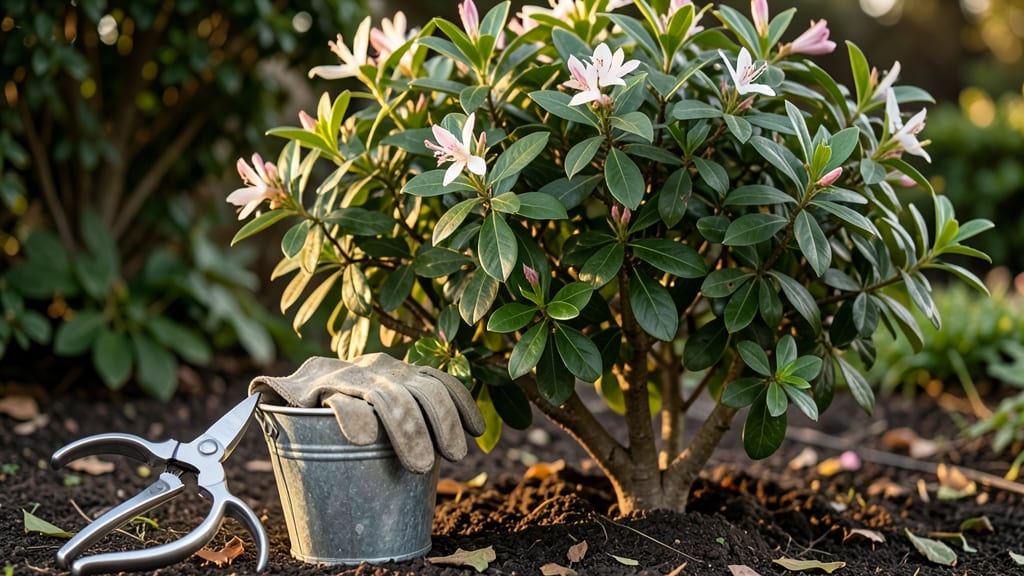
Pruning Kaleidoscope abelia transforms it from a scraggly shrub into a showstopper with vibrant foliage and nonstop blooms. 🌿 I’ve pruned mine for years, and the difference between a well-shaped plant and one left to its own devices is night and day—think lush, compact growth instead of leggy branches.
The secret isn’t just timing (though that matters) but strategic cuts that encourage bushiness. You’ll need sharp pruners, gloves, and a clear plan: cut back one-third of the oldest stems in early spring, then lightly shape throughout the year. Overgrowth?
No problem—this abelia forgives even aggressive pruning. After pruning, you’ll see new red shoots within weeks, with blooms returning stronger than ever. The foliage stays jewel-toned all season, and the plant resists disease better when properly maintained.
It’s the kind of shrub that makes neighbors ask, “What’s that?”—then wish they had one. Works for both formal hedges and loose, natural shapes. Here’s how to do it right, step by step.
📚 In This Guide
- What you need
- Instructions
- Tips and common mistakes
- Wrapping up and next steps
What you need
- ● Pruning shears: Sharp, bypass-style shears (for clean cuts) – 1 pair (or 2 pairs if working with large shrubs).
- ○ Loppers: For thicker branches (½"–1½" diameter) – 1 pair (optional if shears suffice).
- ○ Hand pruners: For delicate trimming (smaller stems) – 1 pair (optional but handy).
- ● Disinfectant: 70% isopropyl alcohol or horticultural spray (to sterilize tools between cuts).
- ● Gloves: Heavy-duty, cut-resistant gloves (protects hands from thorns and sap).
- ○ Pruning sealant: Optional but recommended for large cuts (e.g., Tanglefoot Tree Wound Pruning Sealer).
- ● Trash bags: Heavy-duty, 2–3 bags (for debris disposal).
- ● Ladder or stool: If shrub exceeds 6 feet in height.
- ● Marking spray: White or pink (to highlight cuts before pruning).
- ● Garden twine: For temporary support if reshaping heavily.
- ● Safety glasses: Protects eyes from debris.
- ● Notebook & pen: To track pruning dates and notes on growth patterns.
Instructions for pruning Kaleidoscope Abelia year-round
Here’s the precise, seasonal approach I use to keep my Kaleidoscope Abelia lush and blooming—no guesswork involved.
✂️ Step 1: Late Winter Cleanup (Before New Growth)
Start your pruning in late winter, just as buds begin to swell but before any new shoots emerge. This is the only time you’ll remove old wood—Kaleidoscope Abelia blooms on last year’s growth, so cutting back now encourages fresh, vigorous stems for summer.
Use clean, sharp pruners to remove any dead, damaged, or crossing branches at the base. Look for stems that are brown inside when cut—these won’t recover. I also trim back any overly leggy branches by about one-third to open up the center of the plant. This prevents congestion and improves airflow, which is critical for preventing fungal issues.
☀️ Step 2: Light Pruning After Spring Blooms
Once the spring blooms have faded—typically in late May or early June—give your Abelia a second round of shaping. The goal here is to maintain its natural form while encouraging a second flush of flowers later in the season. Focus on cutting back any branches that have finished blooming by one-third to one-half their length.
I like to step back and visually assess the plant from all angles. If one side looks sparse, I’ll selectively trim the opposite side to balance it out. Avoid heavy pruning now—you want to preserve the plant’s energy for the summer blooms. A light touch ensures the stems have time to harden before the heat of summer arrives.
✂️ Step 3: Summer Maintenance (Post-Bloom Renewal)
After the summer blooms have finished—usually around late July or early August—perform a final pruning to promote fresh growth for next year. This is the time to shape the plant more aggressively if needed, but always cut just above a leaf node or bud. Never leave stubs; this invites disease and weak growth.
I also remove any suckers or water sprouts that appear at the base or along the stems. These compete with the main branches for nutrients and weaken the plant. Use your fingers or small pruners to pinch them off early—it’s easier than dealing with them later. This step keeps your Abelia compact and encourages stronger blooms next season.
🌿 Step 4: Fall Preparation (Minimal Touch)
In fall, pruning is minimal—just enough to tidy up. Remove any dead or diseased branches immediately, as these can harbor pests over winter. Avoid heavy pruning now, as new growth won’t have time to harden before cold weather sets in. Instead, focus on cleaning up the area around the plant to reduce debris, which can harbor pests.
I also like to give the plant a light trim to remove any spent flowers or leggy growth that might look untidy. This keeps it looking neat without stressing the plant. Kaleidoscope Abelia is hardy, but a little care in fall ensures it’s ready to burst into color again next spring.
Tips & tricks for perfect Kaleidoscope Abelia pruning
Here's what nobody tells you about keeping your Abelia thriving through every season—these are the details that make all the difference.
Timing is Everything: The late winter cleanup in Step 1 is your only chance to remove old wood, so don't miss it! I've seen gardeners skip this step and wonder why their plant never recovers its vigor. Watch for those swollen buds—when they're just beginning to plump up but before any green shows, that's your window. Missing this timing means you'll be cutting back new growth that could have bloomed.
Visual Assessment Pays Off: In Step 2, when you're deciding which branches to trim, step back and look at your plant from all four sides. What looks sparse from one angle might be perfectly balanced from another. I've caught myself over-trimming one side only to realize I'd created an uneven silhouette. The goal is harmony, not just quantity—focus on maintaining that natural, graceful shape.
Cutting Technique Matters: Always make clean cuts just above a leaf node or bud in Step 3. I used to leave stubs, thinking it didn't matter, but those little nubs invite disease and weak growth. Use sharp pruners and cut at a 45-degree angle if you're removing larger branches—this helps water run off rather than pool at the cut. For suckers, pinch them off at the base rather than cutting through them, which can damage the main stem.
Seasonal Strategy: Fall pruning is about minimal maintenance, not major reshaping. I've learned the hard way that heavy fall cuts stress the plant when it's already preparing for dormancy. Instead, focus on tidying up—remove only what's clearly dead or diseased. This light approach keeps your Abelia looking its best while ensuring it's ready to rebound when spring arrives.
Pro Tips for Kaleidoscope Abelia Pruning
- Here's what nobody tells you about keeping your Abelia thriving through every season—these are the details that make all the difference.
- Timing is Everything: The late winter cleanup in Step 1 is your only chance to remove old wood, so don't miss it!
- Visual Assessment Pays Off: In Step 2, when you're deciding which branches to trim, step back and look at your plant from all four sides.
Frequently asked questions
When is the best time to prune Kaleidoscope Abelia?
The ideal time is late winter or early spring (before new growth starts), but you can also do light shaping in summer after blooming. Avoid heavy pruning in fall—it stimulates tender growth that may not survive winter. For a Kaleidoscope, timing ensures vibrant blooms and compact shape!
How much can I trim back my Kaleidoscope Abelia?
You can safely prune up to one-third of the plant’s height in late winter. For summer shaping, trim just enough to remove dead, crossing, or overgrown branches. Avoid over-pruning—this shrub thrives on moderate cuts to maintain its lush, colorful foliage.
What if I prune at the wrong time?
Pruning too late in the season (fall) can stimulate tender growth that may frost-damage. If you accidentally prune in summer, focus on deadheading spent blooms and light shaping. The plant is resilient—just adjust your schedule next year!
Can I prune Kaleidoscope Abelia for more flowers?
Yes! Prune right after blooming to encourage a second flush of flowers. Cut back 10–15% of the oldest stems to promote new growth. Avoid heavy cuts—this shrub blooms on current-year wood, so balance is key!
Are there alternatives to pruning for shaping?
If pruning feels overwhelming, try selective pinching in spring to guide growth. You can also use plant ties or stakes to train branches. For a Kaleidoscope, light trimming + strategic placement works wonders—no drastic cuts needed!
What if my Kaleidoscope Abelia looks leggy after pruning?
Leggy growth often means too much shade or over-pruning. Next year, prune less aggressively and ensure it gets 6+ hours of sunlight. Fertilize lightly in spring with balanced 10-10-10 to encourage bushier growth.
Wrapping up and next steps
Mastering Kaleidoscope Abelia pruning unlocks a year-round spectacle of vibrant blooms and lush foliage—no green thumb required! 🌸 With the right timing, tools, and techniques, you’ll keep your shrub thriving while shaping it into a stunning focal point.
Remember: confidence comes with practice, so don’t hesitate to get your hands dirty and experiment.
Ready to elevate your garden game? Start small—prune one section at a time, observe how your Abelia responds, and refine your approach.
Before you know it, your Kaleidoscope Abelia will be the talk of the neighborhood! 🌿 Next, check out our seasonal pruning calendar to stay ahead of the game.