
Pruning
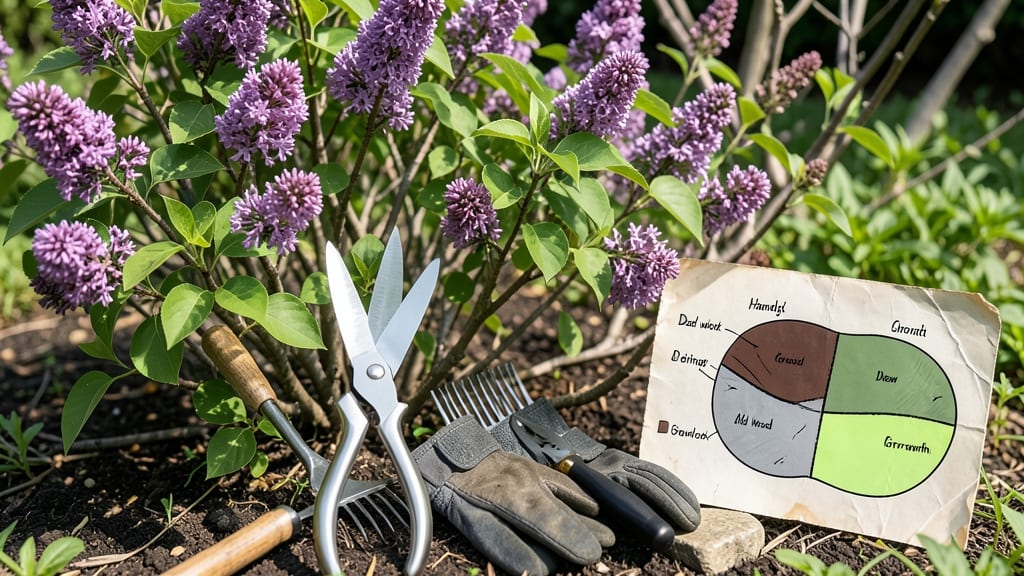
A lilac pruning guide transforms them from straggly bushes into bursting fragrant clouds of color—no more sparse blooms or tangled canes. 🌸 I’ve turned my once-neglected lilacs into the showstopper of the yard by following a simple timing rule: cut immediately after flowers fade, never in fall or winter.
The secret lies in understanding how lilacs bloom on last year’s growth, and how aggressive pruning actually encourages more flowers next spring.
You’ll need just three tools: sharp bypass pruners, loppers for thicker stems, and a pair of gloves (trust me, lilac thorns are no joke). The goal is to remove one-third of the oldest wood each year—this keeps the bush compact and forces new growth where flowers will appear.
Skip the shears and hedge trimmers; clean cuts heal faster and prevent disease. My first attempt with hedge trimmers left ragged edges that took years to recover.
After pruning, your lilacs will reward you with thicker stems and more buds—next year’s blooms start forming within weeks. The key is to cut just above a bud that faces outward, creating an open center that lets sunlight and air circulate.
This isn’t just about looks; proper pruning prevents powdery mildew and keeps the bush healthy for decades. I’ve seen neglected lilacs recover completely in just two seasons with this method.
Works for all lilac varieties, from classic French hybrids to dwarf types. Just adjust the timing slightly for late-blooming types—wait until after all flowers have dropped. The payoff? Lilacs that bloom earlier, harder, and longer than you’ve ever seen. Here’s exactly how to do it without a single mistake.
📚 In This Guide
- What you need
- Instructions
- Tips and common mistakes
- Wrapping up and next steps
What you need
- ● Pruning shears: Bypass pruners (sharp, 6-8 inch blades) for clean cuts on small stems.
- ● Loppers: Long-handled (20-24 inches) for thicker branches (up to 2 inches in diameter).
- ○ Pruning saw: Curved-tooth, 8-10 inch blade for stubborn, woody stems (optional but helpful for mature lilacs).
- ● Gloves: Heavy-duty, cut-resistant to protect hands from thorns and rough bark.
- ● Disinfectant (70% isopropyl alcohol or bleach solution): 1 part bleach to 9 parts water to sterilize tools between cuts and prevent disease spread.
- ● Bucket or bag: For collecting pruned branches (5-gallon bucket or sturdy trash bag).
- ○ Pruning sealant: Tree wound dressing (optional; only use if large cuts are made to prevent disease).
- ● Extension pole: 10-12 feet for reaching high branches safely.
- ● Marking twine or flags: To tag branches for removal (helpful for large shrubs).
- ● Safety glasses: To shield eyes from debris.
- ● Check the weather: Choose a dry, calm day (avoid pruning after rain or when frost is expected).
- ● Review your lilac’s growth habit: Identify old and new wood (old wood blooms on last year’s growth; new wood may not flower until next year).
- ● Have a clear plan: Sketch or note which branches to prune based on your lilac’s shape and health.
Step-by-Step lilac pruning guide for healthy blooms
Here's the method I use to keep lilacs flowering abundantly year after year—no guesswork involved.
✂️ Step 1: Time Your Pruning Perfectly
Prune lilacs immediately after they finish blooming but before new buds form. This usually falls between late May and early June in most climates. If you cut too early, you sacrifice next year's flowers. If you wait too long, the plant directs energy toward new growth instead of next season's blooms.
Look for spent flowers that have turned brown and dried completely. This is your cue—the plant has finished flowering for the year. I always mark my calendar after the last lilac bloom fades to remember when to prune.
✂️ Step 2: Remove Dead or Weak Canes First
Start by cutting out any dead, diseased, or crossing branches at the base. These are easy to spot—they'll be brown, brittle, or growing inward toward the center of the plant. Dead canes snap when bent, while healthy ones bend slightly. Cut at a 45-degree angle about ¼ inch above a bud facing outward.
Real talk: Don't skip this step even if the branches look small. Removing them now prevents future crowding and improves airflow, which keeps diseases like powdery mildew at bay. I like to make these cuts first so I can focus on shaping later without distractions.
✂️ Step 3: Thin Out Overcrowded Branches
Next, thin out one-third of the oldest canes at ground level. These are the thickest, woodiest stems that no longer produce strong blooms. Cut them completely away—this rejuvenates the plant by encouraging younger, more vigorous growth. You'll see new shoots emerge from the base next spring.
Leave the healthiest, most vigorous canes—these are usually the younger stems with smooth bark and good leaf color. Aim to keep 3-5 strong canes per plant. If you have more, thin them evenly around the plant's center to maintain an open, airy shape.
✂️ Step 4: Shape the Remaining Canes
For the canes you're keeping, cut back the current year's growth by one-third to encourage bushier growth and more flowers. Make your cuts just above a bud that faces outward—this ensures new growth will fill in the plant's center. Avoid cutting into old wood (the darker, thicker parts of the cane) as this removes next year's flower buds.
Here's the thing—your cuts should look like you're trimming a topiary, not hacking at random. Step back occasionally to check your work. You want a rounded, natural shape, not a flat-topped bush. I use sharp bypass pruners for clean cuts that don't tear the bark.
🌿 Step 5: Clean Up and Monitor Recovery
After pruning, rake up all debris and dispose of it in the trash—not the compost—since diseased material can spread. Water the plant deeply to help it recover from the stress of pruning. Lilacs are tough, but they'll appreciate the moisture as they prepare for next year's growth.
Watch for new growth emerging from the base within 4-6 weeks. This is your sign that the pruning worked. If you see no new shoots by early summer, you may have cut back too aggressively. Don't panic—lilacs are forgiving, but next year's blooms might be lighter.
Tips & tricks for perfect lilac pruning
Took me years to master these tricks—here's how to avoid common mistakes and get the best results.
Timing is Everything: The late May to early June window is non-negotiable for most climates. I've learned the hard way that cutting too early means fewer blooms next year, while waiting too long shifts energy to new growth instead of flowers. Set a reminder right after your lilacs finish blooming—mark your calendar when the last flower turns completely brown and crispy.
The Technique That Changed Everything: When thinning in Step 3, I now use a permanent marker to circle the canes I'm keeping before making any cuts. This prevents accidental removal of healthy stems. Also, always cut at a 45-degree angle about ¼ inch above an outward-facing bud—this creates a natural water runoff and prevents disease entry points.
Rescue Strategy for Mistakes: If you accidentally cut into old wood (the darker, thicker parts of the cane) in Step 4, don't panic. Lilacs are resilient! Just make sure your remaining cuts still follow the one-third rule for current year's growth. The plant will still produce flowers, though you might see slightly fewer blooms next season.
Monitoring Recovery: After pruning, I check for new shoots every 7-10 days during the 4-6 week recovery period. If you don't see any growth by early summer, you may have been too aggressive. In that case, focus on giving the plant extra care—deep watering once a week and avoiding any further pruning until next season.
Pro Tips for Lilac Pruning Guide
- Took me years to master these tricks—here's how to avoid common mistakes and get the best results.
- Timing is Everything: The late May to early June window is non-negotiable for most climates.
- The Technique That Changed Everything: When thinning in Step 3, I now use a permanent marker to circle the canes I'm keeping before making any cuts.
Frequently asked questions
Got questions about keeping your lilacs healthy and blooming beautifully? Here are some of the most common concerns—and their answers—to help you prune like a pro!
When is the best time to prune lilacs?
Prune lilacs right after they finish blooming in late spring or early summer. Avoid pruning in fall or winter, as it removes next year’s flower buds. If you missed the window, wait until early spring—but expect fewer blooms that season.
Should I cut back old wood or just trim new growth?
Focus on removing last year’s flowered stems (they’re the ones that bloomed) by cutting them back to a pair of healthy buds or branch. Never cut into old, woody stems—they won’t regrow. New growth will emerge from the base or younger branches.
What if my lilac isn’t blooming after pruning?
Lilacs need time to recover! If it’s been pruned correctly but still skips blooms, check for:
- Age: Older lilacs (10+ years) may slow down.
- Sunlight: Ensure it gets 6+ hours of sun daily.
- Soil: Test for poor drainage or nutrient deficiencies.
Can I prune lilacs in winter?
Nope! Pruning in winter removes next year’s flower buds, which form on last year’s growth in late summer/fall. Winter pruning = no spring blooms. Instead, wait until after flowering or do light shaping in early spring (before buds swell).
How do I revive an overgrown or leggy lilac?
For severely overgrown lilacs, you can rejuvenate prune in stages:
- Cut back 1/3 of the oldest canes to the ground each year for 3 years.
- Focus on removing dead, crossing, or weak branches first.
- Fertilize with balanced 10-10-10 in early spring to encourage new growth.
Wrapping up and next steps
Pruning lilacs doesn’t have to be intimidating—it’s all about timing, technique, and a little patience. 🌸 By following this guide, you’ll encourage healthier blooms, stronger growth, and those fragrant spring displays you love.
Ready to roll up your sleeves? Grab your tools and head to your garden—your lilacs will thank you!
🌱 Next Steps:
- Mark your calendar for late spring or early summer to prune next year.
- Share your progress with fellow gardeners—inspiration spreads!
- Experiment with shaping or propagating cuttings for even more lilacs!