
Pruning
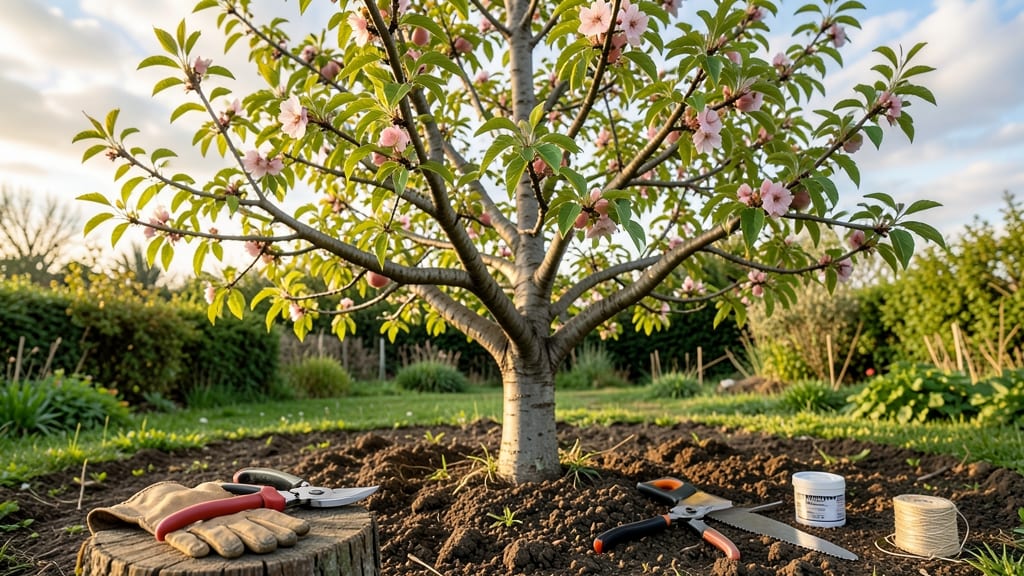
Pruning your peach tree in Texas isn’t just about shaping—it’s about survival in our brutal summers. 🌞 I’ve learned the hard way that skipping pruning means heat-stressed branches, fewer fruits, and weaker trees that struggle through our long, dry seasons.
The right cuts now mean a stronger, more productive tree that thrives even when temperatures hit 100°F.
You’ll need sharp bypass pruners, gloves, and a ladder—but the real secret is timing. Prune in late winter or early spring (February-March) before buds swell, and avoid cutting during extreme heat.
Texas peaches like Elberta or Redhaven respond best to open-center pruning, where you remove dead wood, crossing branches, and any growth that crowds the center. This keeps airflow moving and reduces disease risk.
After pruning, give your tree a deep watering and a balanced fertilizer to recover. Seal larger cuts with pruning sealant to prevent borers—those pests love stressed Texas trees. Within weeks, you’ll see fresh green growth, and by summer, your tree will be packed with fruit instead of struggling branches.
The key is consistency: prune every year, and your peach tree will reward you for decades.
For extra drought resistance, mulch around the base with 2-3 inches of wood chips to lock in moisture. And if you’re in West Texas, choose varieties like Bonanza that handle heat better. This isn’t just pruning—it’s a survival strategy for Texas peach trees. Let’s get those branches in shape!
📚 In This Guide
- What you need
- Instructions
- Tips and common mistakes
- Wrapping up and next steps
What you need
- ● Pruning shears: Bypass pruners (sharp, clean, and disinfected with rubbing alcohol) for small branches.
- ● Loppers: 1 pair (8–10" handles) for thicker branches (½"–1.5" diameter).
- ● Pruning saw: 1 handheld saw (for branches >1.5" diameter; avoid rusted blades!).
- ● Gloves: Heavy-duty, cut-resistant gloves (e.g., Mechanix or leather) to protect from thorns.
- ● Ladder: Extendable (16–20 ft) for tall trees—always secure it to the trunk!
- ● Disinfectant: 70% isopropyl alcohol or a commercial pruning sealant (e.g., Tanglefoot Pruning Seal).
- ● Heavy-duty trash bags: 2–3 (for debris; Texas heat means you’ll generate a lot!).
- ● Rake: 1 sturdy garden rake (for clearing fallen leaves/debris post-prune).
- ● Pole pruner: For high branches (saves ladder time!).
- ● Tree wound dressing: Controversial but some swear by it (e.g., Ortho Fruit Tree Sealant).
- ● Sunscreen & hat: Texas sun is no joke—protect yourself!
- ● Water spray bottle: To dampen saw blades and reduce dust (especially in dry climates).
- ● Right timing: Prune dormant trees in late winter (Feb) or early spring (March) before buds swell. Avoid pruning during drought stress (Texas summers!).
- ● Weather check: Choose a cool, cloudy day (60–70°F) to reduce stress on the tree.
- ● Tree health assessment: Inspect for disease (e.g., brown rot) or pests—prune only healthy branches.
Step-by-Step guide to pruning peach trees in Texas
Here’s how I prune peach trees to thrive in Texas’s brutal heat and drought—keeping them productive and stress-free.
✂️ Step 1: Prune in Late Winter Before Bud Break
Wait until mid-February to early March, just as the last frost passes but before buds swell. This timing prevents disease spread and ensures the tree directs energy into new growth, not wound repair. In Texas, where winters can be unpredictable, I check the forecast for a stretch of 50°F+ nights—that’s the sweet spot for clean cuts.
Start by removing dead, diseased, or crossing branches first. These are easy to spot—they’re either brown and brittle or grow inward, rubbing against others. Use clean, sharp pruners to make cuts just outside the branch collar (the swollen area where the branch meets the trunk). Avoid leaving stubs—this invites rot and weakens the tree.
☀️ Step 2: Thin the Canopy for Sunlight and Airflow
Peach trees need full sun to ripen fruit, so I focus on opening up the canopy. Remove suckers (vigorous shoots at the base) and water sprouts (vertical shoots from the trunk or branches). These steal energy from fruit production. Aim to thin branches so light penetrates to the center—you should see sunlight hitting the ground beneath the tree.
For larger branches, I use the three-cut method: First, make an undercut on the underside of the branch about 6 inches from the trunk. Then, cut down from the top side, stopping 1-2 inches outside the branch collar. Finally, remove the branch by twisting it gently. This prevents bark from tearing and reduces stress on the tree.
🌱 Step 3: Shape for Drought Resistance and Fruit Production
Peach trees in Texas need a balanced, open-center shape to handle heat and drought. I prune to encourage scaffold branches (the main structural limbs) to grow at 45-degree angles from the trunk. These branches should be spaced 8-12 inches apart to avoid overcrowding.
Focus on fruit-bearing wood—last year’s growth produces the best peaches. Cut back overly vigorous shoots to 12-18 inches to redirect energy into fruit production. Avoid heavy pruning in summer, as new growth won’t harden off before winter’s chill. Instead, do a light cleanup in late summer to remove any dead or diseased wood.
⏰ Step 4: Post-Pruning Care for Texas Conditions
After pruning, water deeply to help the tree recover. In Texas’s dry climate, I apply 2-3 inches of mulch (like wood chips) around the base, keeping it 3-4 inches away from the trunk to prevent rot. This retains moisture and regulates soil temperature—critical for drought-prone areas.
Monitor the tree for peach tree borer or bacterial leaf spot, common in Texas. If you see sawdust-like frass (borer sign) or dark spots on leaves, treat with neem oil or copper fungicide as needed. Pruning wounds should callus over within 2-4 weeks—if they don’t, the tree may be stressed or diseased.
Tips & tricks for pruning peach trees in Texas
Texas’s extreme climate demands smart pruning—here’s how to avoid common mistakes and keep your peach tree thriving year after year.
Timing is Everything: The mid-February to early March window is non-negotiable for Texas peach trees. I’ve learned this the hard way—pruning too early risks frost damage, while waiting too late can spread diseases like bacterial leaf spot. Check your local frost dates and aim for 50°F+ nights consistently for at least 3-4 nights before pruning. This ensures clean cuts that heal properly without stressing the tree during cold snaps.
The Three-Cut Method Matters: When removing larger branches in Step 2, I can’t stress enough how important the three-cut technique is. The undercut prevents bark from tearing when you make the final cut, which is especially critical in Texas’s dry conditions where wounds take longer to heal. Pro tip: Use a sharp pruning saw for branches thicker than 2 inches—dull tools crush the wood, inviting disease. Always make your final cut just outside the branch collar, never flush with the trunk.
Drought-Proofing Through Pruning: Texas’s heat and drought mean every cut should serve a purpose. Focus on creating an open-center shape with scaffold branches spaced 8-12 inches apart12-18 inches redirects the tree’s energy toward fruit production rather than unnecessary foliage that competes for water.
Post-Pruning Care Prevents Stress: After pruning, don’t just walk away! Water deeply to help the tree recover, then apply 2-3 inches of mulch (wood chips work best) while keeping it 3-4 inches away from the trunk. This mulch blanket is your tree’s shield against Texas’s brutal summer heat—it retains moisture and regulates soil temperature. Monitor pruning wounds for 2-4 weeks; if they don’t callus over, your tree might be stressed or diseased, especially in our humid summers.
Pro Tips for Peach Tree Pruning Texas
- Texas’s extreme climate demands smart pruning—here’s how to avoid common mistakes and keep your peach tree thriving year after year.
- Timing is Everything: The mid-February to early March window is non-negotiable for Texas peach trees.
- The Three-Cut Method Matters: When removing larger branches in Step 2, I can’t stress enough how important the three-cut technique is.
Frequently asked questions
Got questions about pruning your peach tree in Texas? You’re not alone! Here are some of the most common concerns—and straightforward answers—to help you keep your tree thriving in the Lone Star State’s unique climate.
When is the best time to prune a peach tree in Texas?
In Texas, late winter (February–early March) is ideal for major pruning, just before buds swell but before spring growth begins. Avoid pruning during extreme heat or drought—this stresses the tree. For light maintenance (removing dead wood or crossing branches), prune anytime except during fruit-bearing season.
Can I prune my peach tree in summer?
Summer pruning is risky in Texas due to heat and drought. If you must prune, do it early morning to minimize stress. Focus on removing only diseased or damaged branches—avoid heavy cuts. Postpone major pruning until winter to prevent fungal infections or sunburn on exposed wood.
How much should I cut back my peach tree?
For young trees, remove up to 25% of the canopy to encourage strong growth. Mature trees can handle 15–20% of selective pruning. Never remove more than 30% in one session—this weakens the tree. Prioritize open-center shaping to improve airflow and sunlight penetration.
What if my peach tree has brown or dead branches after pruning?
Brown branches post-pruning are normal if they were already dead (peach trees often “bleed” sap). If new cuts turn brown, it may signal bacterial canker or fungal infection. Sterilize tools with rubbing alcohol, avoid pruning during wet weather, and apply a copper fungicide if needed.
Do I need to prune my peach tree every year?
Yes! Annual pruning keeps your tree healthy, productive, and drought-resistant. Focus on removing dead wood, thinning crowded branches, and shaping for airflow. In Texas, where drought and pests are common, light annual pruning is better than heavy, infrequent cuts.
Pro Tip:
Use sharp, clean tools and seal larger cuts (>½ inch) with pruning sealant to prevent disease. Texas’s dry climate means peach trees are prone to sunscald—avoid aggressive thinning that exposes bark to harsh sun.
Wrapping up and next steps
Pruning your peach tree in Texas isn’t just about shaping—it’s about strengthening your tree for drought, disease, and delicious fruit. By mastering the right cuts (like thinning and heading back) and timing (late winter or early spring), you’ll boost airflow, sunlight, and resilience.
Remember: patience and precision pay off with bountiful harvests and a healthier tree year after year!
Ready to roll up your sleeves? Grab your pruners and start planning your next pruning session—your peach tree (and future snacks!) will thank you. Review your tools or brush up on common questions before you begin!